


Much controversy has surrounded the May 18 announcement by the U.S. Environmental Protection Agency (EPA) of proposed rule changes to Biden administration regulations that direct the cleanup of perfluoroalkyl and polyfluoroalkyl substances, or PFAS, in Americans’ drinking water.
Health & Human Services Secretary, Robert F. Kennedy, Jr., said he strongly supports the EPA’s new tack. “I’ve read a couple of articles in the corporate media that suggest that EPA is trying to roll back PFAS regulations. It’s not true. I’ve met repeatedly with Lee and his staff and they’re completely committed to end the exposures in a way that’s legal and practical.”
Kennedy continued, “As Lee pointed out, the Biden administration passed a [regulation] very hastily in which they ignored a Clean Water Act mandate for a public comment period . . . I can tell you, that was a fatal flaw.”
The HHS Secretary added that the Biden regulation wouldn’t withstand a court challenge and would be thrown out. “We’re doing it in a way that maintains the … maximum contaminant Safe Drinking Act levels, and gives maximum protection as quickly as possible for the American public.”
Despite widespread criticism from the legacy media and many in the MAHA base, I agree with Secretary Kennedy: the recent EPA policy shift signals an acceleration of PFAS cleanup, not a dangerous step backward.
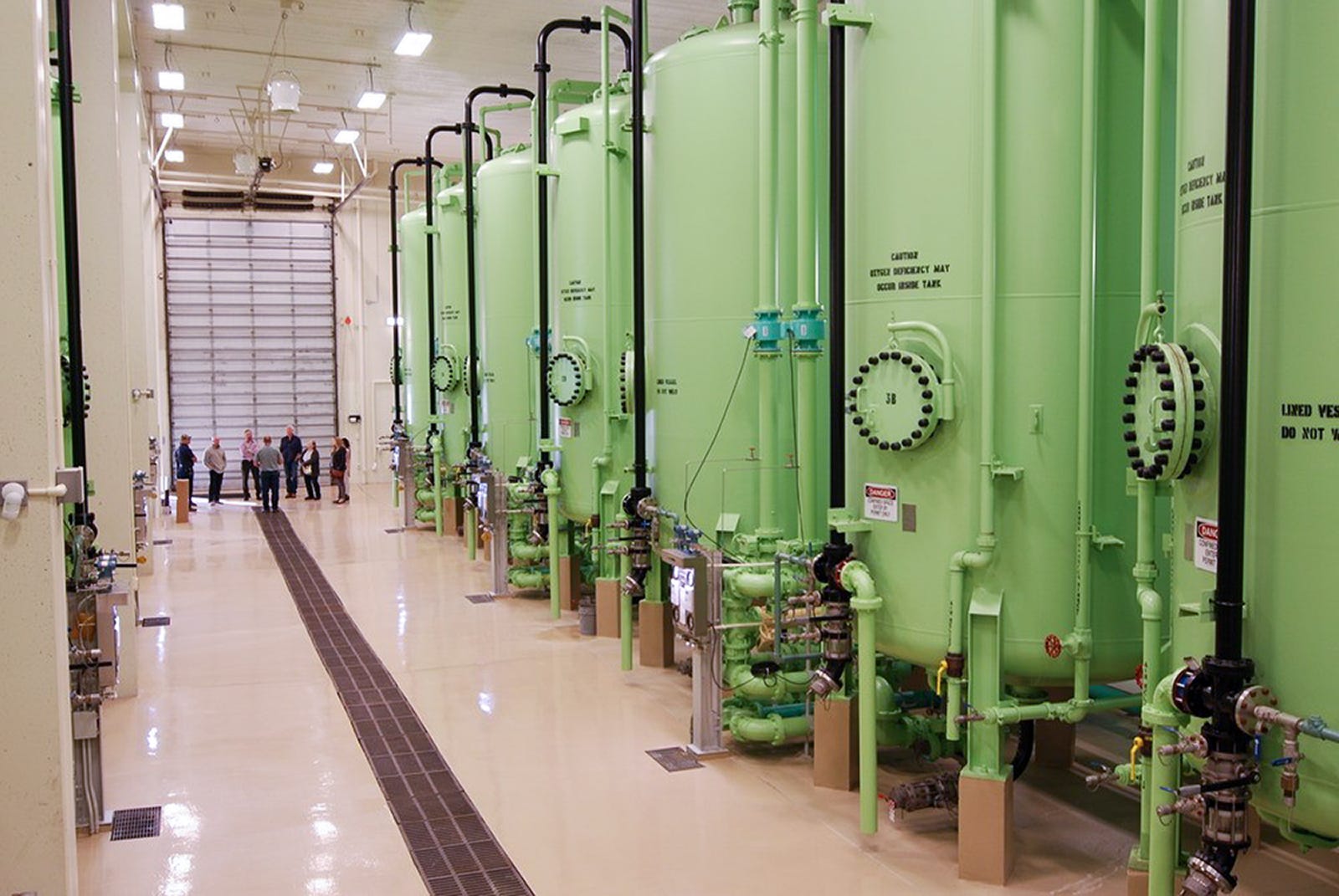
Here’s why: “PFAS” is a catch-all term for per- and polyfluoroalkyl substances, a large group of chemicals characterized by carbon-fluorine bonding, creating resilient substances that resist heat, oil, and water. (Their capacity to persist in the environment, including by accumulating in the human body, has earned them the nickname “forever chemicals”) Ironically, these fluorochemicals were developed by scientists for the Manhattan Project. Later applications led to Teflon frying pans and numerous other uses, including in food packaging, dental floss, and fire retardants. PFAS are now ubiquitous and present in most humans’ bodies.
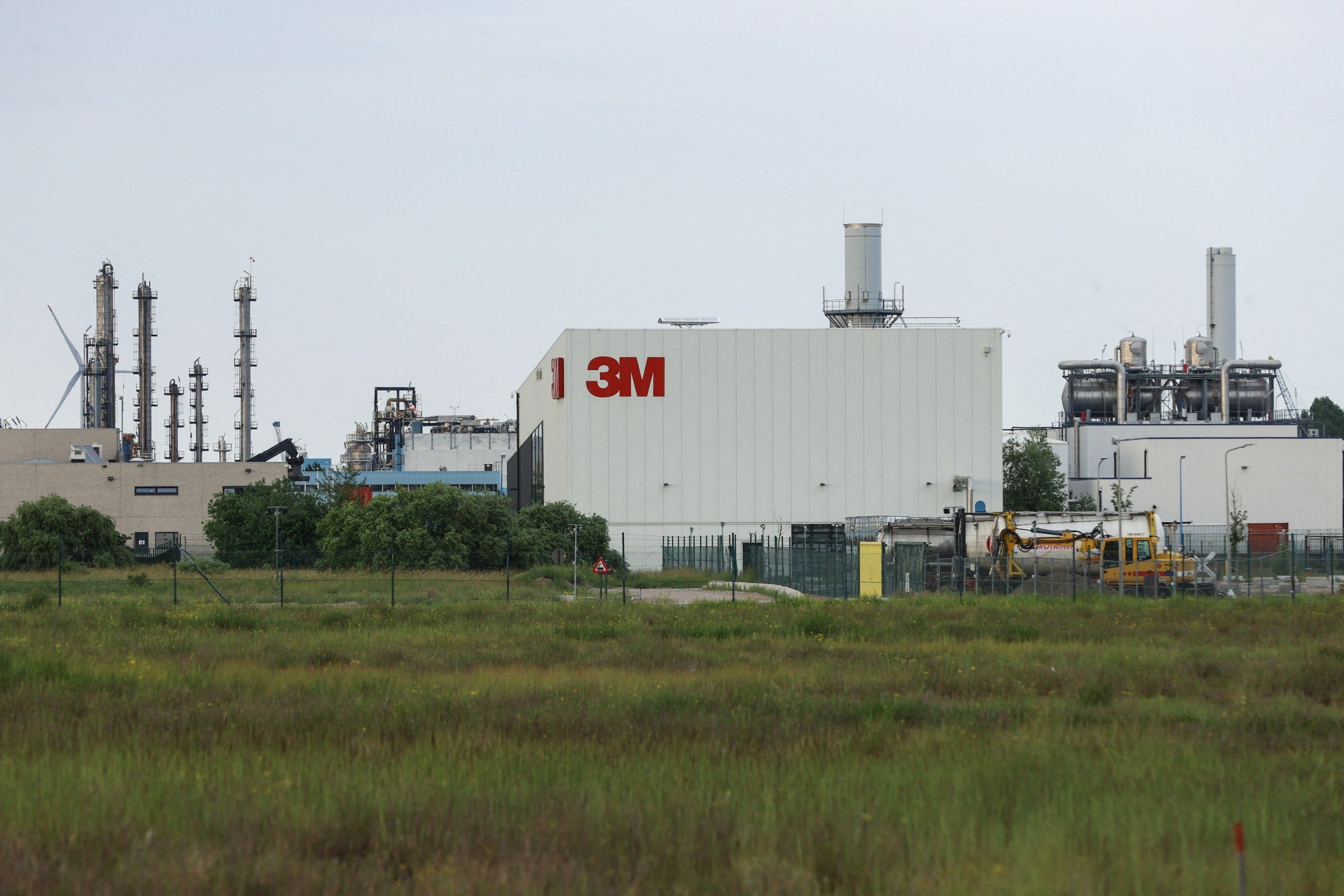
Corporations, including 3M, scandalously covered up the known dangers of PFAS to human health, causing decades of delay in remediation. As with all potentially toxic or harmful substances, it is generally much harder to clean them up once released into the ecosystem than to prevent their generation at inception. Meanwhile, many important U.S. industries have become dependent on the molecular properties of PFAS for various manufacturing applications.
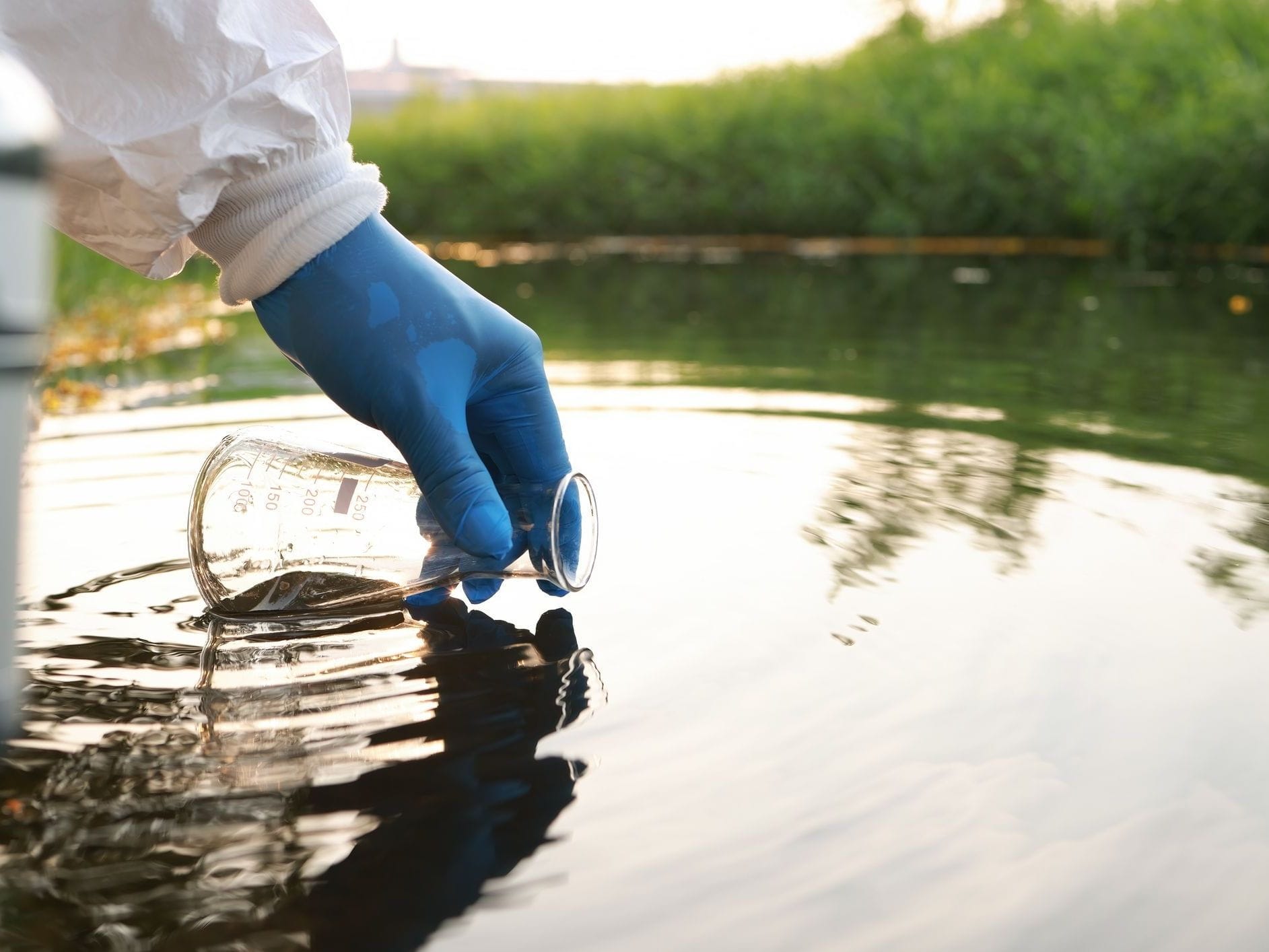
It is now well-known that PFAS inflict a myriad of health harms on humans, including undermining immune system function. Some 15,000 PFAS have been identified: the recent EPA rules for drinking water govern merely six.

There are regulatory and logistical parallels between the recent PFAS decision and the desire by supporters of the MAHA agenda to eliminate glyphosate and other herbicides. It isn’t as easy as snapping fingers or voting for Kennedy. Nor is it as simple as reversing the industrial capture of regulatory agencies. The EPA has laws to follow, and can’t unilaterally ignore them.
This is especially true since the U.S. Supreme Court’s Loper Bright decision, which pared back administrative discretion to implement broad regulations unauthorized by Congress. EPA Administrator Zeldin’s awareness of this new constraint was on display during a feisty congressional sparring with Connecticut’s Democrat Congresswoman Rosa DeLauro. Loper Bright requires federal agencies, including the EPA, to comply closely with federal law.
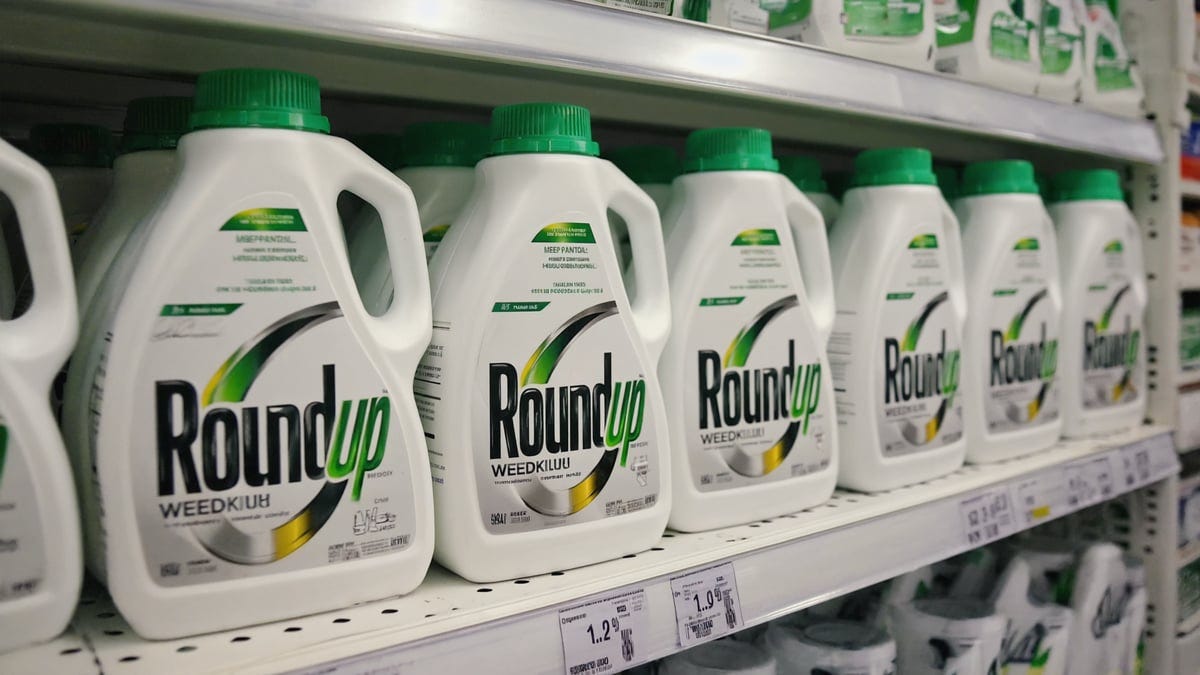
But the conflicts over eliminating glyphosate and PFAS are different in a number of key respects. The EPA has previously determined that glyphosate is not carcinogenic, and the battle lines there are driven by the pursuit of scientific evidence demonstrating its carcinogenicity or other health harms. However, the EPA completely agrees that PFAS are harmful and must be closely regulated.
In a May 18 press release announcing the PFAS policy shift relating to drinking water, Administrator Zeldin stated that the EPA is “taking on PFAS the right way,” including “action to stop PFAS pollution at the source before it ever reaches a tap.” But Zeldin, like Kennedy, has identified failures in statutory compliance in past EPA regulations that expose the agency to legal challenges he seeks to foreclose.
Detractors focused on the ideal outcome – the elimination of all PFAS from drinking water – but ignored the pragmatic hurdles that EPA must address. These include compliance with federal law, identifying the evolving technologies that can effectively extricate PFAS from drinking water, and providing funding support for communities to implement remediation efforts. This is where idealism collides with pragmatism.
For example, one accomplished toxicologist identified by The New York Times as a MAHA activist, alleged that Zeldin is “laser-focused on eliminating regulations” and asked, “Why not defend this rule in court and see what the judge thinks?” Her good intentions collide with legal and economic realities: if Zeldin waits and a court strikes down the current scheme, effective remediation could be set back years. Instead, Zeldin has announced two proposed rules to remedy legal deficiencies and prioritize effective implementation: he is not eliminating PFAS drinking water regulations; he is “laser-focused” on repairing their clear failings.
I’ve seen the rabid diatribes denouncing the EPA’s decision, and most mischaracterize the consequences of the new rules, claiming the EPA is blocking water clean-up. But as I wrote in a commentary two years ago, the Biden era rules foisted most of the clean-up costs for PFAS onto the communities most harmed. It also seemed oblivious to the lack of effective available technologies to extricate these chemicals from water supplies.
The Biden administration implemented rules to regulate six PFAS in drinking water. In its recent proposed revisions of EPA regulations, the EPA announced two rules to improve the effort. The first governs PFOA and PFOS, extending the compliance deadline by up to two years for entities struggling to implement cleanup technologies, while holding other waterworks to the current timeline. This sensible approach acknowledged the funding and technological hurdles ignored by the previous rule, and addresses both.
The second proposed rule applies to the other four PFAS targeted by the Biden EPA, but pauses implementation to cure for a failed Biden-EPA process that violated the Safe Drinking Water Act (SDWA).

The agency has already been sued for failing to comply with the SDWA, including a failure to solicit public comments. The proposed new rule will relaunch the evaluation of these PFAS while complying with the Act. As the EPA notes in its press release, this will allow recent research on these PFAS to be scrutinized and could lead to “more stringent requirements” for them. The process will provide industry with greater predictability, the public with a legally required comment period, and shield the EPA from obvious, process-based legal challenges.
This is a quick fix, much preferable to defending an indefensible rule in court and having it thrown out months or years from now.
Activists love to attack the EPA, but let’s examine what the EPA is doing well regarding PFAS in drinking water. For one thing, the agency is focusing on source policing to prevent release. For another, it has identified a logjam of federal funding for PFAS clean-up at the state administrative level.
The agency also launched its “PFAS OUT [reach]” program, designed to provide technical advice to struggling rural communities and ensure they have access to funding. As EPA notes, “The EPA is committed to ensuring this grant funding reaches small and disadvantaged systems that face unique challenges.” The EPA has also streamlined its periodic review of available proven remediation technologies through the PFAS Destruction & Removal Guidance, which will now issue guidance annually rather than every three years.
Perhaps most importantly, the Trump administration’s EPA is substantially boosting the real-world impact of federal financial support for affected water systems to implement required interventions. Billions of additional PFAS remediation dollars are now being provided through the Emerging Contaminants in Small or Disadvantaged Communities (ECSDC) Grant Program, $1.6 billion in Drinking Water State Revolving Funds specifically allocated to PFAS, and $7 billion in low-interest financing through the Water Infrastructure Finance and Innovation Act (WIFIA).
Prior Biden administration efforts also provided funding, but failed to follow through to ensure that federal dollars got to water systems that have been left holding the bag for PFAS cleanup. This essentially created unfunded mandates – imposing cleanup requirements on marginalized communities instead of the corporations that emitted the pollution. This was hardly equitable. As EPA Administrator Lee Zeldin has previously announced, “We believe at the EPA under President Trump that we should be adopting a polluter pays model for cleaning up PFAS.”
Rushing regulations, pushing taxpayer dollars out the door without oversight, and ignoring what’s happening on the ground is a progressive policy initiative. Improving outreach, research, and funding also reduces overall compliance costs, which some sources estimate could exceed $100 billion for PFAS in drinking water. Imposing these costs on the communities most harmed by PFAS pollution was unconscionable.
Contrary to the doom-and-gloom cacophony of complaints that the EPA is somehow abandoning its oversight of PFAS in drinking water, the opposite is demonstrably the case. The EPA is advancing remediation funding, technical support, and advice to municipalities, and has expanded its own research arm, which studies both PFAS detection and elimination technologies. This is an all-out assault on currently identified PFAS and a blueprint for addressing the thousands of others yet to be evaluated.
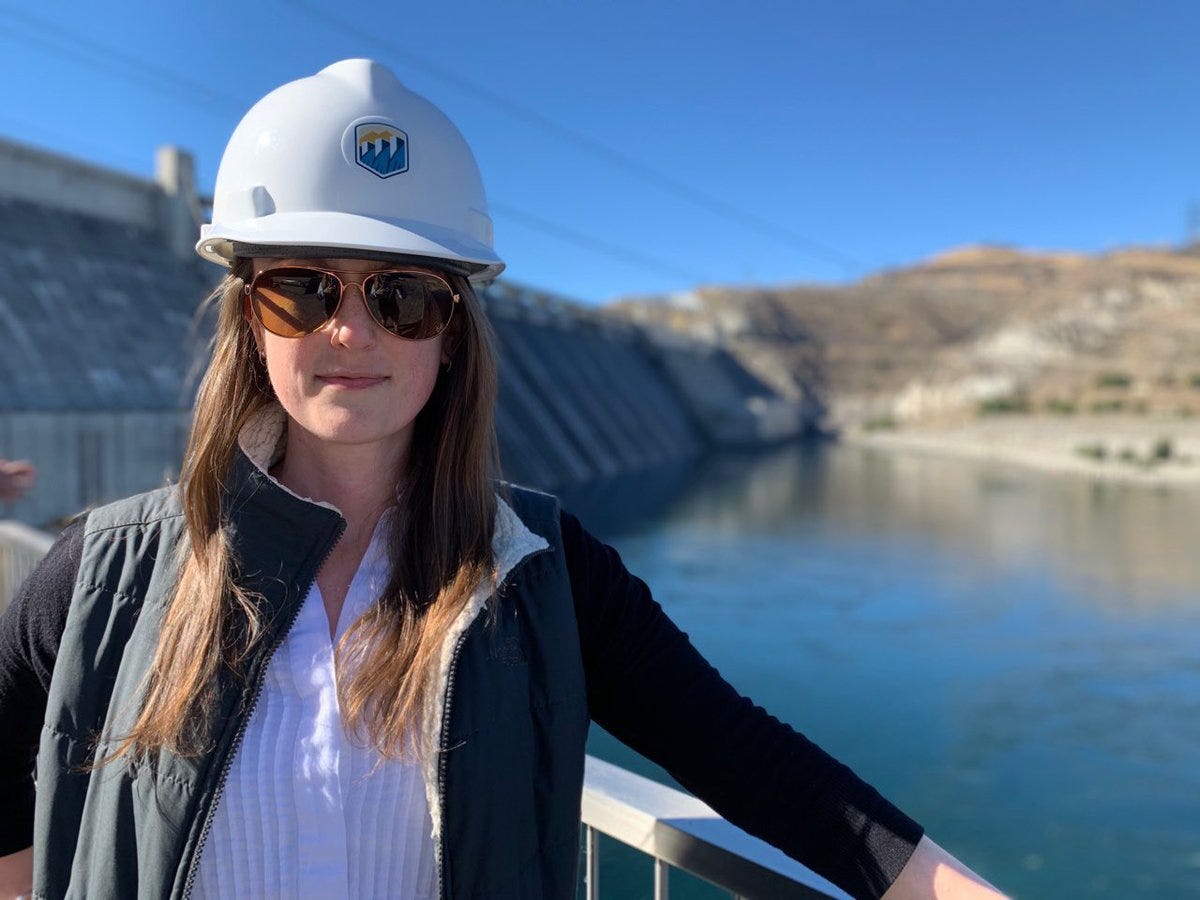
As Jessica Kramer, EPA Assistant Administrator for the Office of Water, explained to the MAHA Report, “We are going to follow the law in our rulemakings, follow the science in our rulemakings, get this new money out the door, but we are also gonna make sure that the money that is already out the doors is gonna get to the communities that need it because no amount of additional money matters if you can’t get the money out of the door.”
This is why the EPA’s press release framed the joint announcement of the plan with HHS Secretary Robert F. Kennedy, Jr., a “PFAS destruction event.”
There is no quick fix for forever chemicals.
Secretary Kennedy and the EPA have not sold out to Big Chem. On the contrary, the MAHA movement is having a profound impact on the EPA and other regulatory agencies. No, they can’t deliver all the desired goods overnight. But they are listening, and working hard to earn public trust and navigate a complex labyrinth of technocratic rules.
Indeed, this very dispute serves to educate even more Americans about the dangers of PFAS. Much like food dyes, critics must explain: Why wasn’t this done decades ago? But here’s the thing – it’s being done now.
For their part, MAHA supporters would do well to look past the legacy media attack machine and consider the regulatory obstacles the EPA faces. They would also do well to think of the long game and remain trusting and committed to Robert F. Kennedy Jr. and the movement he continues to inspire.

After slogging thru this political word salad, I find these proposed changes do not eliminate risk; they create more uncertainty and do nothing except allow PFAS to continue. Much like the kick the can down the road policies of previous administrations since the EPA was created.
I realize it is politically / economically difficult, but simple logic screams the solution to a problem is its source.. put an end to FOREVER chemicals, find a better, sustainable way, THEN think about remediation
The Biden EPA did conduct a formal notice-and-comment process before issuing the 2024 final rule - complete with proposed-rule publications, public hearings, and comment submissions from utilities, environmental groups, industry, and states - For the PFAS drinking-water standards, under the Safe Drinking Water Act.
Disingenuous Zeldin and Hypocrite Bobby now claim the Biden administration rushed the process - so roll 'em back. Sort of the inverse of Rubio's, "We launched war on Iran because Israel was going to attack Iran, which then would have attacked us."