

By Amy Sapola, Contributor, The MAHA Report
When I first spoke with Austrian physician and mother Dr. Maria Hubmer-Mogg, I was struck by how naturally our concerns aligned. Oceans apart, we were asking the same questions about our children’s future. For my inspiring new friend, those concerns became action—fueling MEHA, Make Europe Healthy Again, a movement built on two simple yet revolutionary commitments: peace and health.
“MEHA stands for people who want to do something,” Dr. Hubmer-Mogg told me. “People who want to bring experts in contact with their policymakers and show that we are all brothers and sisters who stand for the same thing—living a happy and healthy life.”
Covid, Courage, and “We Show Our Faces”
By the time Covid-19 measures swept through Austria, at least one physician had already begun rethinking the limits of conventional medicine. Her own healing journey—restoring her microbiome, addressing autoimmunity, and embracing nutrition and nervous-system regulation—had reshaped her clinical approach. As she watched independent media like The HighWire, she grew more concerned about emerging pandemic policies.
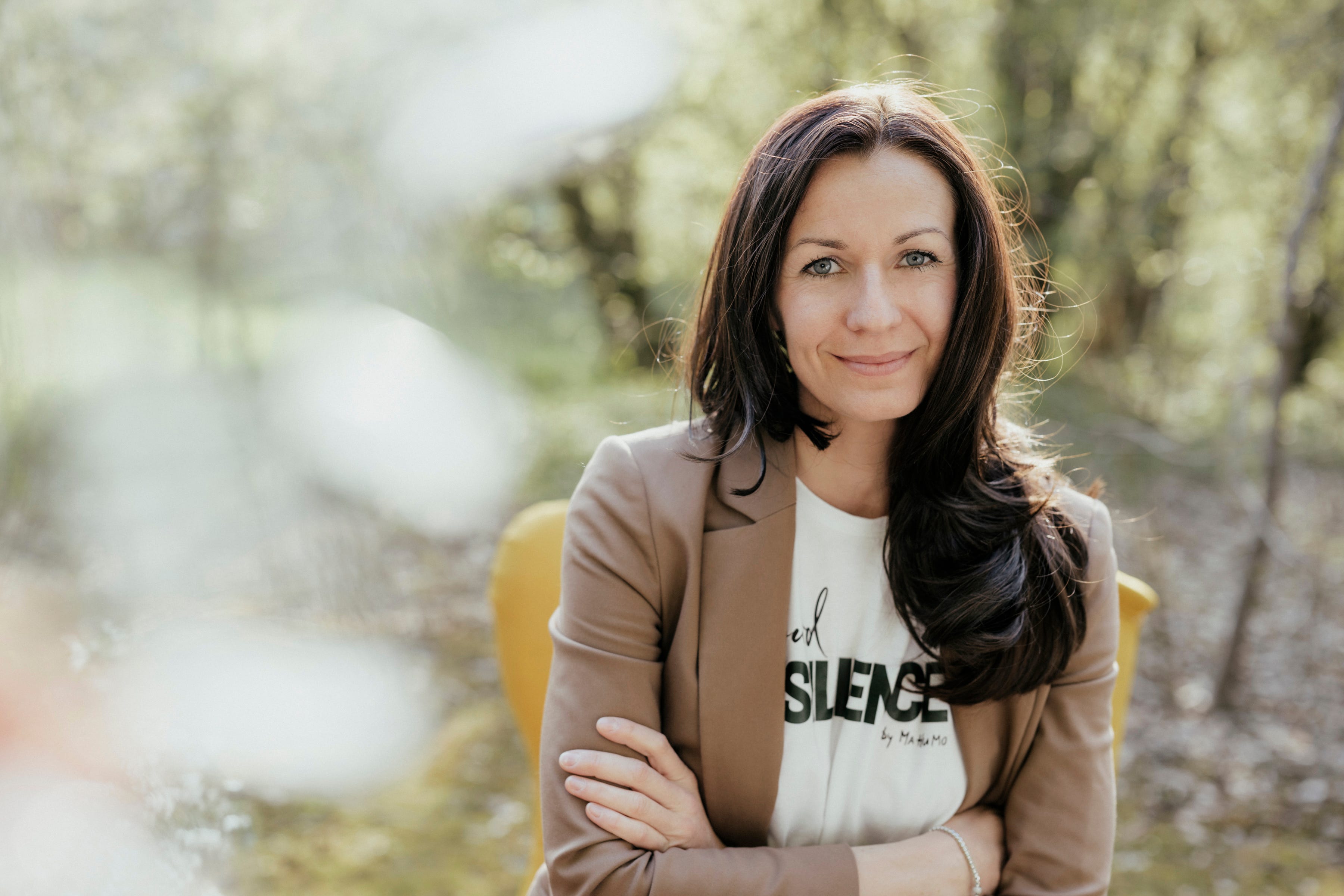
“I said, I need to speak up,” recalled Dr. Hubmer-Mogg. “I was waiting for pediatricians to speak up. They didn’t. So I said, ‘We need to do videos.’”
Those videos became “We Show Our Faces” - clinicians appearing mask-free, speaking their minds, and fully aware of the risks.
“We knew we would get attacked,” Dr. Hubmer-Mogg said. “But we still did it because we knew it was the right thing to do if you follow the Hippocratic Oath—first, do no harm.”
Soon after, Austria introduced a mandatory Covid vaccination law for all adults 18 and older, enforced with steep fines. When she refused to comply, Hubmer-Mogg lost her job. With a two-and-a-half-year-old son to care for, the financial pressure stung. Yet the setback propelled her to become more deeply involved with public leadership.
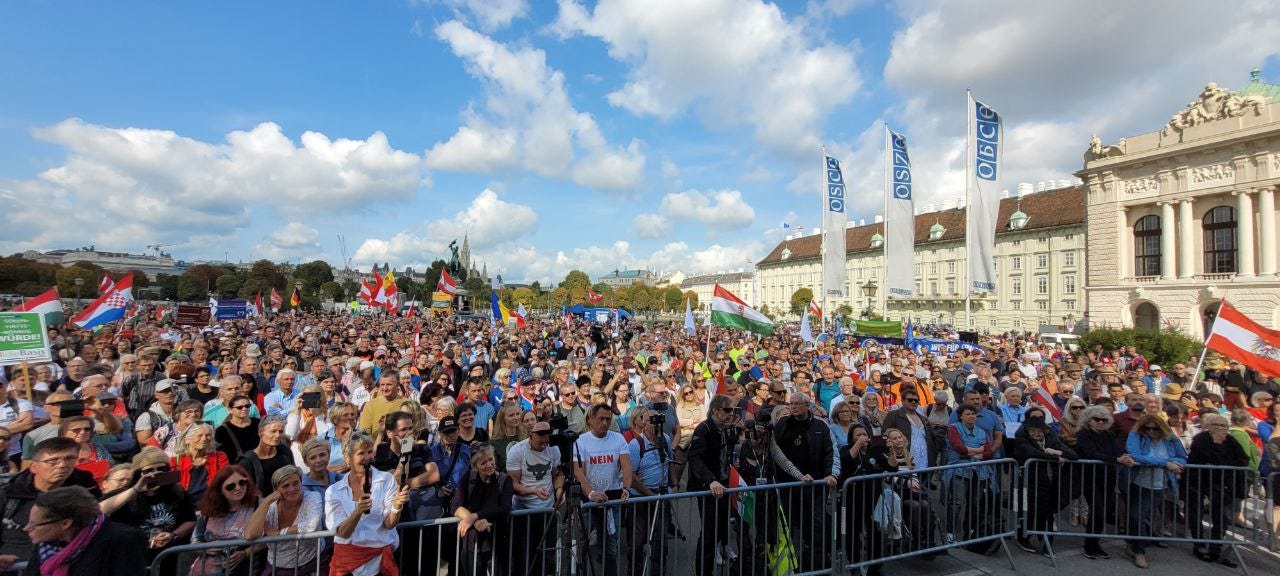
She partnered with another “mama bear”—a tax expert and mother of two boys—to organize rallies designed not for activists but for grandparents, parents, and everyday citizens who felt unheard.
“We had tens of thousands of people following us,” she said, referring to her and a partners’ social media accounts. “People thought, ‘If the young doctor and the young mother organize a rally, I can bring my grandchildren too.’”
As her public role expanded, the young Austrian doctor continued doing what she does best: bringing people together. She helped organize conferences, concerts, and community events—gatherings meant to inform, uplift, and connect.
From MAHA to MEHA
When Hubmer-Mogg learned Kennedy had coined the acronym MAHA, she felt an unexpected sense of alignment. Conversations in Washington—particularly after the “Rescue the Republic” rally—sparked the idea of adapting the concept for Europe. The result was MEHA: Make Europe Healthy Again.
MEHA’s mission is intentionally simple: unite people around peace and health, and create pathways for citizens and experts to engage directly with policymakers.
“Peace is the ground foundation for living a healthy and happy life,” Maria tells me. “MEHA is for people who want to take their future and the future of their children into their own hands.”
From the start, she has emphasized that MEHA is not an American import. Europe’s cultural and political landscapes are diverse, and each country requires its own path.
“Our approach is: what is your medical system like?” she explained. “Do you have politicians who are awakening now? Can our advisory board members come to a hearing in your country and help with the data?”
The goal is sovereign, local solutions—not a one-size-fits-all approach.
When I asked where she sees the biggest disconnect between citizens and policymakers, Hubmer-Mogg didn’t hesitate.
“It’s always the same,” she said. “There’s not only Big Pharma. There is also Big Agriculture and Big Food.”
The issue, she emphasized, is not that these industries exist—but that their interests are consistently represented, while the interests of healthy soil, clean food, and children’s well-being are not.
“We need experts to lobby for the good things,” she said. “Right now, policymakers are still influenced by the wrong lobbyists.”
MEHA seeks to correct that imbalance. Its core priorities include:
Regenerative farming and permaculture
Clean, safe food in school cafeterias
Honest conversations about wireless technology and screen exposure in young children
Prevention as a central—not peripheral—component of health policy
Building MEHA
MEHA’s growth has been rapid and organic. The doctor who once felt alone in her resistance to mainstream narratives, now receives “hundreds of emails per week,” she tells me, from across Europe and beyond—thank-yous; pleas for help from vaccine-injured individuals; and offers of support from mothers, scientists, practitioners, and citizens eager to help the movement matter..
When I asked what Europe might look like in five to ten years if MEHA succeeds, Hubmer-Mogg didn’t miss a beat… Her vision is clear and quietly transformative:
Healthy soil, healthy food, healthy kids
Prevention embedded in policy
Regenerative agriculture and nourishing school meals
Children who can understand and regulate their nervous systems
A return to family, community, and meaningful connection
For Dr. Hubmer-Mogg, health is not only biological—it is cultural.
A Shared Soil-to-Soul Vision
“It’s not all kumbaya—‘everything’s perfect if you just eat healthy,’” she reminded me. “There are forces that make our kids sick because they allow unhealthy things into our food system. But we can bring people and policymakers along. It takes time, but it’s possible.”
In Hubmer-Mogg’s worldview—and in mine—healthy soil is the upstream source of human and ecological well-being. Biologically active soil produces more nutrient-rich food; that food supports stronger, more resilient bodies and clearer minds; and those bodies and minds, in turn, shape healthier families, communities, and public institutions.
Soil health is not simply an agricultural topic—it is a practical blueprint for a thriving society.
This soil-to-soul philosophy also underpins MAHA in the United States. Across continents, the insight is the same: when we restore the foundations of health—beginning quite literally with the ground beneath our feet—we strengthen the people we love and the systems we depend on.
MEHA and MAHA are parallel movements rising from a shared conviction that real reform begins with concerned citizens: with parents who refuse to look away, farmers who restore the land, clinicians who practice prevention, and communities which remember how to care for their children.
MEHA is part of a broader awakening happening across continents. Whether in Vienna or Ohio, the call is universal:
Heal the soil, nourish the people, and protect the next generation.
If MEHA succeeds, Europe’s future will be shaped not by industry lobbies but by families, farmers, practitioners, and engaged citizens reclaiming their agency. If MAHA succeeds in the U.S., it will be for the same reason.
Both movements rise from the ground up—literally and figuratively.
Both insist that health is not a commodity but a birthright.
Both depend on ordinary people choosing courage over convenience.
And, together, they remind us of a simple truth: When we repair the foundations of life, we create the conditions for peace, vitality, and hope.
Amy Sapola is a clinical pharmacist, Institute for Functional Medicine Certified Practitioner (IFMCP), and National Board–Certified Health & Wellness Coach with advanced training in nutrition, culinary medicine, and integrative care. Based at University Hospitals in Cleveland, she bridges pharmacology with food as medicine and lifestyle-based care to support midlife women’s hormonal and metabolic health. She is also a mother of two, an avid gardener, and a passionate home cook.
This is inspiring to me, as the notion of our basic human rights must include the ability to breathe clean air, drink safe water and grow our nourishment from healthy soils. I am reminded of these words from JFK, during a speech on world peace at American University: “For, in the final analysis, our most basic common link is that we all inhabit this small planet. We all breathe the same air. And we are all mortal. Our problems are man made, therefore they can be solved by man.” He was speaking of mass annihilation from nuclear weapons, but mankind is truly in a war for survival from another form of malevolence. We know who our enemies are and we have the moral imperative to defeat them. We absolutely must.
This warms my heart.
I love the holistic approach, from gut biome to healthy soil.