

By Amy Sapola, PharmD, Contributor, The MAHA Report
On March 5, HHS Secretary Robert F. Kennedy Jr. and Education Secretary Linda McMahon announced that 53 medical schools across 31 states have committed to providing at least 40 hours of nutrition education, or a 40-hour competency equivalent, for students entering medical school beginning in the fall of 2026.
This is no small deal. The initiative represents one of the most visible federal efforts in decades to reposition nutrition as a core component of physician training rather than as an elective interest.

America spends $4.4 trillion each year treating chronic disease and mental health conditions. An estimated one million Americans die annually from diet-related illnesses. The physicians responsible for caring for these patients often receive little formal training in nutrition, an area that plays a critical role in promoting or preventing chronic disease.
Now that will change.
Historically, less than 1 percent of lecture hours in U.S. medical schools have been devoted to nutrition education. As of 2024, 75 percent of medical schools required no dedicated clinical nutrition courses, and only about 14 percent of residency programs include nutrition as part of their required training. A 2022 survey of U.S. medical students published in the Journal of Wellness found that students reported receiving an average of just 1.2 hours of formal nutrition education per year. Not surprisingly, surveys of physicians and medical trainees suggest that only about 14 percent feel adequately trained or confident discussing nutrition with patients.
In response, HHS announced that it will dedicate $5 million through a multi-phase NIH Nutrition Education Challenge to support curriculum development, clinical training opportunities, and research to more deeply integrate nutrition science into medical education.
But the real question is whether the federal agencies now instituting change will use this moment to fundamentally rethink what future physicians should understand about food, chronic disease, prevention, and the systems that shape health long before a patient enters a clinic.

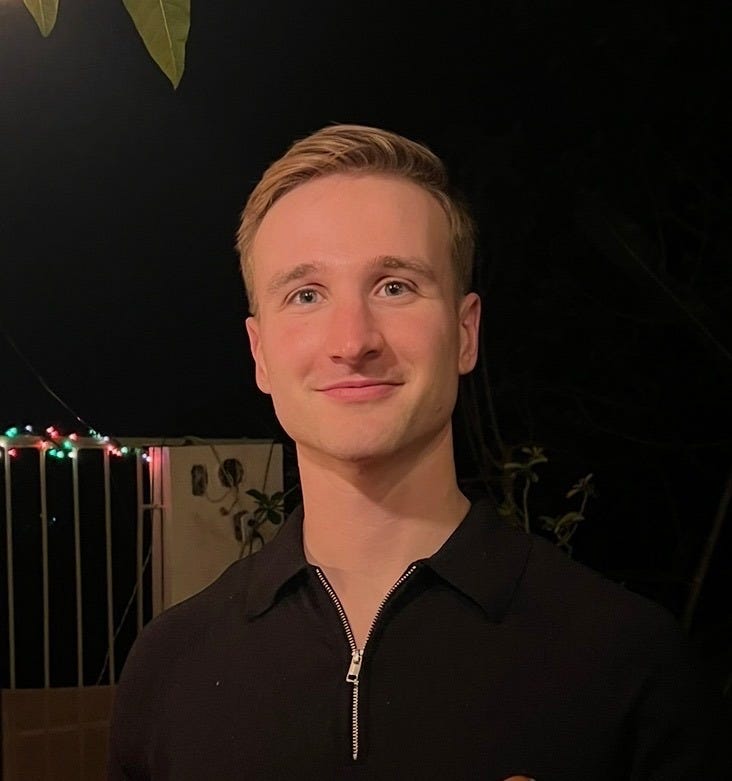
To understand how the next generation of doctors views the HHS announcement, I spoke with Fiona Fragomen and Connor Riegal, both fourth-year medical students at Case Western Reserve University in Cleveland, Ohio. Each has a strong interest in nutrition, food systems, and farming practices and perspectives, reflecting a growing curiosity among medical students about the upstream drivers of health. Their experiences and reflections offer a window into the strengths and shortcomings of current medical training and a glimpse into how future physicians may begin to think differently about prevention, food, and chronic disease.
A Curriculum Focused on Deficiency, Not Disease
Fragomen described a curriculum in which nutrition appears intermittently and often in a limited, biochemical context rather than as a practical clinical tool.
“The vast majority of our nutrition education occurred during the first year,” she said. “And much of it focused on vitamins and mineral deficiencies.”
As a result, students may spend considerable time studying relatively rare conditions—such as scurvy and pellagra—while receiving far less instruction on how dietary patterns influence the chronic diseases physicians encounter every day, such as diabetes, cardiovascular disease, obesity, and fatty liver disease.
“There really isn’t a required, formalized nutrition education that focuses on clinical application,” Fragomen explained. While some electives and wellness pathways exist, students who want to include nutrition education typically need to pursue it independently.
Once students begin seeing patients, she said, the limitations of that approach become clear.
“Patients ask about nutrition all the time,” she said. “They want to know what they should eat, what helps inflammation, what supports their diabetes or metabolic health. And it can feel surprising that after years of medical training—when the goal is to prepare you to help people—you realize there is still a significant gap in your education when it comes to these questions.”
Is Forty Hours Enough?
Both students view the new federal commitment as a promising first step, but neither believes the solution is as simple as adding a single course.
“I’m encouraged that they landed on a number like forty hours,” Riegal said. “It shows they think this is important.”
At the same time, he cautions that simply assigning a time requirement does not guarantee meaningful learning.
“Sometimes when something is defined purely by hours, it can start to feel like a box to check when the curriculum is already so packed with content,” he said.
Medical school curricula are already densely packed with material, and inserting a stand-alone nutrition block could easily become just another short course students memorize for exams and then move past.
Instead, both students emphasized a different approach: integration.
Fragomen believes the most effective way to incorporate nutrition into medical education is by weaving it throughout the existing curriculum.
“I don’t think it should be its own little section for two weeks,” Fragomen said. Because medical education is already structured around organ systems—cardiology, endocrinology, pulmonology, and others—she argues that nutrition can naturally be integrated into each block as a clinical learning objective.
“You can relate nutrition to the heart, to the kidneys, to the lungs—you can relate it to every system that you learn,” she explained. In her view, this approach would make the subject both more practical and less overwhelming for students. Rather than isolating nutrition as a separate topic, students could repeatedly encounter it in realistic clinical contexts. “It’s such a fundamental, basic education point,” she said. “Every discipline, including surgery, can benefit from nutrition education.”
Embedding small but consistent learning objectives—such as discussing dietary strategies for diabetes or inflammation during patient simulations would reinforce the idea that nutrition is not peripheral to medicine but foundational to understanding disease and prevention.
Riegal agreed, offering an example: “If you’re studying psychiatry, you could ask students to look into the emerging research on ketogenic diets and psychiatric illness. If you’re studying cardiology, you could talk about dietary patterns and inflammation. You could easily incorporate these questions throughout the year.”
In this model, nutrition becomes a recurring thread rather than a one-time course.
“It’s actually easier to reach forty hours that way,” he added. “And it reinforces the idea that nutrition affects every system in the body.”
Training Physicians to Lead, Not Replace Dietitians
Neither student believes the goal should be to turn physicians into nutrition specialists.
“Doctors don’t need to become dietitians,” Riegal said. “But they should walk away with an appreciation for how much food affects physiology and disease.”
That understanding matters because physicians often lead patient care teams and help shape clinical systems.
“If doctors understand the role nutrition plays, that affects how they design care teams, what resources they support, and what they prioritize for patients,” he explained.
That might mean advocating for dietitians in primary care clinics, supporting teaching kitchens within hospitals, or developing food-as-medicine programs that help patients access healthier foods.
“You want physicians to recognize that nutrition is a powerful tool,” Riegal said. “Then they can make sure the right experts are part of the team.”
Looking Further Upstream
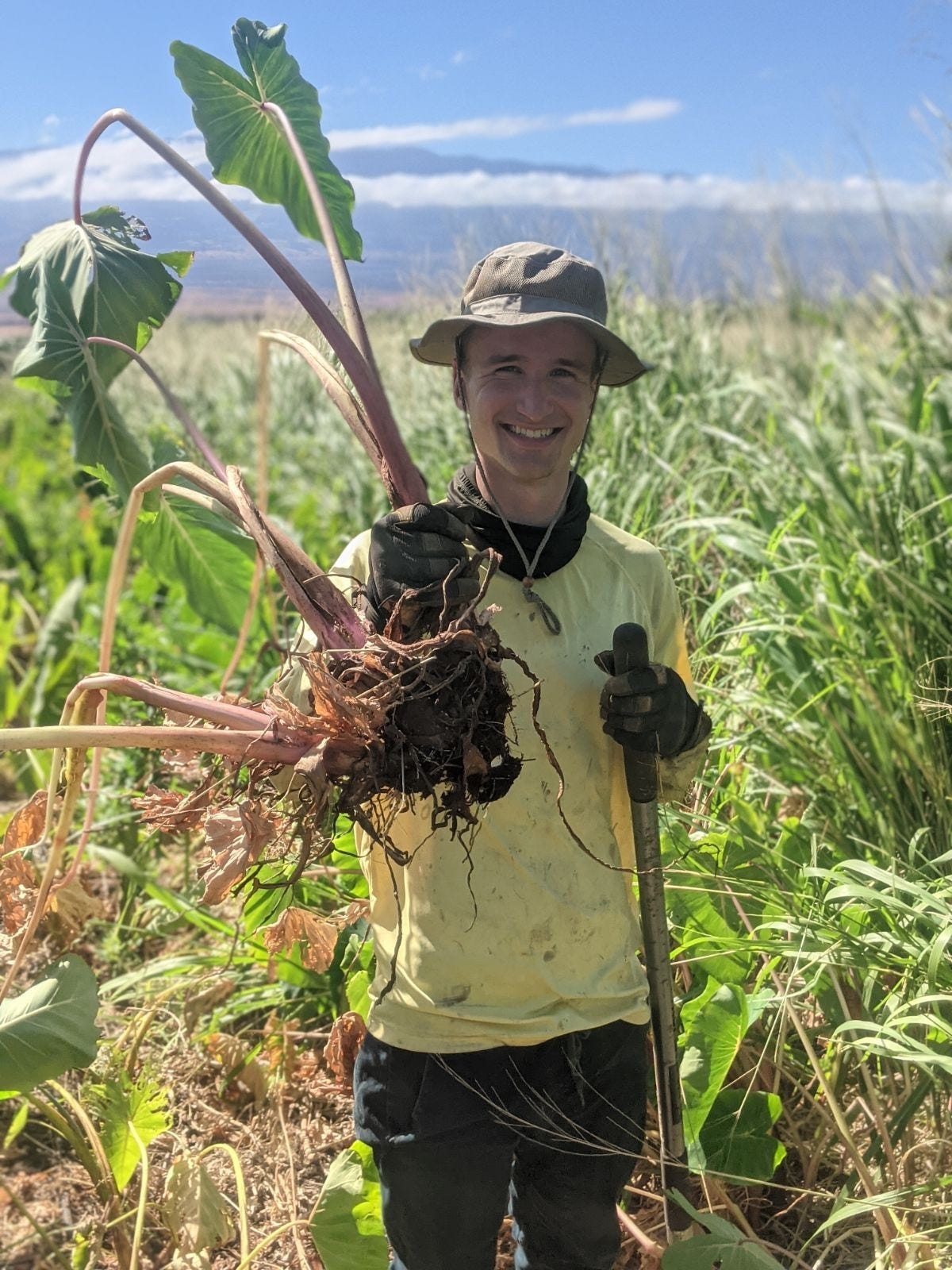
Riegal’s interest in nutrition began even before medical school. He spent time working on a regenerative farm in Maui, where he saw firsthand how food can be produced differently—and how those differences are invisible to most consumers.
“We were trying to regenerate old plantation land,” he said. “Across the valley, you could see conventional agriculture creating dust storms because the soil was so depleted.”
That experience changed how he thought about food and health.
“It made me realize how many steps there are between the soil and the plate,” he said. “And how all of those steps can influence health outcomes.”
Riegal is not alone among his peers in arriving at medicine through the food system, but such experiences remain unusual in medical training.
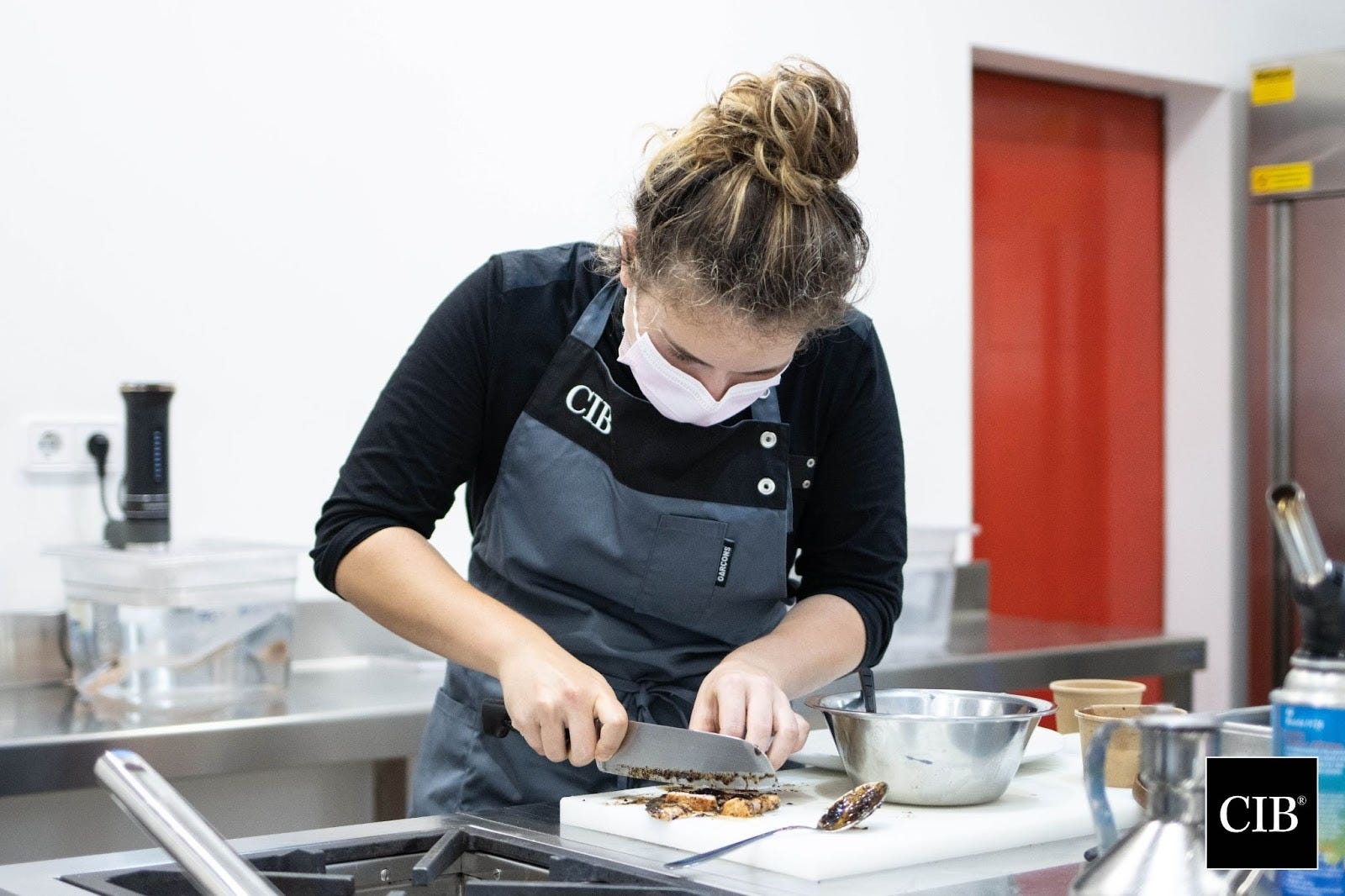
Fragomen took a similarly unconventional path. Before entering medical school, she earned a degree in nutrition and sought to understand food not only through textbooks but through practice—working on the regenerative Apricot Lane Farms in Southern California, widely known for its soil-focused farming model. She later pursued culinary training at the Culinary Institute of Barcelona, completing the Healthy Cooking Program to demonstrate that nutritious food can also be flavorful and accessible.
Fragomen and Riegal also partnered to develop a popular elective course for medical students at Case Western Reserve University. The program brought together leading experts from across the country to explore topics often missing from traditional medical curricula, from the relationship between diet and the microbiome to the role of regenerative farming in shaping the food system. The course also included a hands-on culinary component, giving students the opportunity to translate nutrition science into practical skills they could carry into clinical practice.

Together, their experiences reflect a unique perspective among medical trainees. While most medical students encounter nutrition largely through lectures on vitamins and deficiency states, both Riegal and Fragomen arrived with firsthand exposure to the broader systems that shape diet and health—from soil and farming practices to culinary skills and medical education itself.
In Riegal’s ideal curriculum, nutrition education would explore that entire chain—from farming practices to food processing to dietary patterns and clinical outcomes.
“Food isn’t just what you see on the plate,” he said. “There’s a whole story behind it.”
A Chance to Change the Culture of Medicine
Ultimately, both students believe the new federal initiative represents a rare opportunity to reshape how medicine approaches chronic disease.
For Fragomen, the goal is simple: give future doctors the tools to answer the questions patients are already asking.
Riegal shared, “If physicians understand the importance of nutrition, that changes how they practice medicine,” he said. “And over time, it changes how healthcare systems think about prevention.”
Forty hours alone may not, in itself, solve the chronic disease crisis but it’s a massive, generational step in the right direction – especially if nutrition education is integrated across curriculum, teaching practical skills and grounding classes in whole food principles.
Nutrition training should be far more than 40 hours. But 40 is more than 20 and 20 is more than zero.
Forty hours of dietary training for physicians is a good first step. I support the idea of then integrating dietary into each study of the systems of the body so that physicians can correlate the best foods to support those systems. The pathology of each system could include dietary guidelines to prevent or treat disease. An additional benefit could be that we may find medicines would not be as necessary. A good thing!!