


By John Klar, Contributor, The MAHA Report
Americans are paying attention to HHS Secretary Robert F. Kennedy Jr.’s new, health-minded food pyramid that recommends nutrient-dense, whole foods, including meat proteins and full-fat dairy.
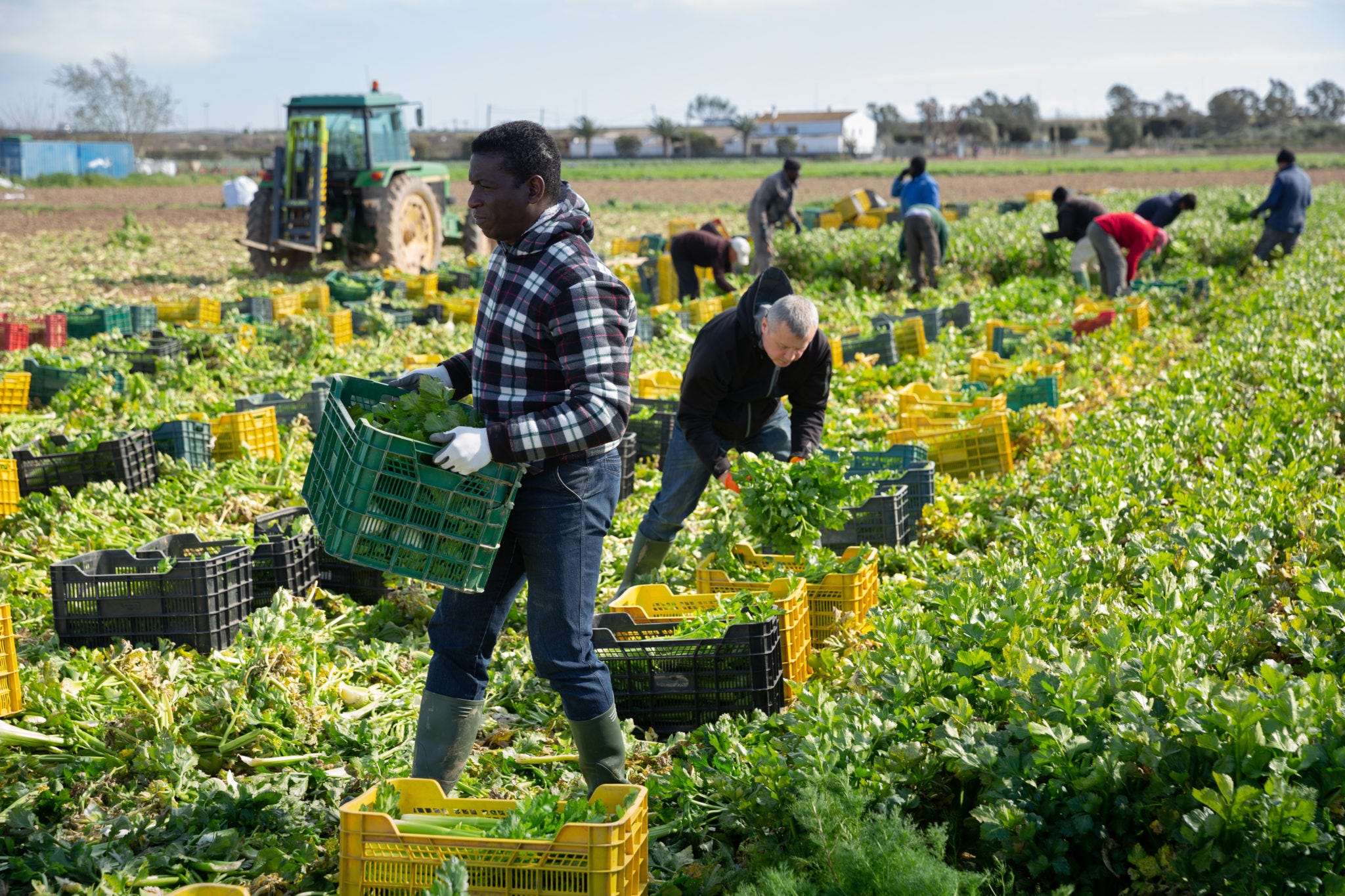
Now it’s incumbent on every state to make it as easy as possible to buy the real foods that HHS and its sub-agencies recommend, and to enhance ‘food liberty’ – the freedom to choose and access the food one wants.
In this respect, America’s small farmers are crucial. They must be mobilized to grow the necessary food – and our nation’s laws must bend, with bipartisan support, to put the country on the best possible course to fulfill Secretary Kennedy’s mission to reverse the chronic disease epidemic in the United States.
Maine has led the charge to secure food liberties at the state level, enacting a “right to food” amendment to its constitution. Maine Constitution Art. I, § 25 provides:
“All individuals have a natural, inherent and unalienable right to food, including the right to save and exchange seeds and the right to grow, raise, harvest, produce and consume the food of their own choosing for their own nourishment, sustenance, bodily health and well-being, as long as an individual does not commit trespassing, theft, poaching or other abuses of private property rights, public lands or natural resources in the harvesting, production or acquisition of food.”
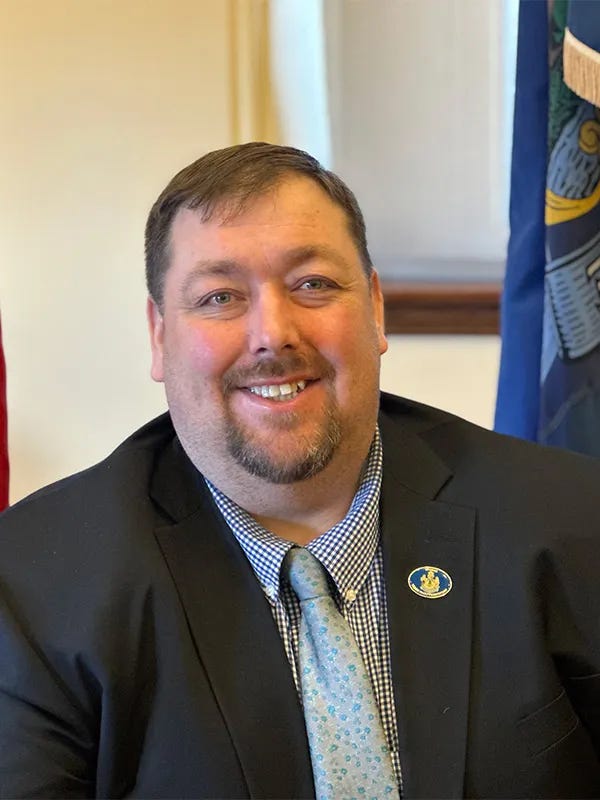
Billy Bob Faulkingham (R - Maine)
Other states are contemplating similar initiatives, but Maine’s experience offers an additional lesson: its constitutional amendment was achieved through bipartisan alliances. Originally introduced by Democratic Maine Senator Craig Hickman, the effort stalled until he was joined by Republican Representative Billy Bob Faulkingham. This is why MAHA’s bipartisan growth is so imperative: Americans lack the luxury of partisan division in the war to reclaim their food supplies and their children’s health.
Representative Faulkingham explained in an interview with The MAHA Report on January 20 that, when he learned of Senator Hickman’s initiative, it seemed monumentally important, not just in Maine but nationwide as a national security issue.
“The founding fathers would have included a right to food in the Bill of Rights if they had foreseen people would be so disconnected from their food,” Billy Bob said, citing examples through history when totalitarian regimes or tribal warlords controlled food supplies for political power. (The World Economic Forum and multinational corporations have been conspiring to control global agriculture for decades.)
In state committee testimony in February 2021, Billy Bob passionately advocated for Maine’s common sense amendment, explaining, “I came here to Augusta to make the State of Maine a better place for my children. We need to have the courage now to do this for our kids and grandchildren and the future generations of Mainers.”
That sounds a lot like Secretary Kennedy’s mission to improve our children’s health, the core of the MAHA movement.
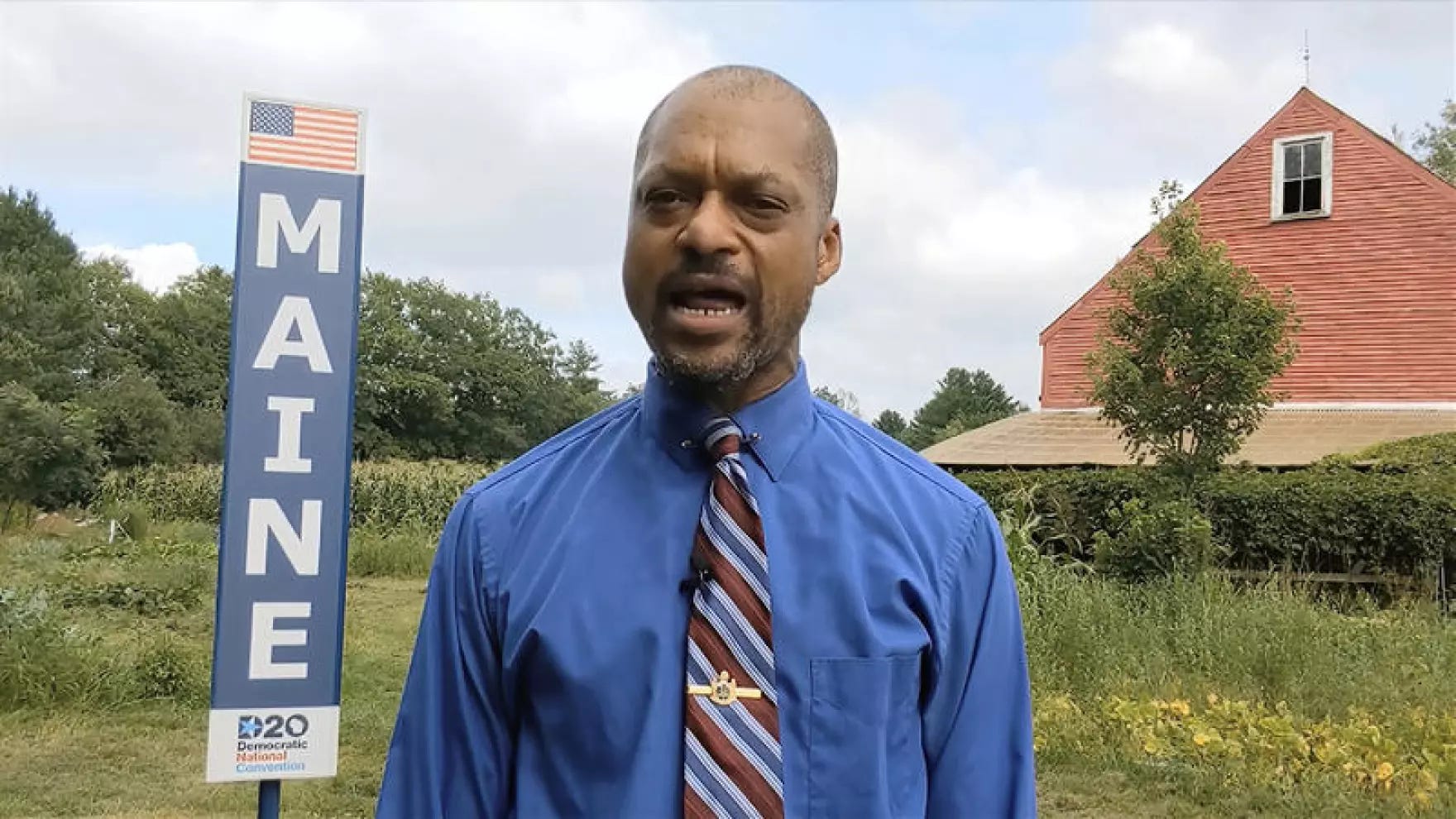
Senator Craig Hickman (D- Maine)
On the other side of the Maine political aisle, Senator Hickman, a small-scale farmer himself, advocated similarly. He believes that “Food is Life,” and has explained why he pushed for Maine’s constitutional amendment:
“I believe locally produced food is national security. I believe that access to wholesome food is a right for every citizen.
I believe the best way to achieve more food self-sufficiency and security in Maine is to allow our neighbors… to advertise, sell, and feed us the food we want to eat… If you control the food, you control the people. We the people need real competition, not corporatist state control… Food sovereignty equals self-determination. Let us act unanimously.
Three attempts were made to implement Maine’s constitutional protection of food rights, but bipartisan cooperation and grassroots organizing got the job done. Now other states are following Maine’s lead.
Maine isn’t the only state advocating for food freedom. West Virginia is contemplating a state constitutional amendment similar to Maine’s. An effort was introduced in Virginia on January 27 to pass an amendment that states simply, “That the right of the people to acquire the food of their choice from the source of their choice, with mutual consent, shall not be infringed.”
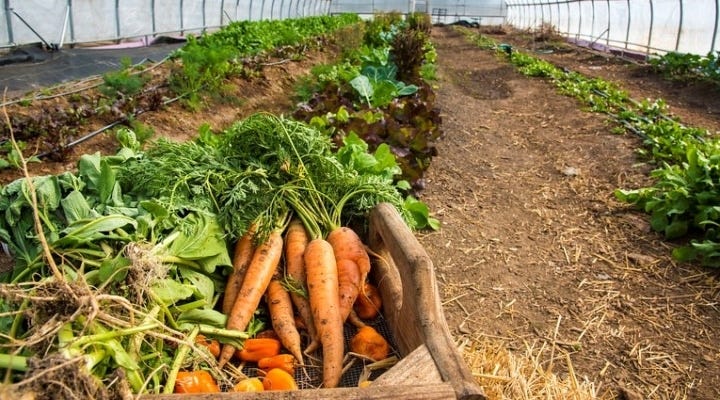
Indiana is considering a law that would expand farm and homestead food sales by prohibiting the state government from imposing “any rules, regulations, certifications, or licensing requirements on a small farm or homestead vendor that are not required under federal law.” New Hampshire is weighing a law to expand domestic meat processing rights.
For Americans to improve their health through diets that include fresh, whole foods – as Secretary Kennedy and his colleagues so wisely recommend – they need to support their farmers and enact laws that protect the liberty to grow and consume foods of their own choosing. And they must do so by crossing political aisles to find common ground. That is the MAHA way.
Key takeaways:
– Improving US food supplies requires not just increased domestic production of whole foods but relaxing legal restrictions to enhance food liberties.
– Maine has led the nation with a constitutional amendment creating a “Right to Food” through bipartisan cooperation.

I hope this "food freedom" amendment will be added to every state constitution. Family farms are constantly threatened by unsustainable financial pressures. They must be encouraged and supported. Thanks for this informative article.
This article by John Klar was amazing. My friend (John Murphy) and I in Northern Arizona are starting again "Victory Gardens" from WW2. We are hiring young people to help old people with their gardens. We call this the "God Squad". We could use help. Who can we contact to help us? This is our podcast how to make 100 healthy: https://www.youtube.com/watch?v=LTH-vdxFaaU This is our golf tournament to raise money for the God Squad. https://www.prescottfoodforest.com/