


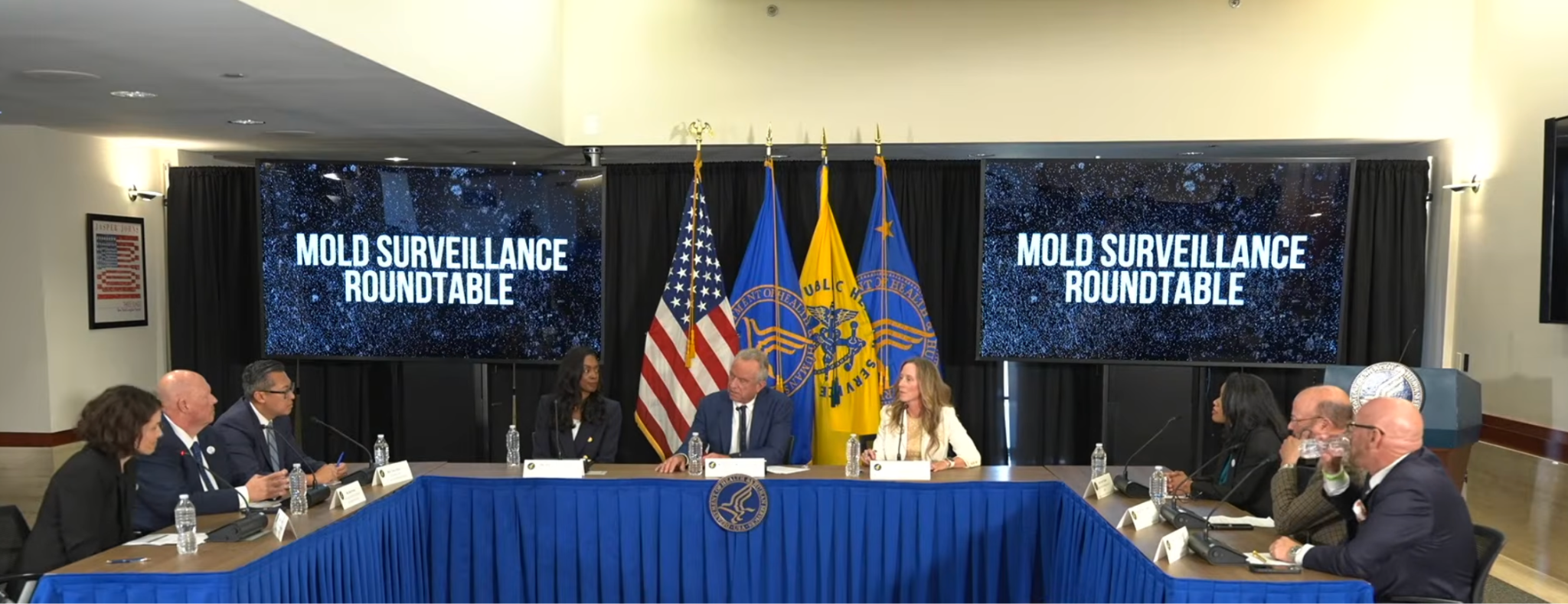
At the recent Mold Surveillance Roundtable, hosted by Health and Human Services (HHS) on September 18, Secretary Robert F. Kennedy Jr. called for more physician education, better diagnostics, new treatments, and research into mold- and fungus-related illnesses and why they may be going unrecognized.
Kennedy also revealed that the issue is personal: His family’s 1920s clapboard farmhouse in Bedford, New York, suffered extensive flooding in 2003 while the Kennedy family was on vacation, resulting in a severe black mold problem. After initially trying to save the home through a gut renovation, Kennedy and his late wife, Mary Richardson Kennedy, ultimately decided that the damage was too extensive and that they had to rebuild the house from the ground up.
“Almost all of my children were affected,” said Kennedy, adding that his late wife was “very, very badly affected.” He went on to share that one of his sons developed a chronic mold infection in his sinuses and spent years seeing numerous physicians before finally receiving a diagnosis. His son eventually moved to Phoenix and now lives in a home designed to minimize mold exposure, with custom wall coatings and an HVAC system designed to control conditions that promote mold growth.
Kennedy compared the experience of some mold patients to those with Lyme disease and Long Covid, where people may spend years searching for answers while symptoms remain unexplained or poorly understood.
The HHS roundtable was more than a discussion of what medicine does not yet know. It also came with an announcement of new federal investment. The CDC said more than $1.5 million for fungal-disease education, $2.5 million to expand clinical research through the University of Alabama at Birmingham’s Mycoses Study Group, and more than $8.7 million for surveillance and laboratory capacity across 38 state and local health departments.
Those investments are largely focused on fungal disease, including severe and invasive infections. But Kennedy made it clear that he wants HHS to look more broadly at patients who fall outside well established categories: people with chronic symptoms, a history of mold exposure, and few clear answers.
His goal, he said, is to educate physicians and the public, identify potential sources of illness and develop better diagnostics, treatments and prevention strategies.
A bigger problem than many realize
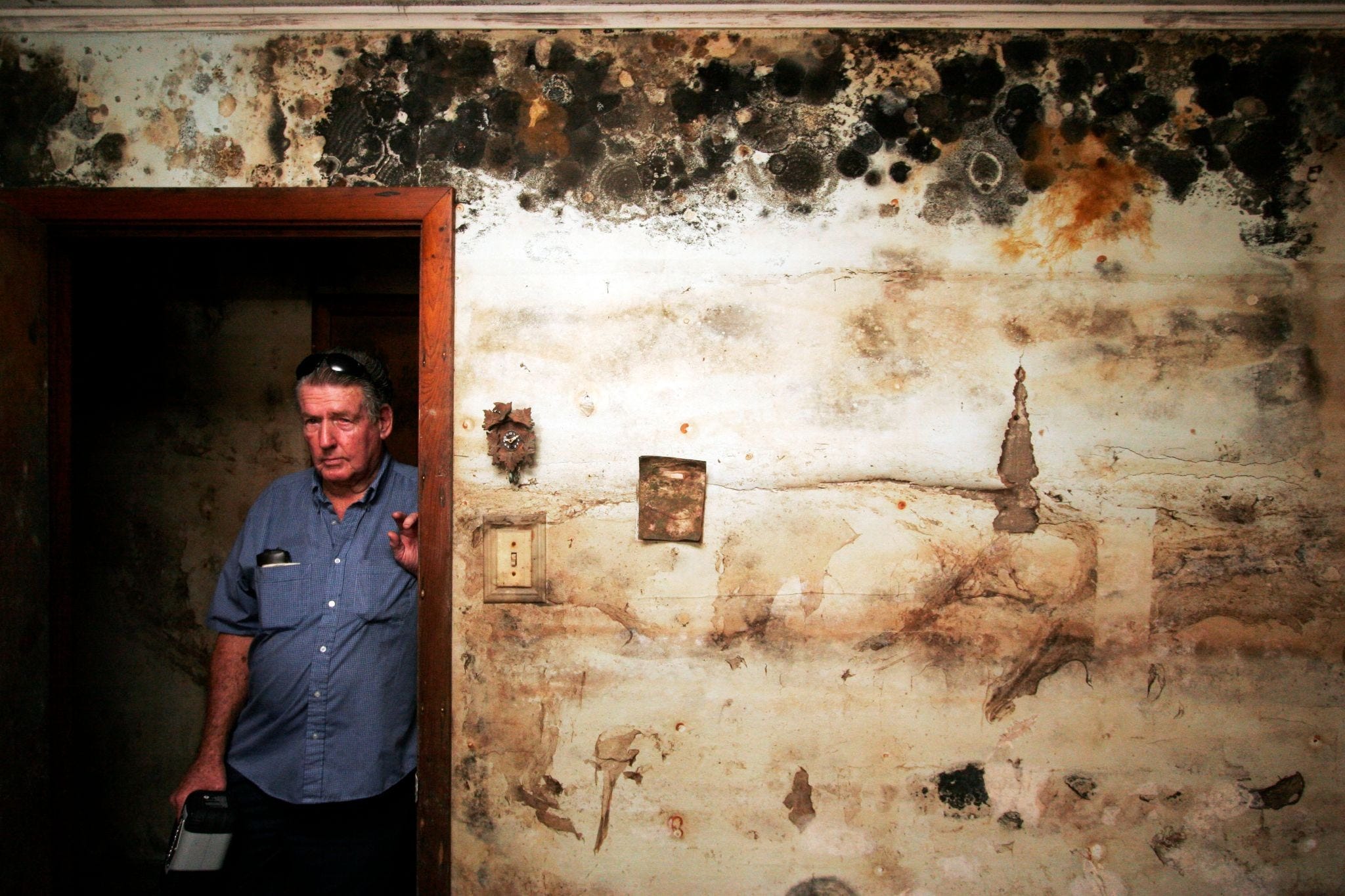
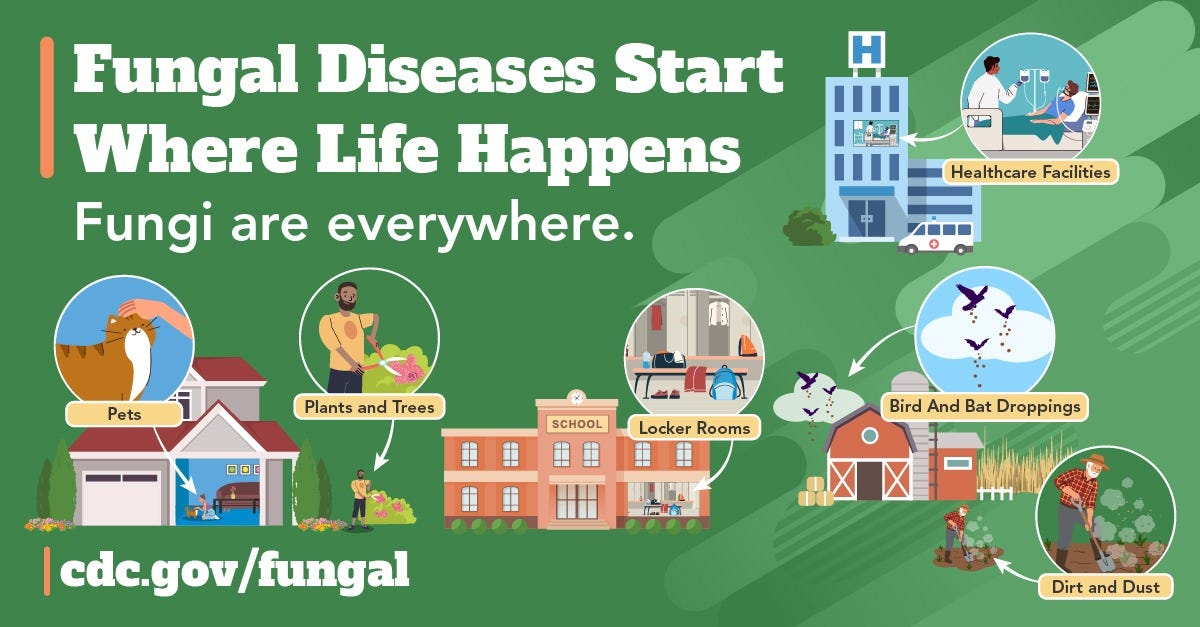
Mold spores are a normal part of the environment and are found almost everywhere; the problem begins when moisture allows them to grow indoors. And the source is not always obvious. Beyond damp basements and bathroom grout, mold can grow behind drywall and wallpaper, beneath carpet padding, above ceiling tiles, around leaking pipes, behind furniture where condensation collects, and even inside HVAC systems.
The health effects are substantial. The CDC says damp or moldy environments are associated with respiratory symptoms and infections, as well as worsening or new-onset asthma, hypersensitivity pneumonitis, allergic rhinitis, and eczema.
The World Health Organization concluded that people living or working in damp or moldy buildings may have up to a 75% greater risk of respiratory symptoms and asthma.
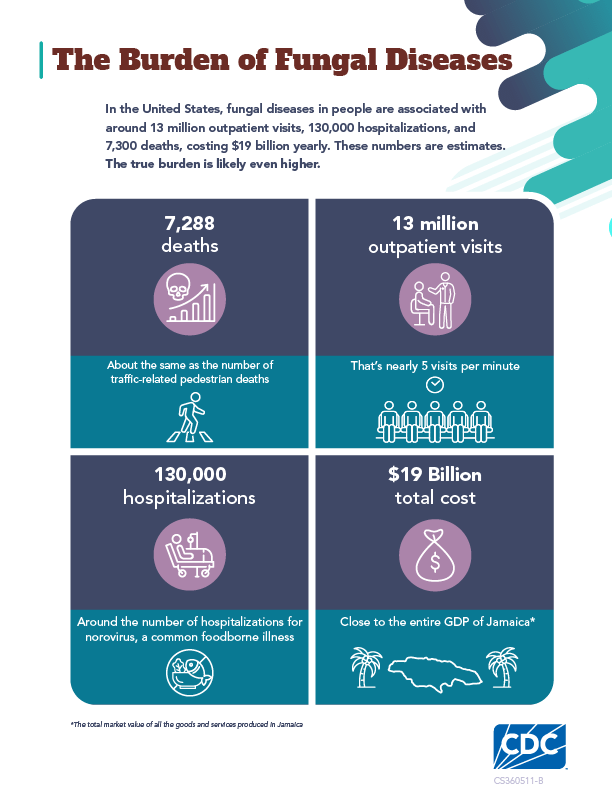
Fungal diseases more broadly are associated with approximately 7,300 deaths, 130,000 hospitalizations and 13 million outpatient visits every year in the United States, according to newly updated CDC estimates. The annual economic toll is estimated to be more than $19 billion. The CDC says those figures probably underestimate the actual burden because fungal diseases are frequently underdiagnosed and underreported.
Beyond coughing and wheezing
Kennedy used his son’s experience to press one of the roundtable’s biggest unanswered questions: whether chronic mold-related illness has a recognizable symptom pattern that medicine is still missing. He described severe brain fog and an unusual “bubbling” sensation in his son’s head, then asked whether researchers could use artificial intelligence to identify common symptom clusters and help physicians recognize affected patients sooner.

Peter Pappas, M.D. an infectious-disease specialist at the University of Alabama at Birmingham and a longtime fungal-disease researcher, told the roundtable that allergic fungal sinusitis remains poorly studied and that medicine still does not fully understand the health effects of chronic mold exposure. “We don’t really understand what all this mold exposure means,” Pappas said, adding that current diagnostics may also be inadequate.
That distinction is important. Evidence strongly supports links between damp buildings and respiratory disease, allergy and certain fungal infections. The science is less settled around the broader neurological, immune and other symptoms that patients and some clinicians describe as “mold toxicity” or chronic inflammatory response syndrome (CIRS).
Mystery patients
Some clinicians have spent years treating the kinds of patients Kennedy says conventional medicine may be missing.
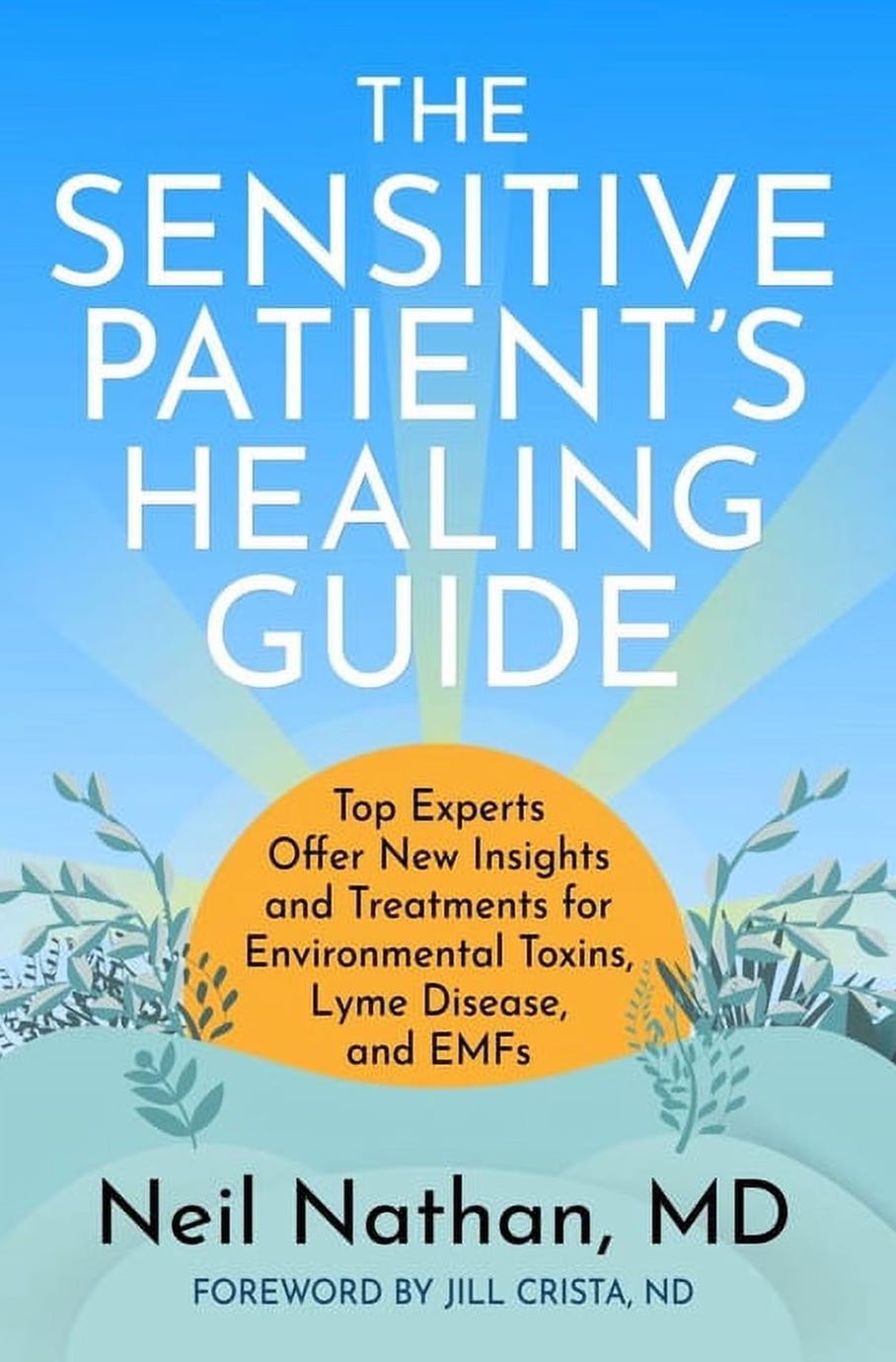
Neil Nathan, M.D., author of The Sensitive Patient’s Healing Guide, focuses on patients with complex chronic illness who become unusually reactive to medications, chemicals, foods and environmental exposures, including mold. He proposes that, in susceptible patients, mold exposure may interact with mast cell activation, nervous-system dysregulation and other inflammatory pathways.
Mast cells are immune cells that act as part of the body’s early warning system, releasing chemicals such as histamine in response to perceived threats. When mast cells become overly reactive, symptoms may include flushing, hives, swelling, wheezing, gastrointestinal cramping or diarrhea, headaches, dizziness and difficulty concentrating.
Nathan argues that some mold-exposed patients may experience more generalized symptoms such as fatigue, brain fog, sleep disruption and heightened sensitivity to foods, medications, and smells. Because of this patients can be unusually sensitive to treatment, sometimes requiring therapies to be introduced at very low doses and in a carefully sequenced manner.
Daniel Pompa, D.C. described a similar population during a recent MAHA Media Hub discussion, but focused on why mold can be so difficult to recognize in the first place.
“People don’t know,” Pompa said. “They don’t know that it’s biotoxic illness or they’re being affected by mold.”
He described patients with brain fog, sleep problems, fatigue, anxiety, aches, and other seemingly unrelated symptoms who may have already tried multiple diets, medications, or functional-medicine treatments without finding an explanation.
Pompa also offered one possible reason why only certain people become ill in the same environment. He describes a “perfect storm” in which physical, chemical, and emotional stressors accumulate until mold becomes one additional burden the body can no longer tolerate.
And he raised another question that closely mirrors Kennedy’s own: Is the way modern homes are built contributing to the problem? “We have created mold food on the back of every wall,” Pompa said, referring to the cellulose-containing paper used on drywall. “All you have to do is add water, and now you have a problem.”
Not all of the diagnostic approaches used in this field are well established. Pompa, for example, is skeptical of urinary mycotoxin testing, arguing that foodborne exposure can complicate the results. That disagreement underscores the central challenge Kennedy is now asking HHS to confront: patients may be sick, but medicine still lacks clear agreement on how to identify who is affected, which symptoms are attributable to mold, and which tests can reliably prove it.
HHS moves from awareness to action
In his closing remarks, Kennedy went further in outlining treatment and prevention strategies.
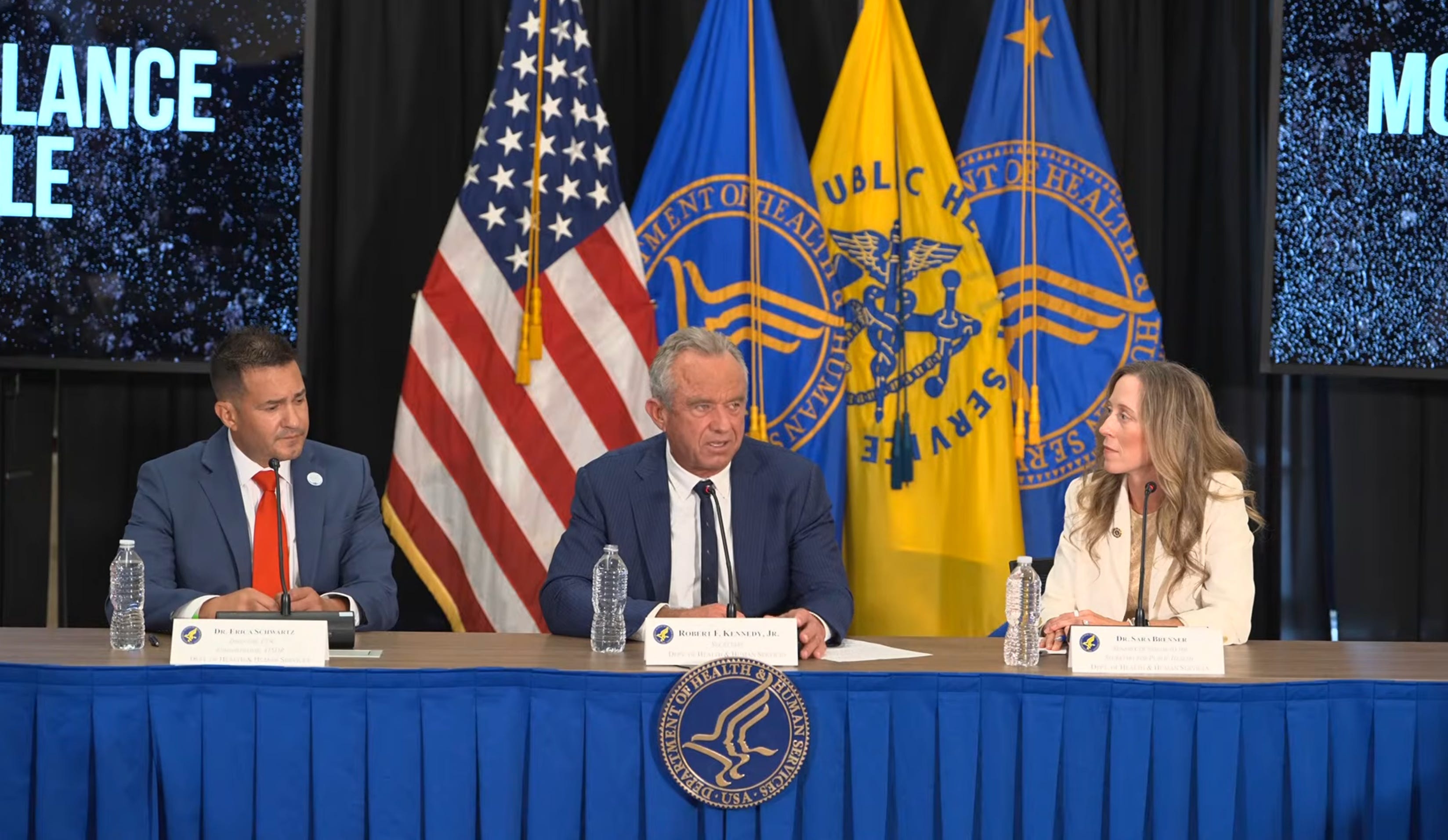
For patients who walk into a doctor’s office with unexplained chronic illness, mold exposure “is one of the first questions that should be asked,” he said.
That may be the most consequential shift to come out of the roundtable.
For years, medicine has had relatively clear frameworks for mold allergy, asthma and life-threatening fungal infections, while patients reporting broader neurological, inflammatory and multisystem symptoms after mold exposure have often occupied a much less certain space. Kennedy is now asking federal health agencies to investigate that gap rather than dismiss it.
The science may ultimately validate some explanations and reject others. But for the patients that Kennedy, Nathan and Pompa describe — the ones who have spent years moving from doctor to doctor without understanding why they are sick — the federal government is now acknowledging that there are unanswered questions worth pursuing.
The next step will be determining whether HHS can turn that recognition into better evidence, better diagnostics, and, ultimately, fewer patients left searching for answers.

The patient is bleeding out...
There are some out there who criticize those of us who continue to push to get the modified mRNA-LNP genetic transfection PLATFORM banned...
Some saying that because people can individually "just say no", that there's no need to pull the mRNA shots from the market or ban the platform...just ensure informed consent...
Some saying that their focus is on getting the toxins out of our food and environment, and that they don't want to take any "vaccine" choices away from anyone...
Let me use a triage analogy:
Right now, the patient is bleeding out, suffering from turbo cancer, and suddenly & "unexpectedly" dropping dead.
The immediate focus needs to be on stopping the thing that is killing the patient!!!
AFTER that, we can focus on optimizing the patient's health with nutritious clean food, clean safe air and water, etc.
The modified mRNA-LNP gene "therapy" transfection platform has, AND CONTINUES, to injure, disable, and kill an unprecedented number of people.
It is a genetic transfection platform that SHEDS ONTO OTHERS, potentially injuring those of us who said "Hell NO!" to those modified mRNA-LNP shots...
Thereby completely BYPASSING our fundamental RIGHT to INFORMED CONSENT and violating our bodily autonomy...
A genetic transfection platform that has already contaminated the blood supply...
A genetic transfection platform that can and has integrated into people's DNA...
A genetic transfection platform that has disastrously affected fertility and human reproductive capacity...
A genetic transfection platform that by its very design, is INHERENTLY & PREDICTABLY dangerous...
Toxic & inflammatory LNPs uncontrollably biodistribute systemically throughout the body and transfect the cells of tissues and organ inside the body, delivering the synthetic modified mRNA with instructions for those cells to produce/express foreign non-self proteins...
Triggering a PREDICTABLE immune system attack response, starting with the Killer T-Lymphocyte cells which will target and kill as many of those formerly healthy cells that are now expressing non-self proteins...Starting a cascade of harm/damage to cells, tissues and organs inside the body...
A genetic transfection platform that hijacks your cellular functions, reprogramming your own cells to produce toxic, inflammatory non-self proteins, thereby sentencing those very cells to death via your own immune system's normally functioning immune defenses...
It is a genetic transfection platform that, despite the unfathomable & horrific injuries and deaths, continues AND HAS EXPANDED.
Right now, the patient is getting turbo cancer, getting amyloid-like fibrous clots, suffering from life-altering and life-threatening neurological and autoimmune diseases, having their fertility and human reproductive capacity destroyed, getting myocarditis, having cardiac arrests and strokes, suffering from immune deficiency, experiencing immune system collapse...AND DROPPING DEAD.
We MUST 1st stop the thing that is KILLING THE PATIENT!!!
He rails against infectious disease research, so he's being super consistent again.