


The MAHA movement has been driven by a push to improve health outcomes for an undeniably sickened American population. This has included scrutiny of bogus mRNA vaccine claims of efficacy, and more attention to obvious vaccine injuries despite industry efforts to sweep them under the carpet. But as Health and Human Services Secretary Robert F. Kennedy Jr. has long explained, the vast majority of chronic disease in the United States has arisen from lack of exercise and the consumption of unhealthy processed foods.
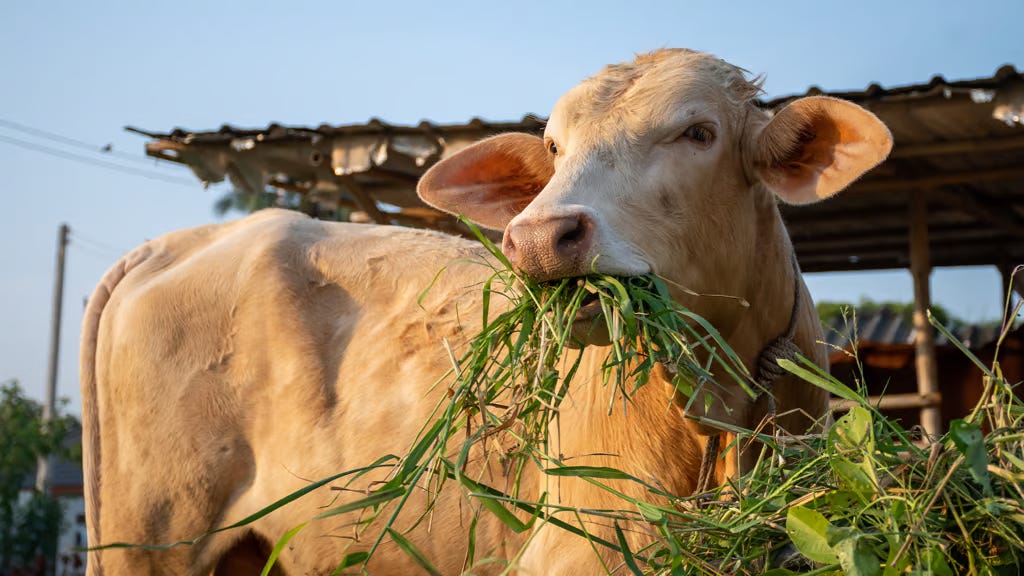
Even among those who agree with Secretary Kennedy, there’s a lot of confusion about meat – specifically, grass-fed versus grain-fed options.
In its new Dietary Guidelines for Americans (also known as My Plate, or the “food pyramid”), the USDA advises to “prioritize nutrient-dense foods and home-prepared meals.” Instead of high-carb diets, the new guidelines suggest increased intake of healthy fats and proteins, stating, “Prioritize high-quality, nutrient-dense protein foods as part of a healthy dietary pattern.”
And after decades of warning Americans that eggs are unhealthy and to be avoided, the new recommendations endorse “a variety of protein foods from animal sources, including eggs, poultry, seafood, and red meat.” This dramatic shift in the food pyramid reflects the powerful underlying cultural changes being achieved by the MAHA movement.
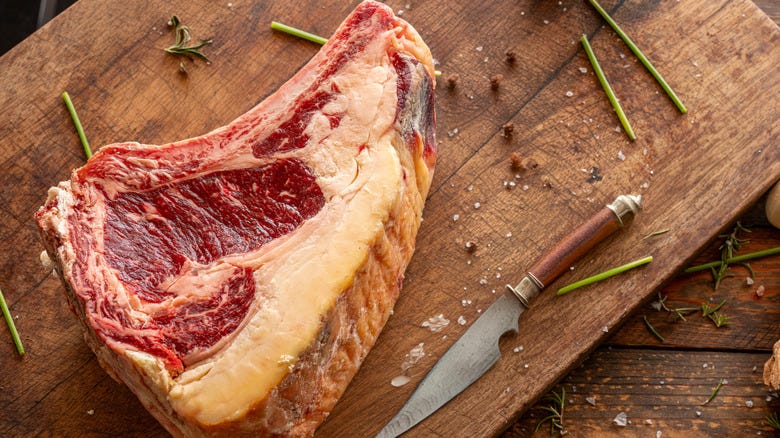
But what about beef? Yes, the new guidelines tell us to eat more meat, a terrific source of protein, but doesn’t it matter how the cows from which that meat comes were raised? Many people claim that grass-fed meats are superior to grain-fed options because they are healthier, more environmentally sustainable, and provide farm animals with happier lives. All three of these claims are true – with some qualifiers.
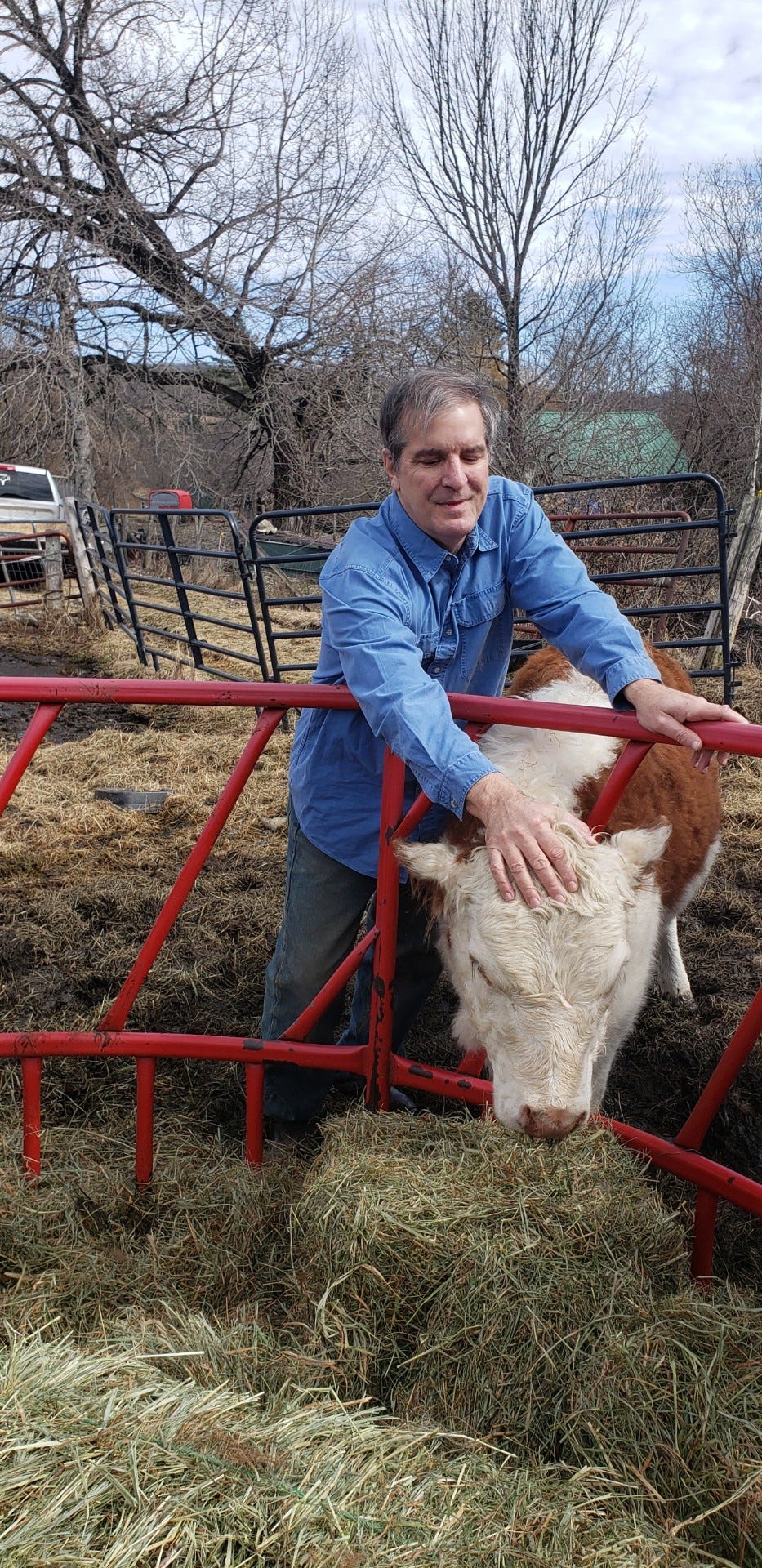
Let me explain: The backdrop for this controversy is several converging narratives that target our ancient bovine allies for removal from the human food chain: climate change, animal welfare, and human health. As a grass-fed beef farmer who has studied this issue for decades (and as an attorney well versed in logical persuasion), allow me to demonstrate the false premises behind all three of these justifications used to slander cows.
The Climate Change Narrative
Remember when Alexandria Ocasio-Cortez proclaimed a war on cow farts as part of the Green New Deal? So-called climate scientists had been claiming this for decades. This laughable lie about our cow allies has also been taken up by Greta Thunberg, Bill Gates, the WEF, Al Gore, and John Kerry.
Yet, rotationally grazed cows sequester far more carbon dioxide and methane in the soil than “rewilded” forests do, and exponentially more than hybrid cars. Beyond the fart focus, one needn’t be a farmer to understand that all those plants that are supposed to replace cows require fertilizers. Manure is a natural fertilizer that rebuilds soils, feeds soil microbes, and breaks down industrial toxins in the process. (Hybrid cars, not so much.) Synthetic fertilizers pollute far more than cows, destroy soils, increase water loss, and sequester zero carbon dioxide. (Urea is made from natural gas, aka methane.)
But it’s worse than that. The globalists and multinational corporations claim that industrial agriculture, employing GMO technologies, is the “only way to save the world” from climate change. Yet GMO crops are dependent on glyphosate (a weed killer against which GMO crops have genetic immunity), synthetic fertilizers, and numerous pesticides. All of these deplete soils of nutrients, accelerate erosion, and increase water loss. How is this better than cows? Answer: It isn’t. Not in a million years!
Note also that AOC did not declaim non-food practices that visibly do hurt the environment, such as mowing hundreds of millions of acres of lawns using fossil fuels, flying around in jets, tooling mowed greens in golf carts, or being carted up a mountain to ski back down (on man-made snow, sucked using fossil fuels from depleted trout brooks). Even if climate change is caused by human action, these supposed cures all exhibit tell-tale signs of fraud: fear used to solicit massive funding for industrial “solutions” that pollute far more than they are peddled to replace.
Once upon a time, Americans focused on carcinogens and endocrine disrupters when evaluating pollution, not innocuous carbon dioxide. For instance, cows do not generate the chemical pollution produced by the lithium mining and excess rubber tire consumption required for that hybrid cars. The MAHA movement has renewed public focus on toxins, microplastics, and food quality. Cow flatulence is not the problem.
The Animal Welfare Narrative
All people should be concerned about animal welfare, but not all farm animals are subjected to factory housing, hormones, or routine administration of antibiotics. Many animal rights activists assert that humans should not eat or profit from any animals. This is an argument not for better lives for farm animals, but for no life at all.
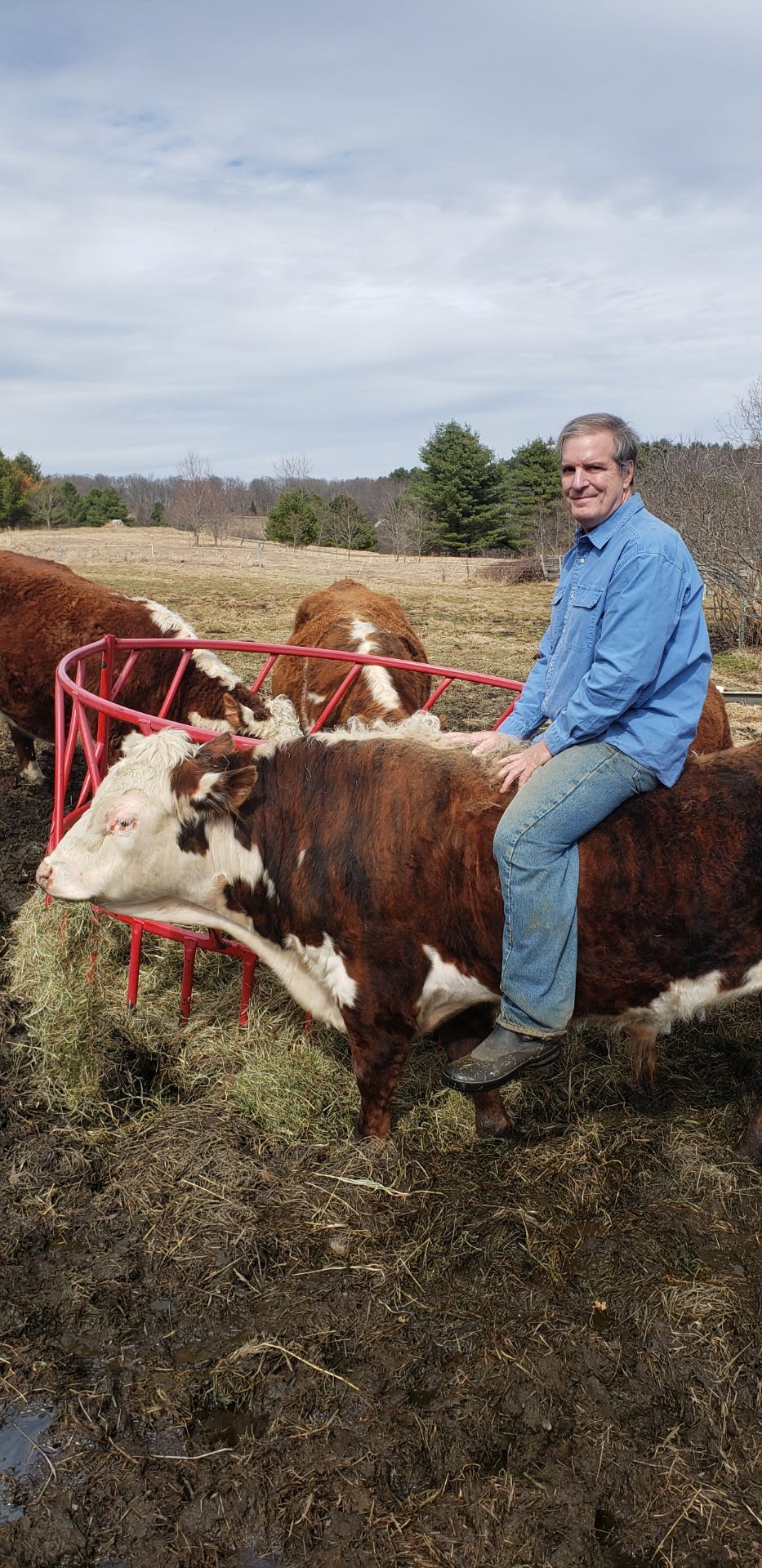
I have raised beef cows for 25 years, and they are never without food, water, and shelter. If humans stop eating beef, my cows will be out of a job and out of a life. Right now, my females (cows) live a long life, and the bulls are sold for meat or breeding to pay for the mothers’ feed. Cows eat a LOT, so it is not feasible to keep them as pets.

The oldest recorded lifespan for a cow is just shy of 49 years, by an Irish cow named Big Bertha. There are over 86 million cows in the United States – they cannot all live in zoos, but if the animal rights crowd has their way, that is the only place humans will see cows in the future. (Meanwhile, their landscape views will widely disappear as fields regrow and there are no more cows to watch ruminating pleasurably on hillsides.)
The Human Health Narrative
There will always be debates about the relative merits of vegetarian or vegan versus meat-eating diets, in part because one diet doesn’t fit all humans. Some people are lactose- or meat-intolerant: pregnant, elderly, or lactating women especially benefit from the nutrient density of wholesome meats.
The evidence that red meat is bad for humans is largely linked to preservatives (processed meats are less healthy) and carcinogens emitted during cooking. There is no question that red meat also contains numerous healthy nutrients – it is not true that eating meat is bad for human health.
Neither is it necessarily true that a vegan diet is superior. In addition to the well documented potential for plant-only diners to suffer from various nutrient deficiencies, many plant-based offerings are highly processed and unhealthy.
Consider that plant-based meat substitutes are almost all manufactured using GMO monoculture crops (particularly soy, corn, and oats) tainted with glyphosate and other chemicals, to which are added the usual myriad of food “additives” to enhance flavor, stimulate appetite, etc. Just because something is made from plants does not automatically make it healthier. Grass-fed hamburger is far healthier than many of the chemical-laden replacements the corporate world has concocted to replace it.
Grass-fed Beef Studies
Grain-fed livestock grow faster than animals raised on grass-only, but they are largely dependent on the corn and soy GMO monoculture crops that are in turn chemical-dependent. In addition, grass-fed feeding proponents argue that the meat from grass-fed animals is healthier than grain-fed.
Studies consistently show that properly managed grass-fed beef production yields healthier products for consumers. A March 2026 study concluded: “Animals finished on biodiverse pastures exhibited fatty acid profiles characterized by higher omega-3 to total polyunsaturated FA content, resulting in a higher omega balance (r = 0.30, P = 0.02).”
This and other studies found variations in nutrient content, likely linked to soil health and the specific practices employed. Not everything labeled grass-fed is truly raised on grass. However, the overall picture shows that grass-fed beef and other grass-fed meats are higher in nutrients and healthy fats than their grain-fed counterparts.

An anecdotal example of the benefits of grass-fed beef has been provided by MAHA supporter Dr. Eric Berg, who employs regenerative soil conditioning practices on his Virginia farm. Dr. Berg had his meat tested by leading nutrition scientists. The testing concluded that his beef was especially high in phytochemicals, naturally occurring plant-derived compounds that may offer strong antioxidant and anti-inflammatory benefits. Some of the Berg samples achieved extremely high phytochemical scores. The testing report noted: “This total phytochemical score was 4.3-fold greater in the Berg samples than the amount we typically observe in grass-fed beef samples and 8-fold higher than the grain-fed average.”
Soil health and plant diversity appear to be the chief determinants of animal nutrient content. Grass-fed meats, if ethically and regeneratively raised, consistently provide healthier options for meat eaters.
Consumer Demand and Farm Economics
Consumers want healthier foods, and they have learned that grass-fed meats contain more nutrients and are unlikely to contain antibiotic or hormone residues. Many consumers are not interested in meat or milk substitutes. Many vegans are realizing that plant-based substitutes can often be very unhealthy and highly processed. Young people are leading the way in this dietary preference.
The U.S. imports organic meats that it could grow on its own shores. America is not currently able to meet the domestic or foreign demand for grass-fed meats: this is a huge economic opportunity for U.S. farmers who genuinely implement regenerative practices, rotational grazing, and grass-fed practices.
Yes, Grass-fed is Best!
So, whether it is to protect the environment, improve human health, enhance animal welfare, or grow the economy, grass-fed animal husbandry is the best path forward.

Really good article BUT I wish the lie that carbon dioxide is responsible for global warming would just go away.
Mollie Englehart, a world renowned vegan restaurant owner in California, is now a cattle rancher in Texas. Her story of understanding the “food chain” and cycle of life is phenomenal.
(Wise Tradition podcast)
The Weston Price website has stories regarding the wisdom of cows whose purpose appears to be domestication and service to humans.
The mitochondria in cells makes 2/3 of its energy from light, eating food with as much light (life) energy as possible makes sense for people and cows, supporting “grass fed”.