


By Claire Dooley, Contributor, The MAHA Report
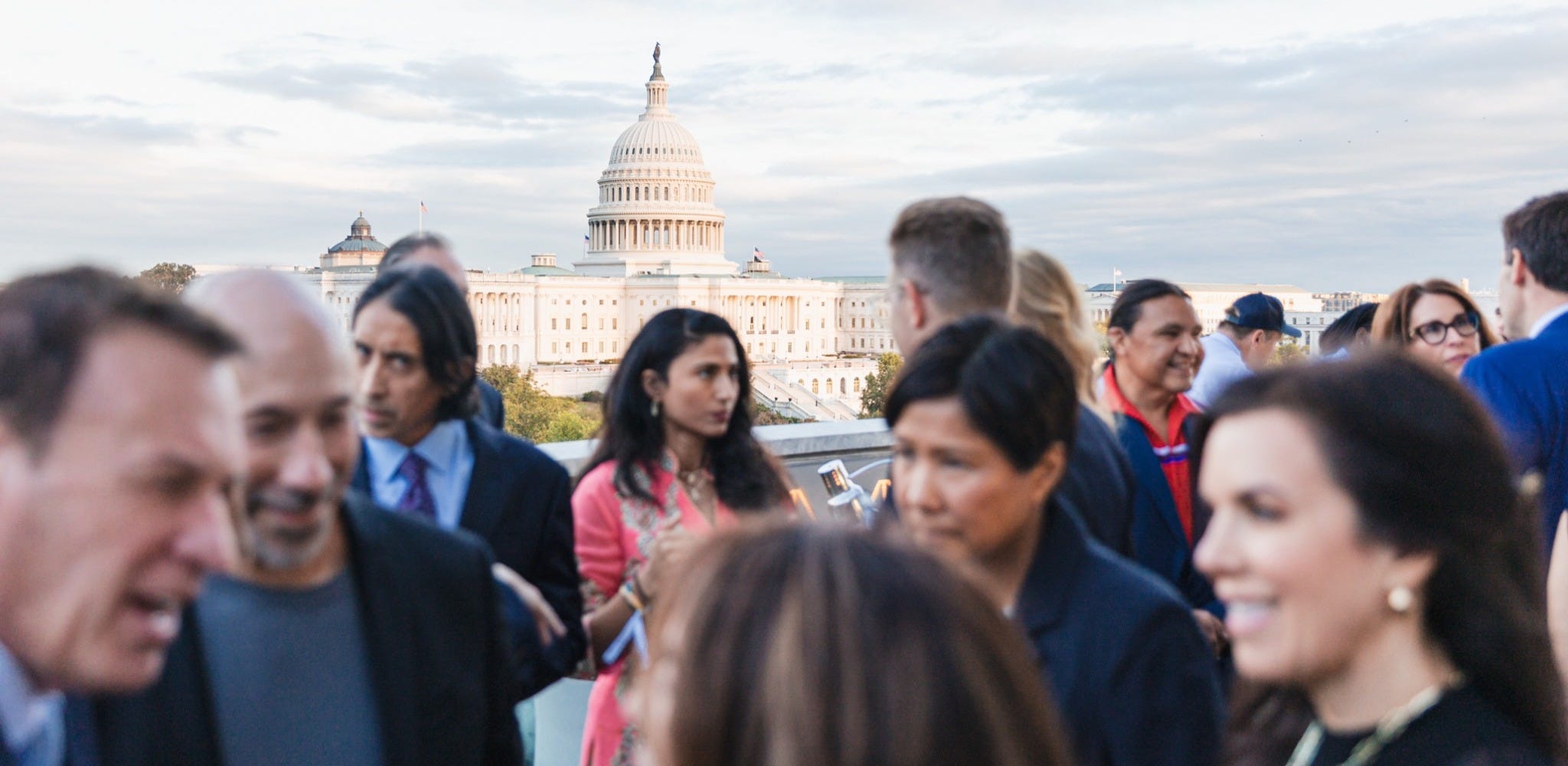
As the sun set over Washington, D.C., the Capitol Building was bathed in warm evening light, an awesome backdrop for a room filled with a different kind of energy.
Last Monday evening, health advocates, physicians, researchers, government officials, entrepreneurs and activists gathered in the nation’s capital for the MAHA Summit Welcome Reception, kicking off a week focused on what organizers described as a growing movement to transform the way Americans think about health and chronic disease.
The atmosphere was electric and celebratory. Fresh, healthy food filled the tables and a featured MAHA mocktail was on the menu as attendees mingled and prepared for the summit ahead.

Following a hiphop number from music artist DPAK, Tony Lyons, president of MAHA Center, opened the evening by describing the gathering as a sign of how dramatically the national conversation around health has changed.
“We’re making the tent much bigger,” Lyons said. “We don’t want to exclude anybody. We want to bring everybody in because we want to end the chronic disease epidemic.”
The message was repeated throughout the evening: the MAHA movement is a driving force behind the cultural revival towards health, wellness, and longevity.
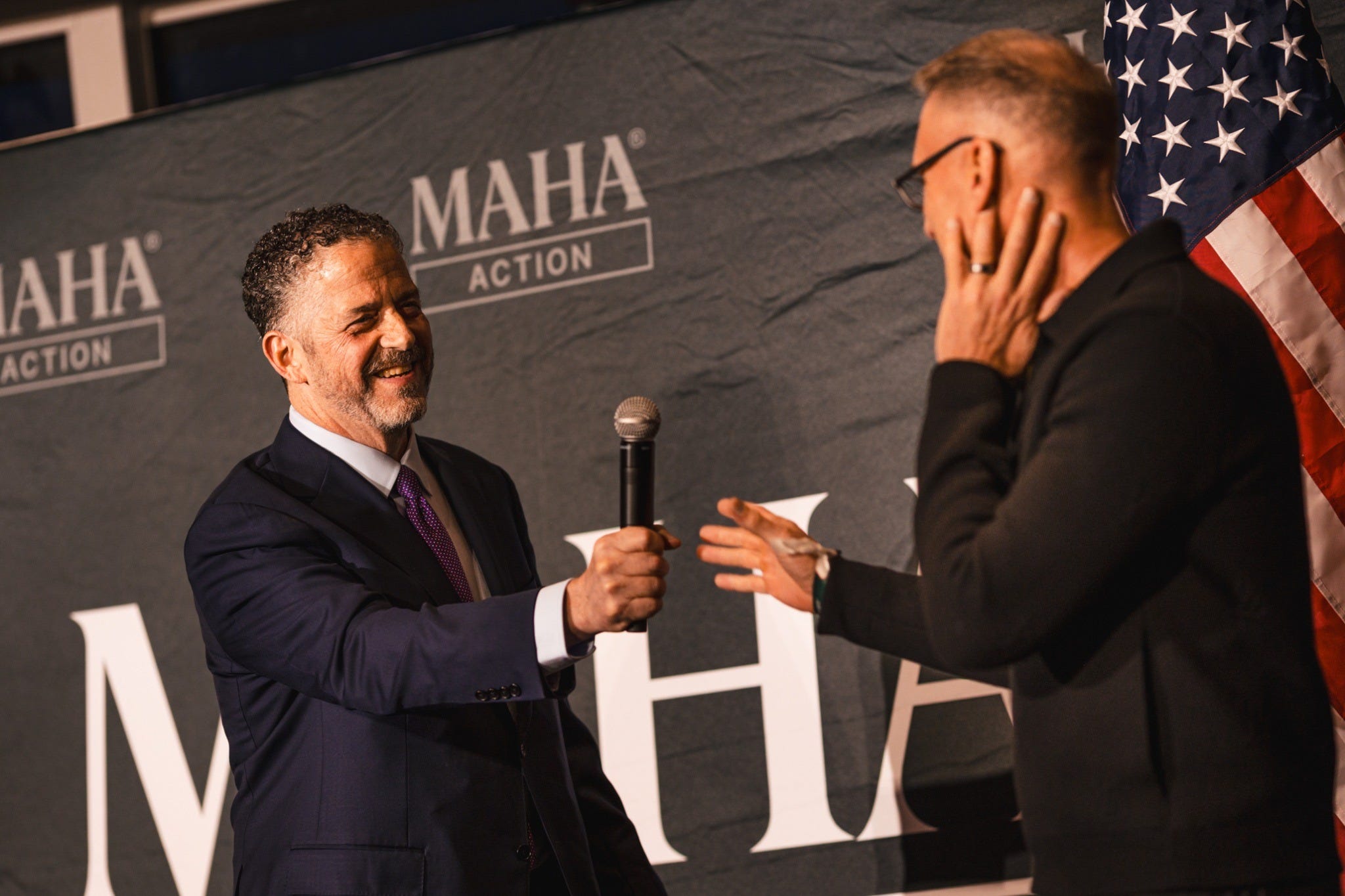
Gary Brecka, a human biologist and data scientist, told attendees that he had spent the previous 16 days traveling to 14 cities and found the same message resonating across the country and world.
He also pointed to consumer behavior as one of the most powerful forces driving changes in corporate America.
“When consumer behavior changes, corporate behavior changes,” Brecka said.
Russell Brand: “The Conversation Has Changed”
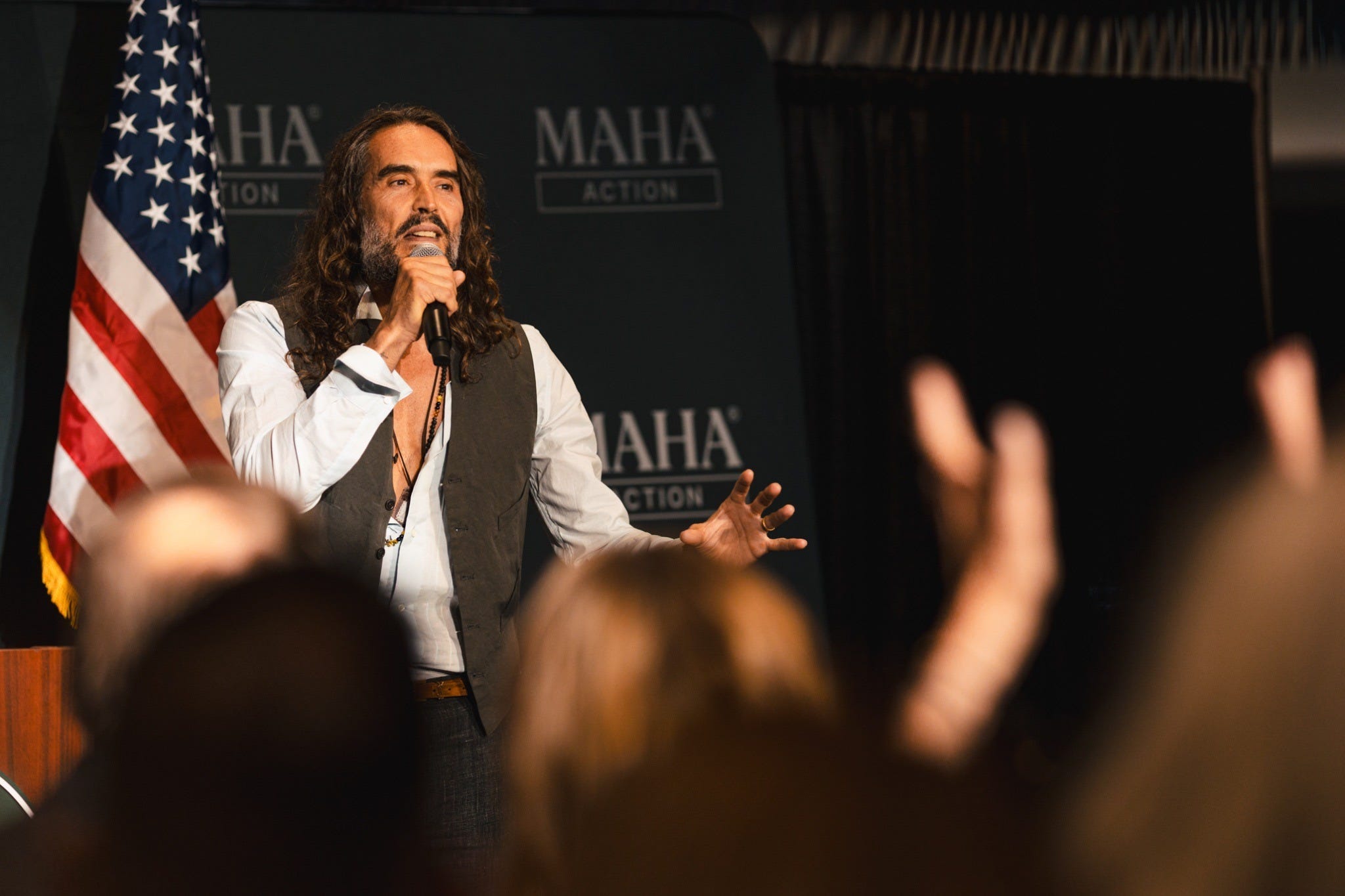
Comedian and commentator Russell Brand brought a more theatrical energy to the evening.
“America spends more money on health than any other nation in the world, and you’re still not as healthy as British people,” Brand said. Then, in characteristic Brand fashion, he added, “And we live basically on, I don’t know, I mean fish and chips, heroin.”
But beneath the humor, Brand argued that the conversation around health and medicine has changed dramatically. He pointed to the debate surrounding vaccines and autism as an example of subjects he said could once barely be discussed publicly. “You’re allowed to say that now,” Brand said.
For Brand, the significance of the moment was not that one isolated administration was taking up these questions, but that years of pressure from parents, researchers and advocates had helped force a conversation that could no longer be ignored.
From Puerto Rico to HHS
After a loving introduction from Cheryl Hines, Roberty F. Kennedy Jr., Secretary of HHS, took the crowd back nearly three decades to one of the more colorful chapters of his environmental career.
In 1999, while working as an attorney for Waterkeeper, Kennedy was contacted by the mayor of Vieques, an island off Puerto Rico where the Navy had conducted artillery testing and bombing exercises for decades. Kennedy described contaminated water, crops and fish, a devastated ecosystem with residents facing serious health problems.
After pursuing the case through the courts and winning an appeal, Kennedy said he had exhausted his legal options. When civic leaders asked him to join a civil disobedience action, he agreed. Before going, he asked how long he might have to spend in jail.
“They said just a day or two days at the most,” Kennedy recalled.
He ended up on a small fishing boat with actor Edward James Olmos, heading toward the live-fire zone, pursued by the Coast Guard, SWAT teams and a helicopter.
When they reached the island, Kennedy ran and hid.
“I dug a hole under a root in a mangrove swamp, and I sprinkled twigs on myself,” he said.
The soldiers searched for him, calling out, “Mr. Kennedy, Mr. Kennedy,” but couldn’t find him.
“So finally they sent dogs in,” Kennedy said. “And the dogs found me.”
He was ultimately sentenced and spent the entire summer of 2001 in a maximum-security prison in Puerto Rico.
“But it was actually the best summer of my life,” Kennedy said. “I didn’t have any cell phone. Nobody could get me. I didn’t have to make any decisions, and I had mailed myself all the books that I had been planning to read for 20 years, and I just read them all summer, and it was great.”
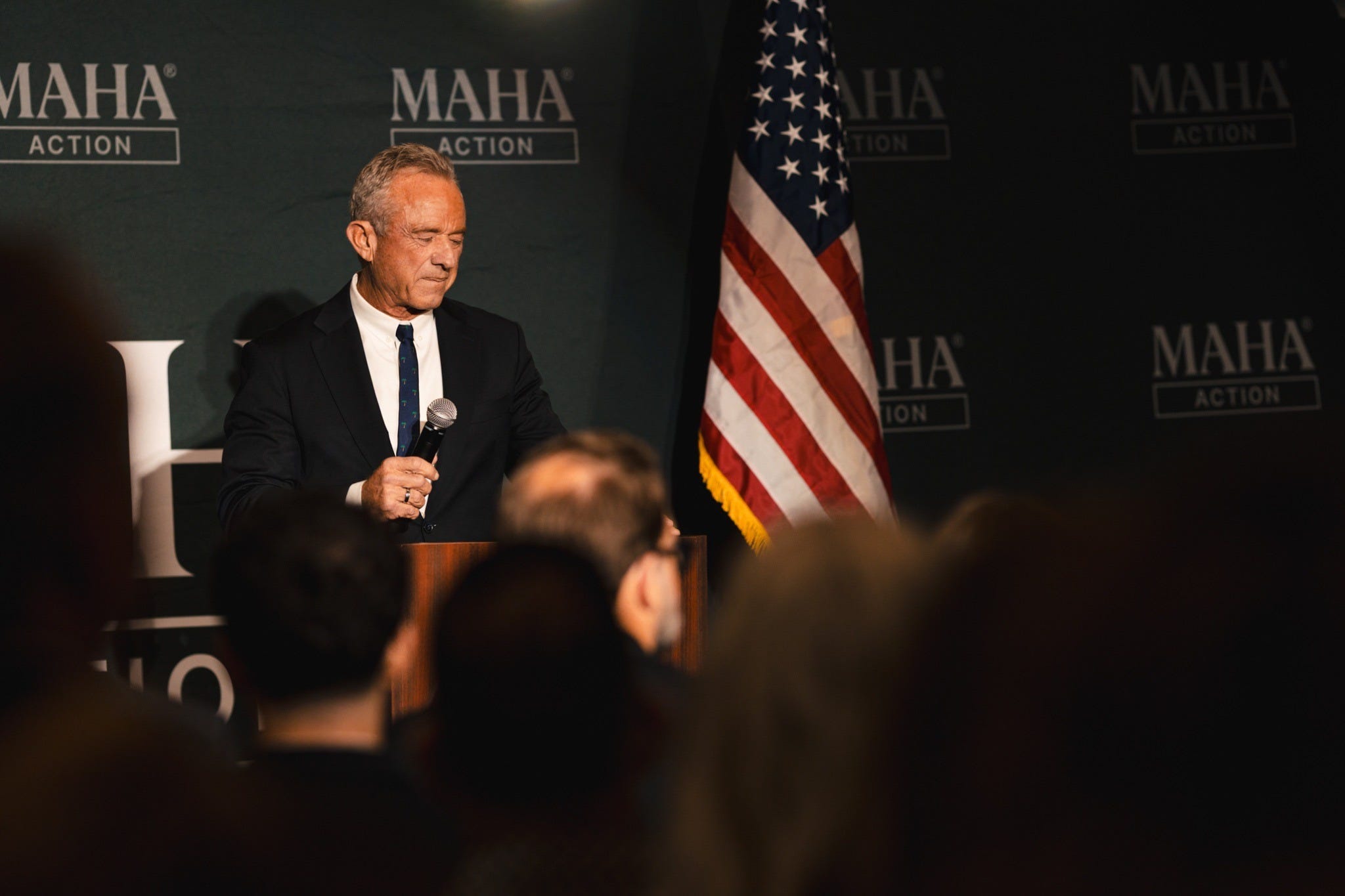
Two decades later, Kennedy returned to Vieques, this time to help open a hospital on the island. For Kennedy, the journey from being arrested on Vieques to returning as HHS secretary to open a hospital provided an poignant opportunity to reflect on how much can change over a lifetime.
He then turned to the larger changes he said are underway at HHS. “I can tell you this, that this change is coming and that it is real,” Kennedy said. “And that even if I got hit by a truck tonight, HHS will never go back to what it was before.”
Kennedy described a federal health system in which information has historically been divided among different computer systems, agencies and data protocols, making it difficult for researchers to see the full picture. The goal now, he said, is to make that information research-ready. Rather than studying individual pieces of the chronic disease puzzle in isolation, Kennedy described a system capable of looking horizontally across diseases and vertically through an individual’s life.
He gave the example of being able to follow a child beginning before conception and through the first 10 to 15 years of life, examining the many environmental and health factors that could influence that child’s development. Artificial intelligence, he argued, could dramatically accelerate this process. “We can do studies in minutes that used to take years,” Kennedy said.
He credited the researchers, advocates and especially mothers who had spent years demanding answers about chronic disease and childhood illness. “We’re about to have our day in the sunshine,” he said.
From “Eat Real Food” to Federal Policy
Change is already afoot within the government, said Stefanie Spear, Kennedy’s Principal Deputy Chief of Staff and Senior Counselor. She highlighted the improved coordination and collaboration between HHS, the FDA, USDA, EPA and the White House. Rather than addressing food, health and chronic disease in isolation, the agencies, she said, are increasingly working together on overlapping issues, from dietary guidelines and food ingredients to real food in schools and broader disease prevention.
“We’re all challenging the status quo,” Spear said, pointing to the cooperation as an important part of the administration’s approach to health policy.
Among the initiatives discussed were reforms to the FDA’s Generally Recognized as Safe (GRAS) system; efforts to address petroleum-based synthetic food dyes; changes to dietary guidelines; and the expansion of real food programs in schools, hospitals, and the military.
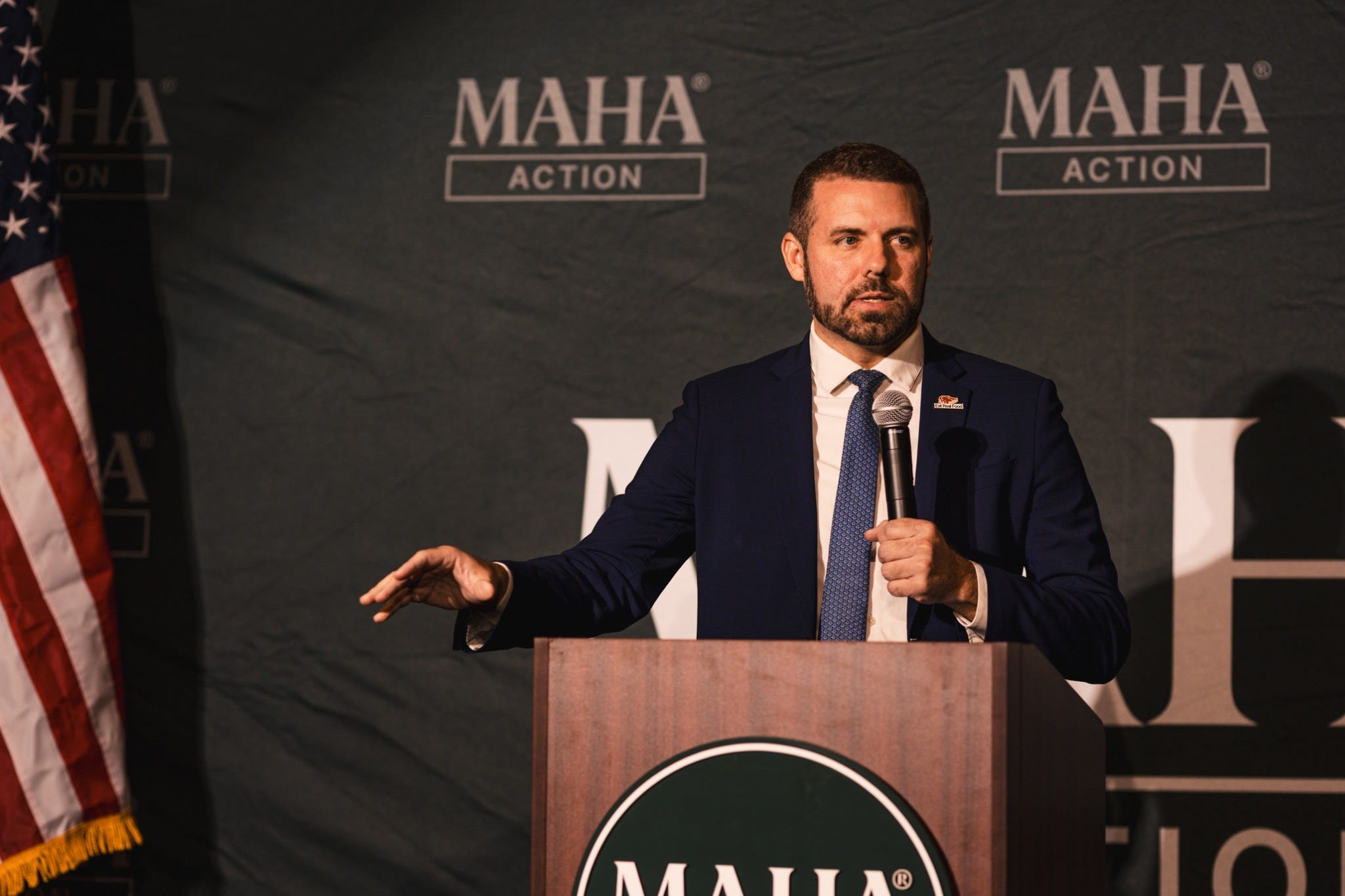
Kyle Diamantés, acting head of the FDA, described arriving at the FDA and discovering how difficult it was to answer seemingly basic questions about the chemicals and ingredients entering the American food supply. He said the agency had previously been able to review only one chemical each year, to which the crowd gasped.
Diamantés said real food sales had increased 8 percent year-over-year and pointed to declining obesity rates as another marker he associates with MAHA’s momentum. He acknowledged that critics attribute some of those changes to the rise of GLP-1 medications, but argued that the broader shift in consumer behavior and public awareness should not be overlooked, citing real food sales are up 8%.
A Movement Larger Than Government
The reception repeatedly returned to the idea that MAHA is becoming a coalition that extends beyond Washington. Lyons described the movement as the culmination of decades of work by people who had spent years researching and raising questions about chronic disease. Many of those individuals, he noted, had been doing this work long before it became politically popular. Kennedy similarly thanked the mothers, researchers and activists who had continued pushing for answers even when their concerns were dismissed.
The evening also featured voices from outside government, including prevention advocates and representatives from the private sector.
Adi Banti turned the conversation toward prevention, using diabetes as an example of the devastating consequences of chronic disease. “Diabetes is the leading cause of lower limb amputation,” Banti said, noting that half of those who undergo an amputation die within five years. He argued that addressing chronic disease earlier requires bringing together government, healthcare, businesses and communities to shift the focus from treating complications to preventing them in the first place.
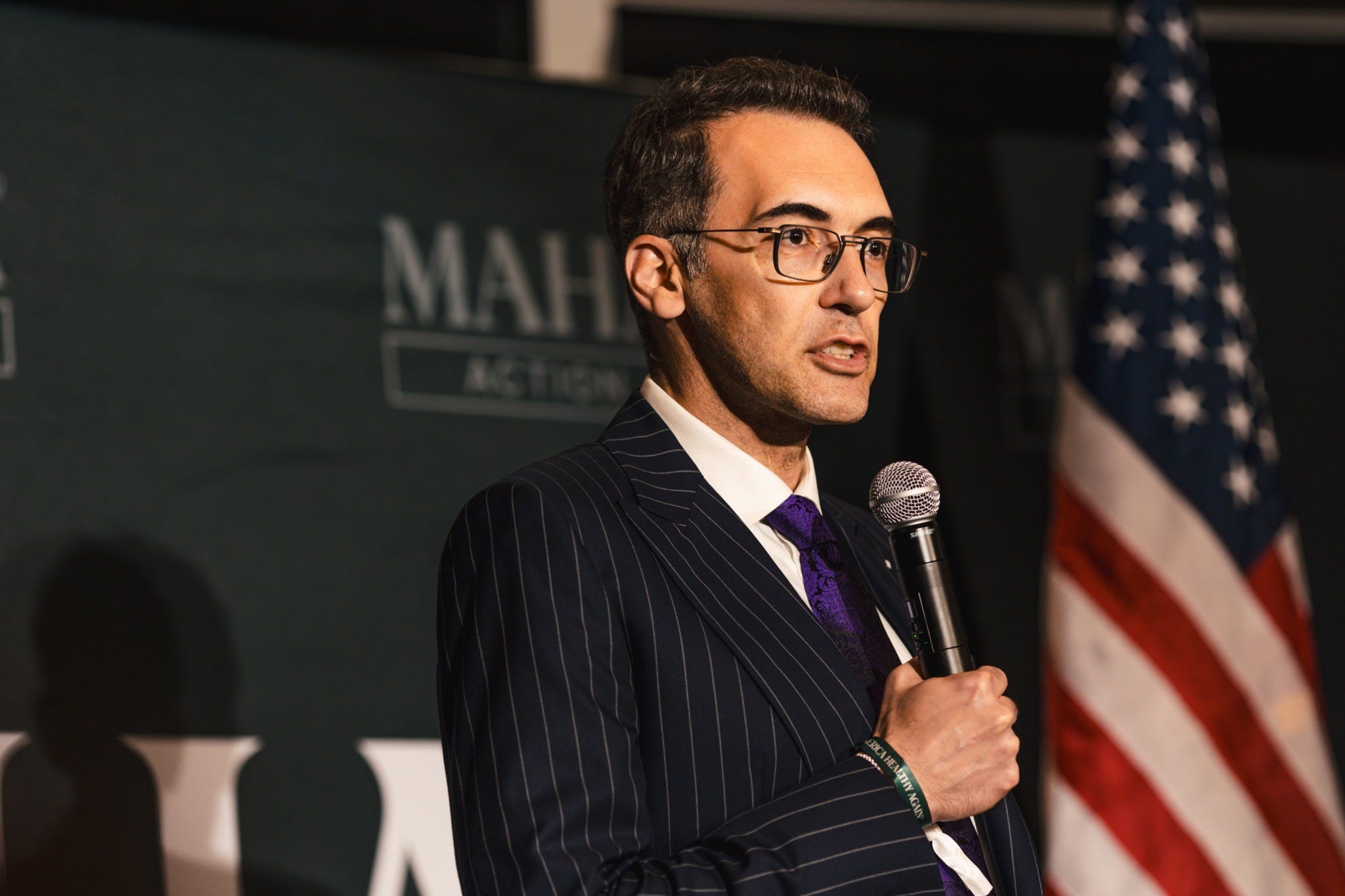
Amir Ali Palces of Guardant Health discussed new approaches to colorectal cancer screening and the potential of public-private partnerships to expand access to preventive medicine.
“The Beginning of a Revolution”
The illuminated Capitol framed the party’s terrace as attendees continued talking, eating and preparing for Tuesday’s MAHA Summit.
Lyons closed by looking back at the decades of activism that brought the movement to this moment in Washington and looking to what he believes comes next.
“This is the beginning of a revolution,” Lyons said.
Whether that revolution ultimately changes American health will depend on what happens beyond the speeches and receptions: how policies are implemented, how research is conducted, what companies produce, what consumers buy and how families live.
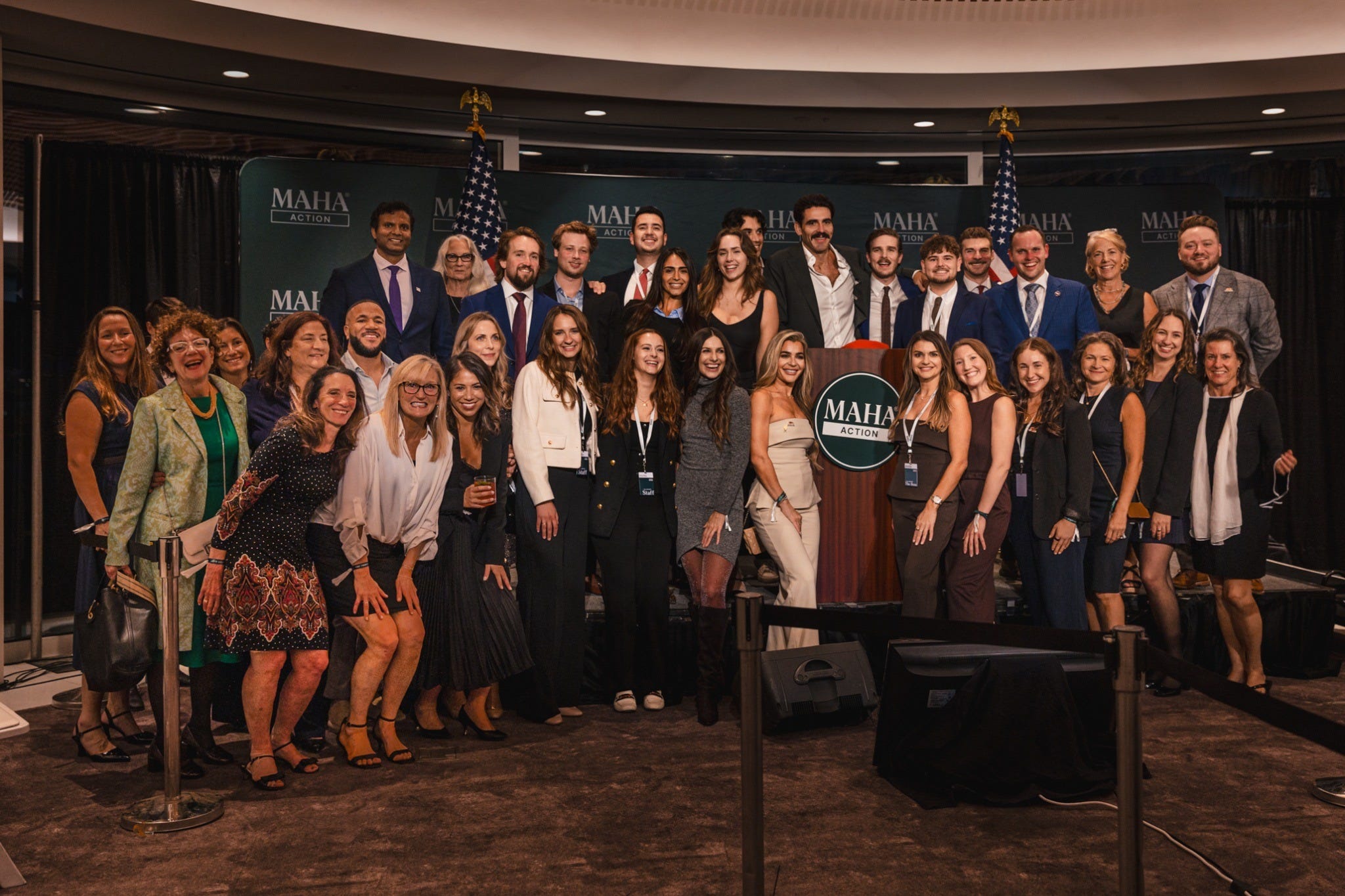
But for one evening in Washington, the message from the MAHA Welcome Reception was unmistakable: the conversation and culture of American health has changed. By the following morning, that conversation would move from the reception floor to the stage at the MAHA Summit, where the work of turning momentum into action would continue.

"He gave the example of being able to follow a child beginning before conception and through the first 10 to 15 years of life, examining the many environmental and health factors that could influence that child’s development. Artificial intelligence, he argued, could dramatically accelerate this process. "
Um, okay. And this is a good thing?
SARS COV-2 mRNA gene therapy has apparently left the room.
Why?