

By Brie Cox, Special to The MAHA Report
On Tuesday, March 24, 2026, the Commonwealth of Kentucky passed Senate Bill 5 into law to expand access to fresh, locally-sourced food while supporting Kentucky farmers by making it easier for schools to purchase Kentucky-grown products.
This half-page bill becomes immediately effective and strengthens farm-to-school efforts to improve student health and wellness through nutrition and local agriculture, as a part of the “Food is Medicine” initiative championed by Kentucky Agriculture Commissioner Jonathan Shell.
This is good news for Kentuckians, for MAHA enthusiasts, and for the nation.
I’ve worked in rural healthcare for nearly a decade across the Central Appalachian region, serving communities with a 41% obesity prevalence, 20% diabetes rate, and a nation-leading incidence of heart disease. It has become a personal mission to force the system to do better. Under HHS Secretary Robert F. Kennedy’s administration, we are attacking these co-morbidities simultaneously, exposing the stark truths and root causes, and inspiring purpose.
In Kentucky and other states, I have assisted healthcare systems, state agriculture departments, and community organizations to tirelessly collaborate and address the reasons for food deserts, severe socioeconomic stress, and other health-related problems. This coordinated, regional approach aims to shift generational, lifelong chronic disease trajectories, beginning with the next generation.
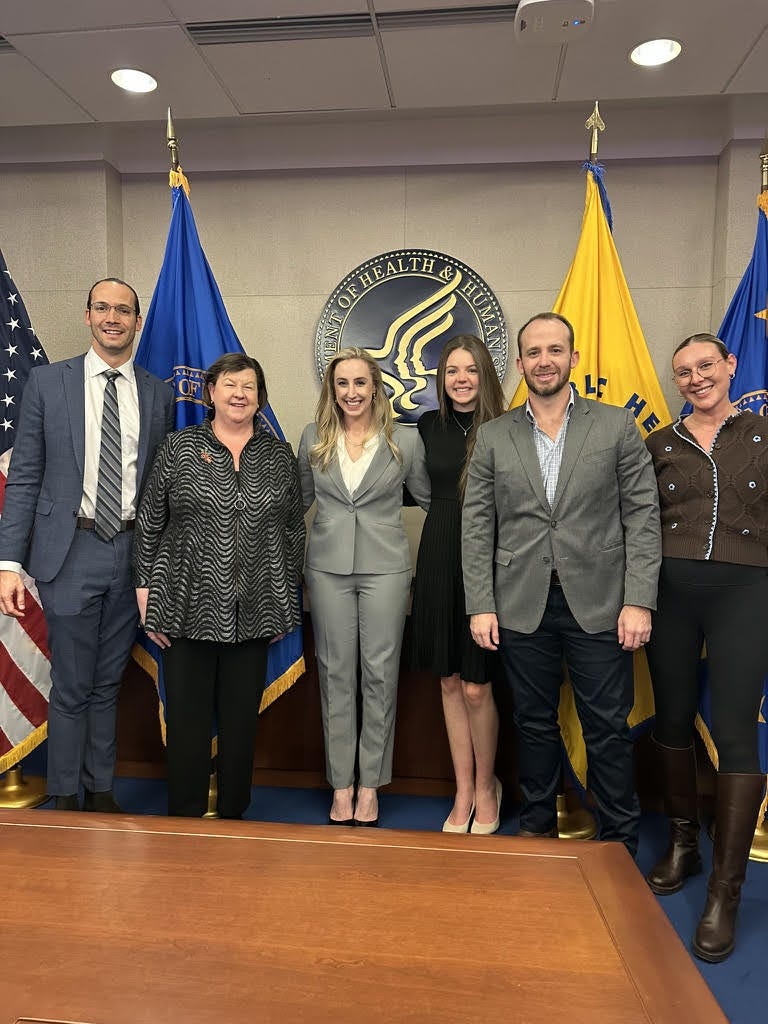
Sitting in Secretary Kennedy’s conference room in mid-December, I recalled the October 2025 Tufts Food Is Medicine Institute’s Annual Summit, during which a California farmer stated, “Food Is Medicine is the single largest opportunity for farmers in this lifetime.” It is also the single largest opportunity for public school children, medical patients, military personnel, including veterans, and SNAP beneficiaries.
That has resonated with my policy thesis, which uses local food as a primary health intervention. With 30-60% of all children’s calories consumed at school, we are remiss if we do not capitalize on this time-sensitive opportunity.
Enter a new strategy: Kentucky’s Local First School Nutrition Policy. In practice, it creates convenience and ease for locally-sourced, state-grown produce and protein before selecting an option from Big Food’s portfolio.
Only aspirational? Hardly.
“I’ve been following Kentucky for some time now and they are doing a lot of things right, including leading on the intersection of ag policy and the nutrition agenda,” said John Klar, a contributor to The MAHA Report and a grass-fed beef farmer from Vermont. “Kentucky understands the importance of supporting its farmers in order to provide nutrient-dense foods to its citizens!”
In Kentucky, 81% of schools qualify as Title I, meaning students at qualifying schools are eligible for free or reduced-price meals. That accounts for 98+ million school-year meals, totaling 130+ million meals annually, including both school meals and summer feeding.
But what are they eating? Ultra-processed food. And the health status impacts? Abysmal.
In Appalachia, Kindergarten children who are hypertensive trend toward diabetic or pre-diabetic diagnoses by eighth grade and are then poised to have non-alcoholic fatty liver disease before they graduate from high school. This cycle cannot be sustained, nor can the system afford its costs.
The front-end solution to drive investment, prevention, and nutrition is to serve real, local, nutrient-dense food at school with a curated “easy button” to eat real food. Implementation requires leaders to painstakingly uncover and address every nuance, form, and inch of red tape.
The funding exists—the policy, until recently, did not.
From an HHS perspective, a premier school food model connects basic elements, such as menus and kitchen equipment, with the new Dietary Guidelines. In Texas, for example, the Department of Agriculture administers more than $2.5 billion annually for nutrition programs and serves 1.5 billion school meals to more than three million children, with a strong interest in cooking process improvements.
Kentucky’s GOP-elected Agriculture Commissioner, Jonathan Shell, has been bullish on a Nutrition Agenda following statewide momentum from his Food Is Medicine (FIM) Initiative. That initiative, focused on community health activities through acute patient care support, is driving agricultural economic development. The resulting public-private partnership connects the Department of Agriculture and the Kentucky Hospital Association. To date, 50+ of the state’s 129 hospitals have self-identified as actively engaged.

Shell’s Local First School Food Nutrition policy now takes center stage in the 2026 Kentucky General Assembly in collaboration with the Kentucky Department of Education. Simply put, Commissioner Shell wants to fund farmers–not pharma, and thereby fuel the next generation.
The groundbreaking Senate Bill 5 will be the most consequential school food legislation for children and farmers in the country. Its unanimous passage in the Senate chamber signals an overwhelming commitment to cut red tape, improve nutrition, and encourage agricultural engagement with school districts.
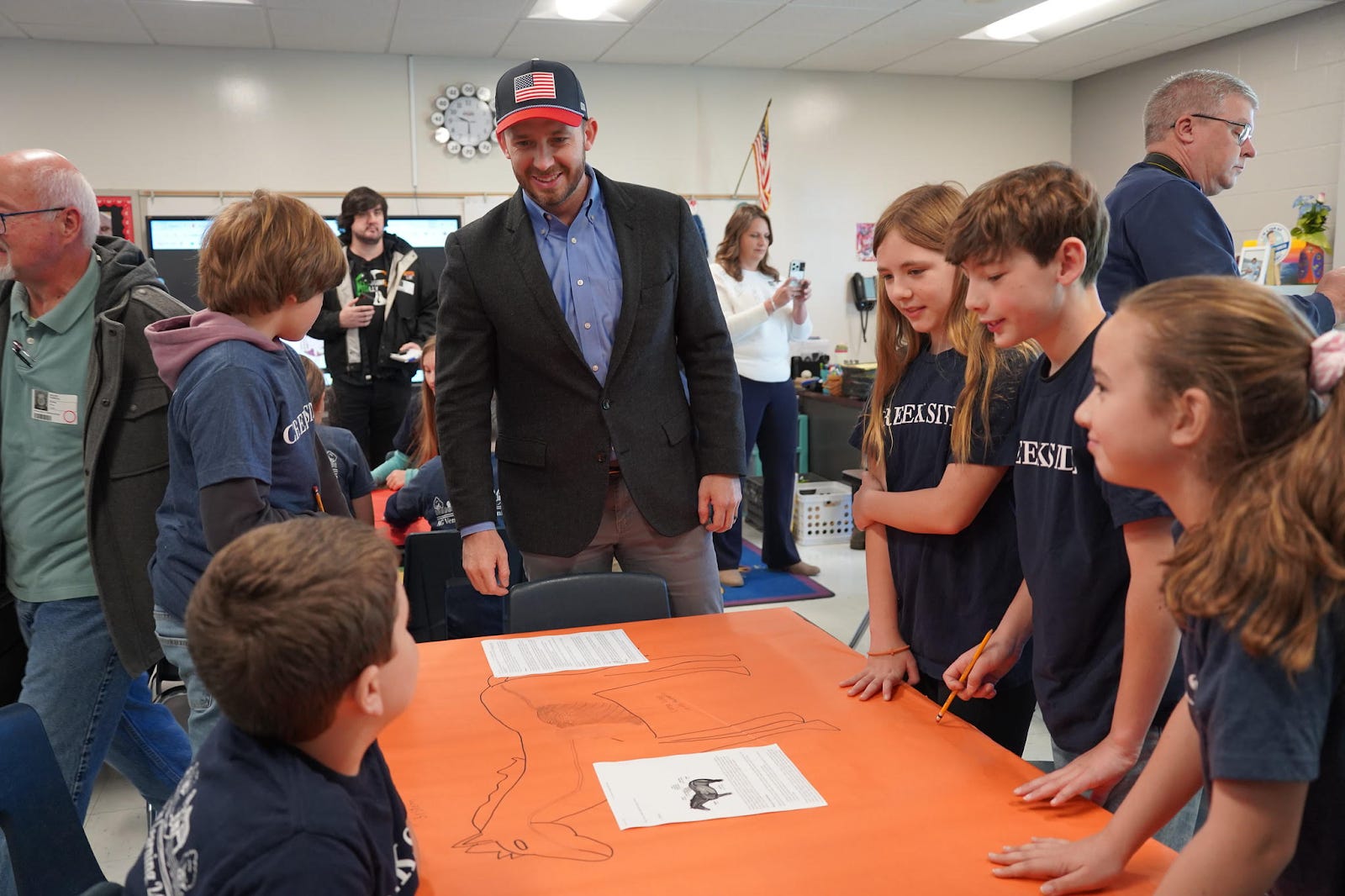
Students immediately recognize improvement when changes are made. In Fleming County, the Food Service Director quietly shifted the entire district’s beef to a local Mennonite farmer with a micropurchasing approach. Students immediately reported higher quality, better taste, and genuine enjoyment! This should be the standard, not the anomaly.
Commissioner Shell’s steadfast commitment to farmers and school nutrition connects his goals with legislation to eliminate barriers in procurement rules, driving agricultural economic development and better health outcomes for children. Such innovative legislation makes Kentucky’s school procurement small purchase threshold maximum equal to federal levels, encouraging immediate and long-term economic opportunity, incentivizing contracting directly with farmers.
Students across the Commonwealth continue to ask for food that tastes better and comes from their communities and school gardens. Superintendents and food service directors alike at Jackson Independent and Casey County are making magic happen by any means necessary through outside-the-box solutions to buy local food for children’s school day consumption. Now, they have a breath of fresh air.
The legislation creates a new section in Kentucky’s statutes to provide the following:
Procurement policies authorize districts to use the full federal micropurchase limits of $15,000 for Kentucky-grown agricultural products for food service applications
Use the small purchase threshold as defined by federal law for Kentucky-grown agricultural products, with a maximum threshold of $350,000, a substantial increase from $40,000.
This sleek political strategy aligns federal, state, and private-sector agricultural priorities in a single breath, also serving as a model for the rest of the country.
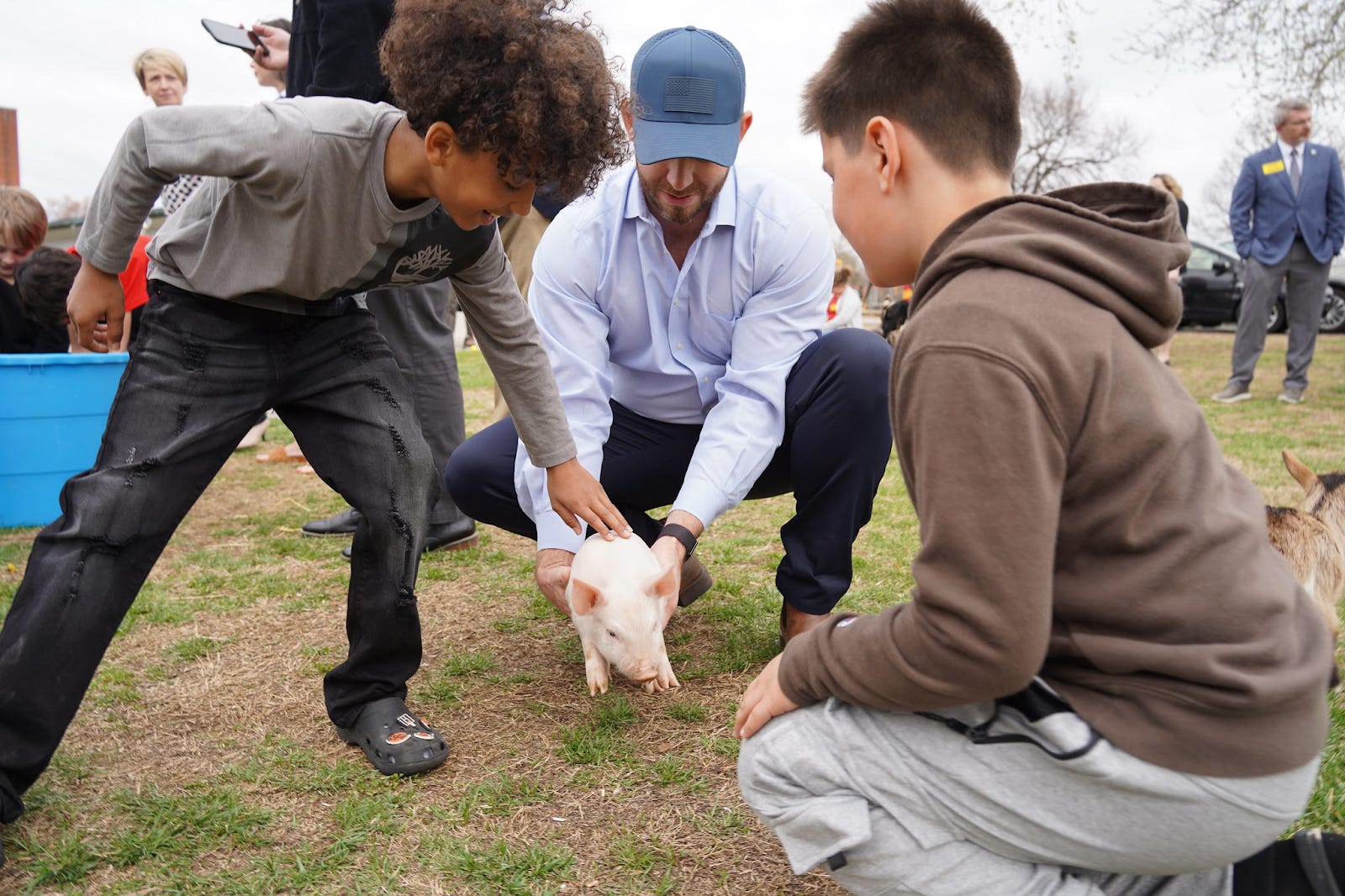
From the MAHA perspective, matrixed across USDA and HHS priorities, children’s nutrition tactics can begin a sustainable course correction. Healthy children live in healthy, economically viable communities where small-and medium-sized agricultural businesses serve as the rural backbone, representing 95% of Kentucky’s agricultural operations.
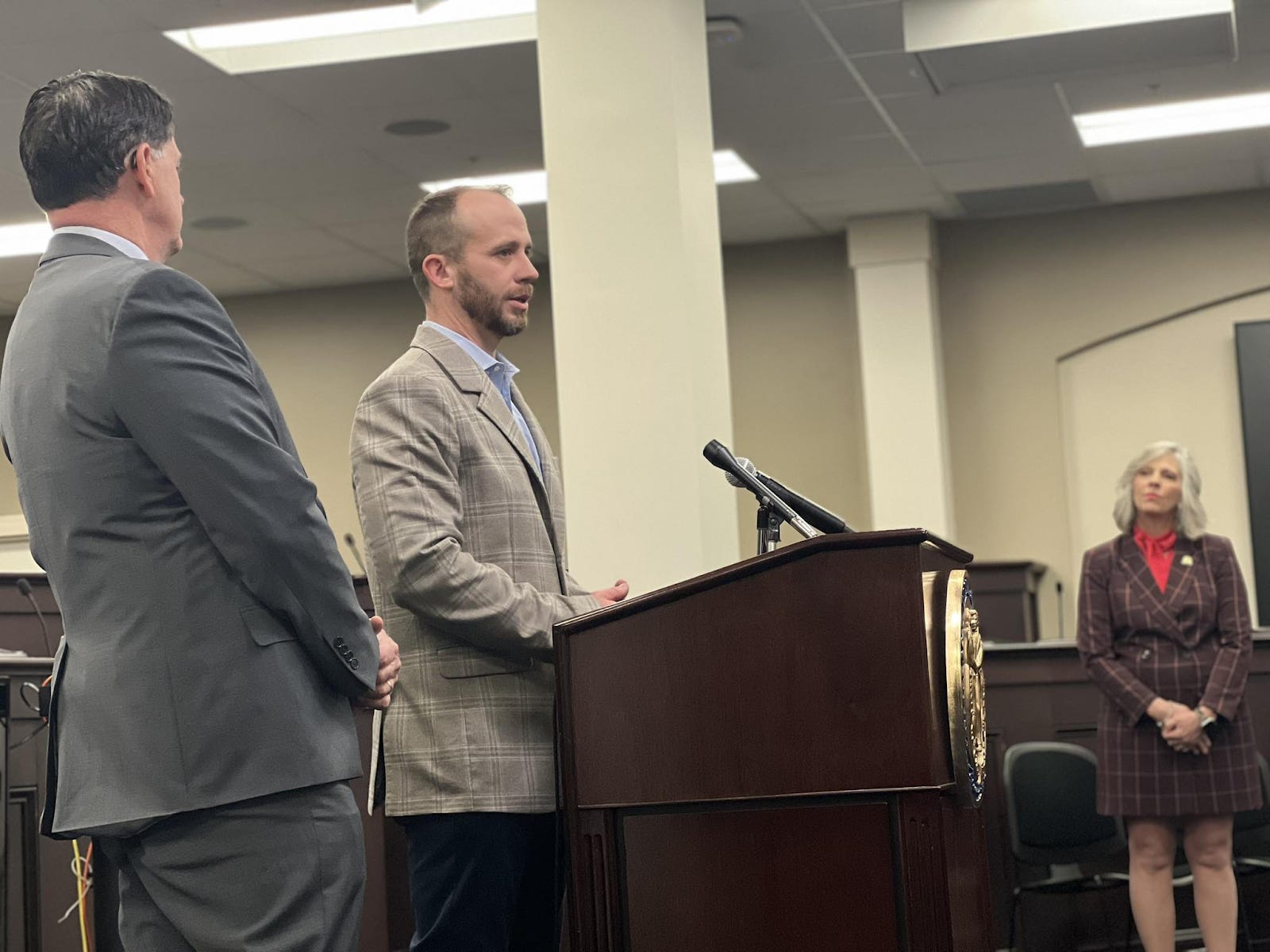
In the state legislature, Senate Agriculture Committee Chair, Jason Howell, leads the new, common-sense legislation as an answer and opportunity for Kentucky agricultural producers. Given rates of obesity and diabetes in the Commonwealth, tenuous agricultural economics, and laser focus of the MAHA agenda through Kentucky’s MAHA Taskforce, this program is vital. Putting policy into practice, the legislation has catalyzed a pilot cohort partnership of public and private sector players, including the Kentucky Department of Agriculture, a procurement partner, a multi-state farmer coop, and a regional educational coop.
This multi-sector collaboration provides hands-on technical assistance to 15 school districts, superintendents, and food service directors as a pilot group. Together, the partners’ network will work to update defined school menus with local choices, move Kentucky options into the primary bidding position and guide new district-level procurement policies to make a ‘local first’ option the easiest solution.
Scale and duplication of the Local First policy come next. Schools will need technical assistance and best practice guidance to simplify procurement and shift to source more local food to improve student nutrition. Supported by the new Dietary Guidelines and prioritization of Kentucky-grown agricultural products, the end-to-end strategy will provide learning, improve integration processes, and define future policy needs.
Most importantly, improving nutrition quality and building a national model can inspire other states to follow suit, with model procurement solutions and state-based legislation.
The only question we ask today: “Why didn’t we do this sooner?”
Brie Cox is a social impact management consultant based in Kentucky, working across the Central Appalachian and Southeast regions. She specializes in policy, strategy, and innovation for agriculture and healthcare institutions.
Wonderful news. Our family eats meat, veggies and salads and happy to hear kids at school can eat healthy, too.
This is great!