


The industrial food system that has inflicted chronic disease on Americans has never been interested in providing healthy foods for its customers. Not surprisingly, it is doubling down on trying to convince consumers to continue eating their harmful, unhealthy products, paying social media influencers to discredit the core messages of the MAHA revolution.

The Guardian recently reviewed this growing practice in an article tellingly titled “A ‘freaked out’ US food industry is hitting back at MAHA – with social media influencers.”
In the article, The Guardian portrays industrial food companies as defending their turf against the ‘misinformation’ they want you to believe is being spread by MAHA activists. The gist of the corporate campaign unveiled by The Guardian and the non-profit, Documented, an investigative watchdog and journalism project, is that pesticides are not bad, as MAHA claims and gold-standard science proves. And, through its paid MAHA influencers, Big Food wants you to believe the MAHA movement is spreading “conspiracy theories about everything from medicine to milk.”
In typical Orwellian perversion, the nonprofit launching such obvious propaganda is called “the Center for Food Integrity” (CFI). Executives from Chick-fil-A, Cargill, the American Farm Bureau Federation, and other industrial food interests oversee it. The Guardian explains that CFI “tracks public sentiment around key issues central to MAHA and suggests ways that agricultural interests can counter those narratives by appealing to emotion or scientific reasoning” by “deploying social media influencers with significant reach online in an effort to rebuild trust in the industries that the MAHA movement has made their target.”
This sounds familiar, much like countering vaccine hesitancy with corporate propaganda.
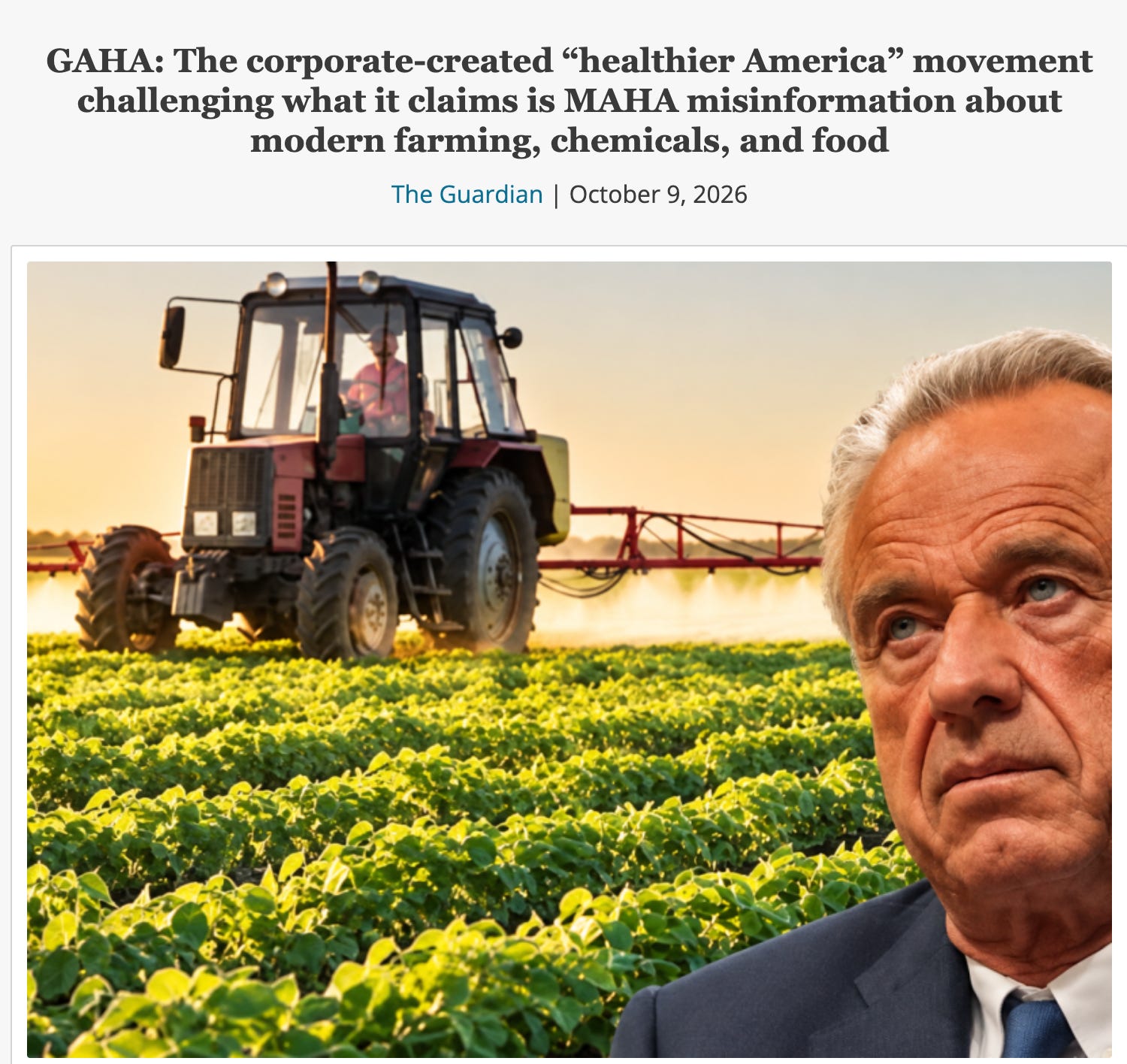
The Guardian reports that the movement to counter MAHA has been given the acronym GAHA, for “Growing a Healthier America.”
Documents obtained by The Guardian show that CFI is tracking MAHA closely and “researching ways to respond to the movement’s claims without alienating its supporters.” It’s focused on a few key areas: seed oils, pesticides, high-fructose corn syrup, regenerative agriculture, organic farming, raw milk/dairy, and Big Ag.
Yet many of CFI’s claims are specious, straight out of a propaganda playbook. One argument is that MAHA supporters are profiteers.
“Influencers who participated in the paid campaign said they saw it as a way to counter misinformation that comes from MAHA proponents, many of whom are paid to promote products in the wellness space,” The Guardian reports. This ‘two wrongs make a right’ appeal mirrors the federal government’s promotion of misinformation to U.S. citizens during the pandemic, to justify what are now known to be blatant falsehoods issued by federal and state agencies about disease origins, masking, social distancing, mortality rates, and vaccine efficacy. All designed to counter truth with falsehood.
CFI’s’ GAHA influencer campaign officially launched late last year. In February, CFI compiled a report listing dozens of sponsored posts about key GAHA subjects on platforms such as online blogs, Facebook, TikTok and Instagram. So far, at least six influencers have signed on to the GAHA campaign, according to The Guardian, reaching a total audience of more than 2.6 million viewers.
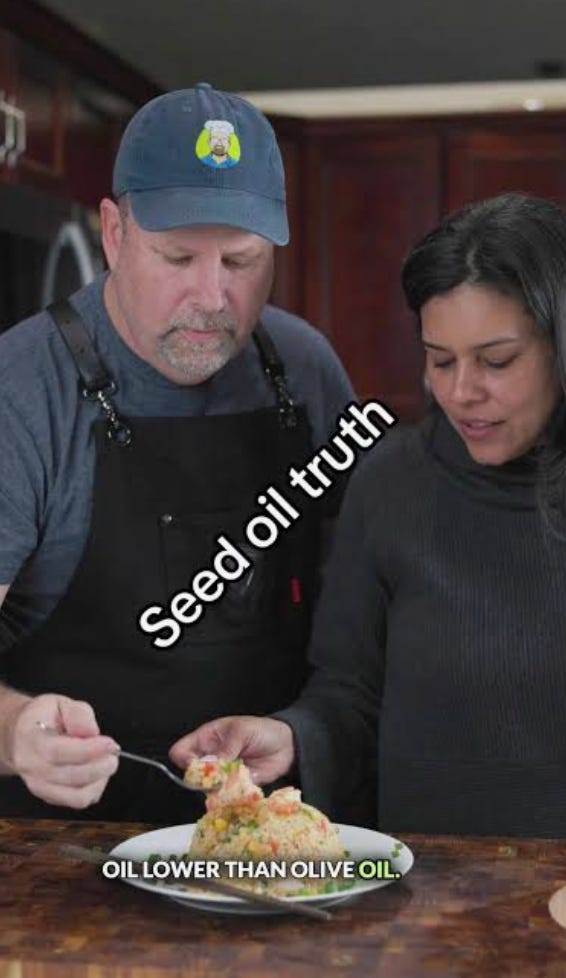
The influencers include Slade Wentworth, who has more than 1 million followers and claims that “many of the loudest voices in the MAHA movement … tend to push anti- and pseudo-scientific claims….”

Another paid influencer, Jessica Steier of Unbiased Science, says that “[m]uch of the information amplified by MAHA … falls under a ‘wave of chemophobia’ where people are told they’re being harmed without much evidence.” Other paid influencers include Happy Strong Healthy, Dietitian Hannah, and Veggies and Chocolate.
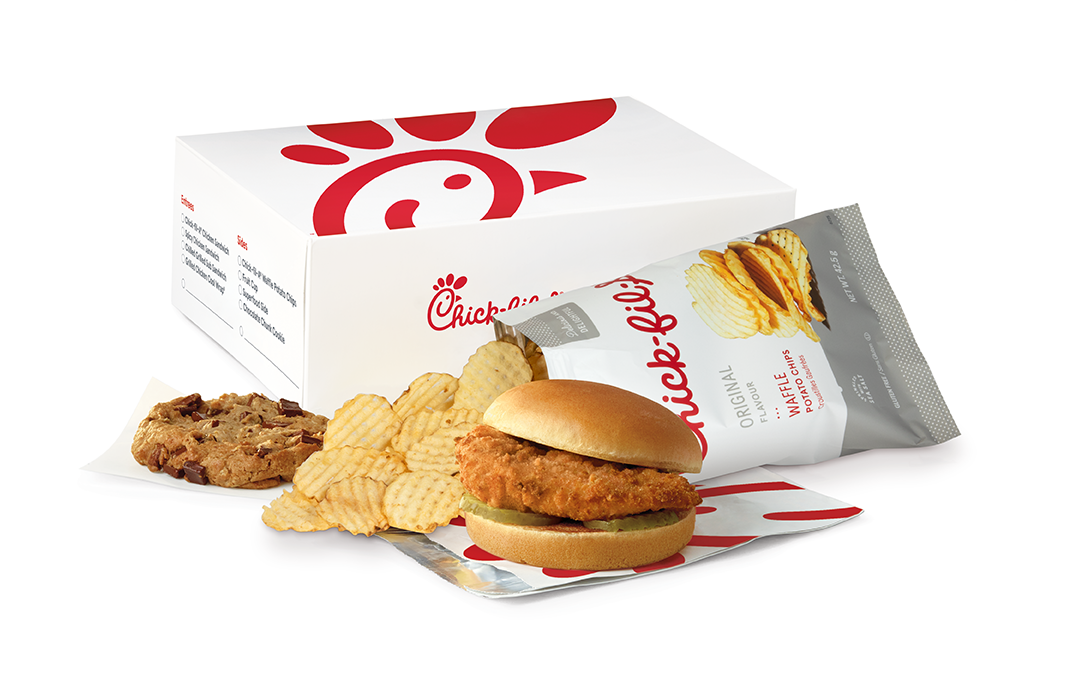
Granted, CFI is a private entity and is free to pay influencers to spread misleading information. But Americans are now alert to the lies of big food and pharmaceutical corporations and the lackeys they hire. Younger generations know that eggs, red meat, and butter are all good for them, not bad, as the government misinformed generations of Americans to advance and safeguard huge corporate profits. And perhaps most powerfully, MAHA is bipartisan. Those Republican Christians who have long been deceived into thinking Chick-fil-A was healthy have now realized they are killing themselves and their children slowly, for corporate profit. This changing public opinion has industrial food and agriculture hand-wringing over what author and food researcher Tom Philpott calls a two-party “vibe shift.”
The current status of Big Food is much like the waning tobacco industry that for years denied the deadly dangers of its products, even while it engaged in surreptitious research to make nicotine even MORE addictive.
In part because of the work of HHS Secretary Kennedy and his colleagues, Americans are turning away from harmful, ultra-processed foods and industrial agriculture.
Every new technology offers humans the opportunity to use it for good or ill, and modern social media is no exception. Increasingly, prominent influencers on the biggest platforms are being paid to chime in on politics without disclosing their conflicts of interest. In a panicked response to growing consumer awareness of the health risks of ultra-processed foods, large food companies have ratcheted up their counter-MAHA narratives and thereby joined the misinformation fray.
The trend to pay social media influencers to shape public opinion took off during the Covid-19 pandemic when the Biden administration used taxpayer funds to hire influencers to assure the public that vaccines were safe and effective. It is now abundantly clear that much of the information that the federal government surreptitiously paid influencers to disseminate was patently false.
At the time, many media outlets gushed at how important and life-saving Covid vaccines were. The New York Times framed this benevolently, writing: “Many influencers have joined a broad, personality-driven campaign to confront an increasingly urgent challenge in the fight against the pandemic: vaccinating the youthful masses…,” justifying the efforts as “a counterattack against a rising tide of vaccine misinformation that has flooded the internet.” Notice how insidious this was: the government paid people to lie to protect corporate profits at the expense of Americans’ health, without disclosing the payments. American citizens expressing concerns about vaccine safety were not paid. The Times even platformed an influencer who interviewed then-heroic, now-infamous Anthony Fauci in a staged Q&A session arranged by the White House.
In August 2026, The New York Times warned that undisclosed payments to media influencers are profoundly impacting political races and must be regulated. In May, news broke that a George Soros-managed project paid top pro-Dem influencers up to $8,000 per month to push various political narratives, without disclosing pecuniary motives behind their work. The Dems routinely used secretive contracts that may violate campaign finance laws.
Now corporate America has joined the social media misinformation business. Granted, food companies have deceived Americans about the healthfulness of their food offerings for decades, presenting sugar-packed breakfast cereals as healthy for children, margarine as superior to butter, baby formula as preferable to mother’s milk, and other shenanigans that an increasingly sick public has caught on to. The MAHA movement has educated a new generation of diners about the hazards of many foods that are contributing to America’s chronic disease epidemic.
Rancor over perceived failings of MAHA leadership misses how profound the movement’s grassroots impact truly is. Whatever Robert F. Kennedy Jr. or Donald Trump might do, Americans are voting with their wallets for healthier food; processed-food companies are reeling. Their decades-long chokehold on Americans’ food supplies is under profound bipartisan attack. This is an existential crisis for an unsustainable, corrupt food system

Global corporations do not yield market share, especially for their most profitable, nutrient-deficient products, without a vicious fight (witness how much money Bayer-Monsanto spent to protect its beloved glyphosate with legal liability immunity). As with Covid-19 vaccines and political posturing, paid rebuttals to claims that processed foods pose health threats are now commonplace, without disclosing the payments.
Here is a MAHA message for the mega corporations scrambling to confuse and deceive Americans about what is in our food: we are coming for your profits and power, using the truth you obfuscate. We will conduct the studies of glyphosate and its harm to microbial life in the human gut that you have stymied. We will prove that 181,000 Americans with non-Hodgkin lymphoma are not malingerers but victims of chemical exposure. We will study seed oils, vaccine injuries, and the chemical harms of Paraquat, atrazine, and other agricultural chemicals. We will revisit the GRAS system of regulation that permits you to deliberately taint our food to make our children keep eating when full, and manipulate their body chemistry to addict them to your products.
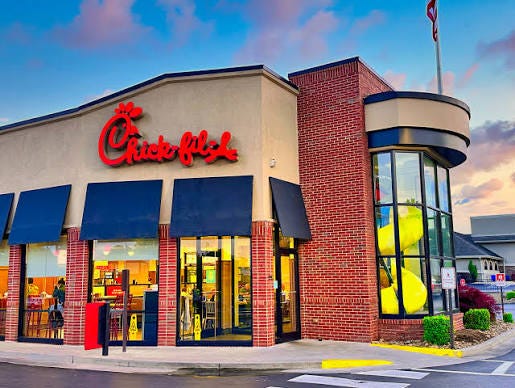
Fears about the industrial food industry are well founded; the leaders of the biggest companies continue to be exposed as criminals. They can either pivot to selling healthy products American consumers can trust — or the free market will respond with declining sales as an alerted public drives past Chick-fil-A and McDonald’s, and gives their business to local farm stands.

MAHA is as much about personal responsibility and discernment as it is about health. Intuition will be the most valuable tool for the future of health and every other issue.
Thank You again, John.
This will go into my next blog post. It is important perspective.