

By Gabrielle Traub, Special to The MAHA Report
“We have a sick care system where people are compensated more for keeping patients sick” – Robert F. Kennedy Jr.
Something is shifting in healthcare, and it is becoming impossible to ignore.
As chronic disease continues to rise and trust in conventional systems erodes, the questions are getting louder. Patients are no longer satisfied with symptom management alone. Practitioners are looking beyond protocols. The MAHA movement is helping to bring this reckoning into the open, creating space for approaches that have long been marginalized to be reconsidered – approaches like homeopathy.
Homeopathy is a system of medicine that has been used for over 200 years. It is based on the principle of similia similibus curentur (“like cures like”), in which a substance that can produce symptoms in a healthy person may, in highly diluted form, be used to stimulate the body’s self-healing response in someone experiencing similar symptoms. It emphasizes individualized treatment, selecting remedies based on a person’s unique physical, mental, and emotional presentation rather than a single diagnosis.
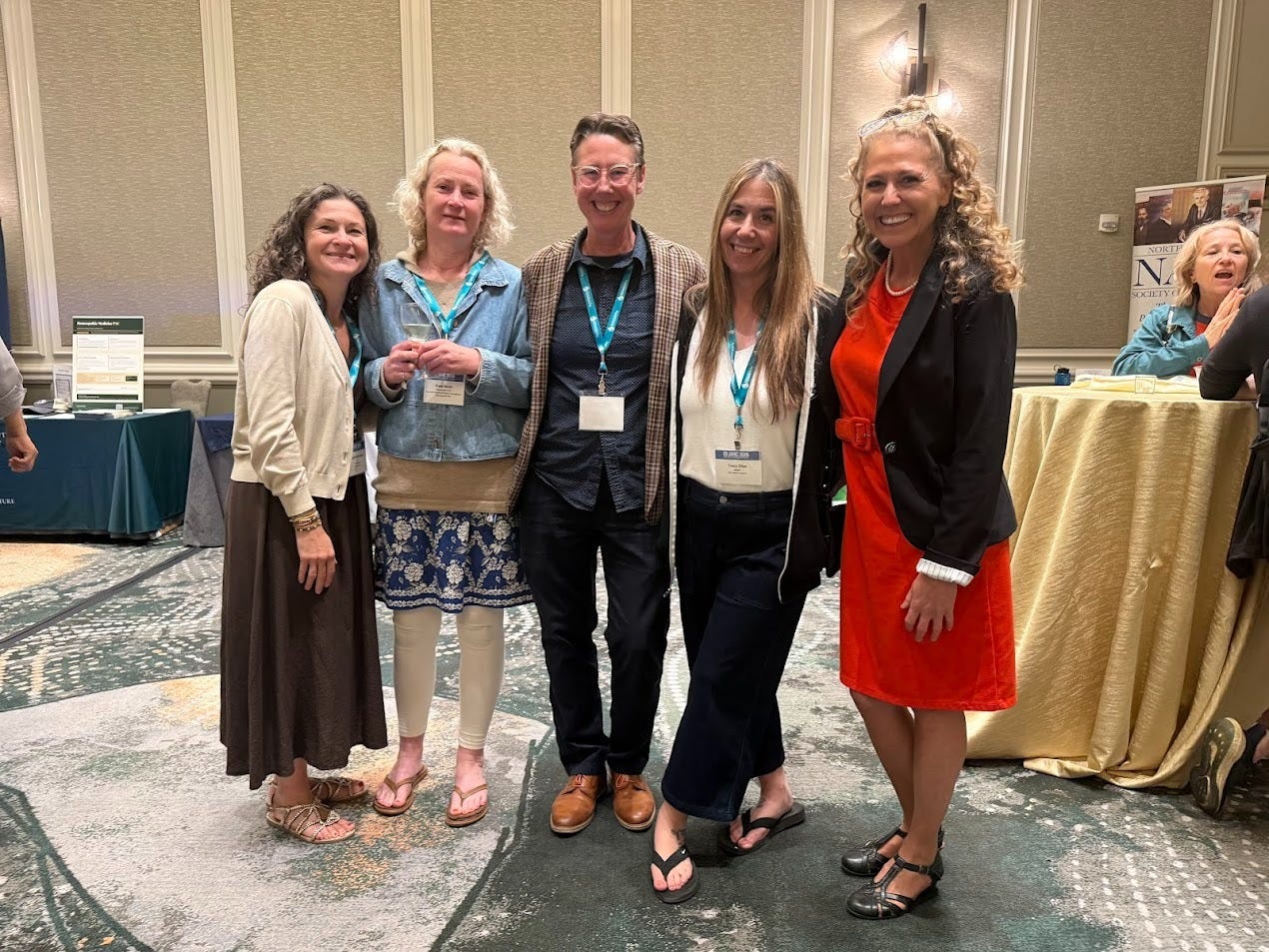
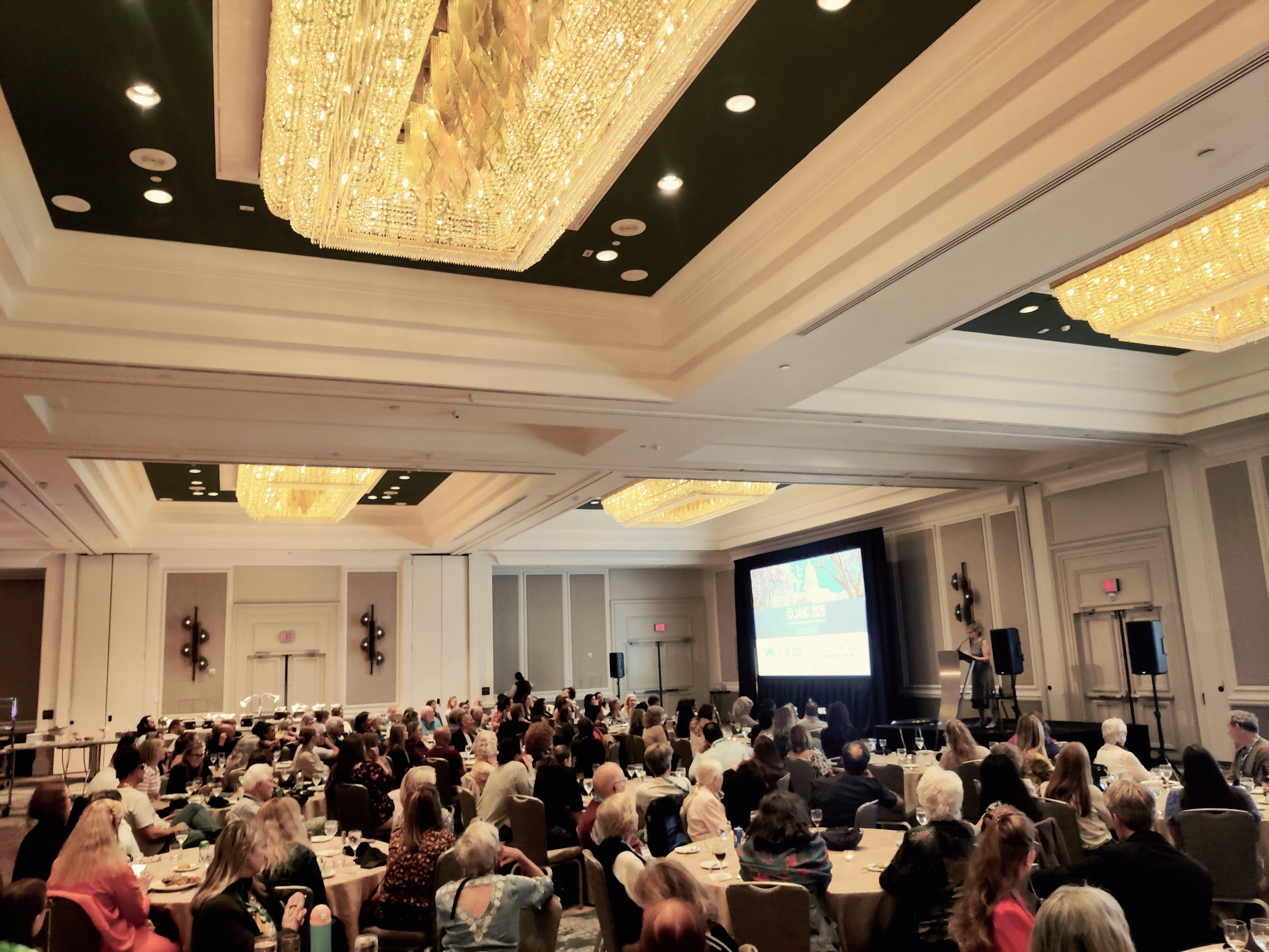
This year’s Joint American Homeopathic Conference, held in Reston, Virginia, brought the global homeopathic community together for a three-day gathering, April 17–19. Attendees traveled from around the globe, creating a distinctly international vibe. The program featured highly credentialed speakers exploring a wide range of topics, from chronic illness and women’s health to addiction, epidemics, and the role of homeopathy in supporting microbiome health and reducing antibiotic use. I was honored to present on the connection between MAHA and homeopathy, highlighting this moment as an opportunity for increased visibility, collaboration, and integration within the broader healthcare conversation.
For many, the conference offered a rare opportunity to meet distinguished leaders in the field, people like Kim Elia, producer of the film Introducing Homeopathy; Amy Lansky, author of the book Impossible Cure; Paul Herscu, who wrote The Homeopathic Treatment for Autism; and Kate Birch, the director of the nonprofit organization Free and Healthy Children International. And just as meaningful were the moments between sessions. Conversations in hallways, over coffee, and during informal gatherings allowed connections to deepen and ideas to unfold naturally.
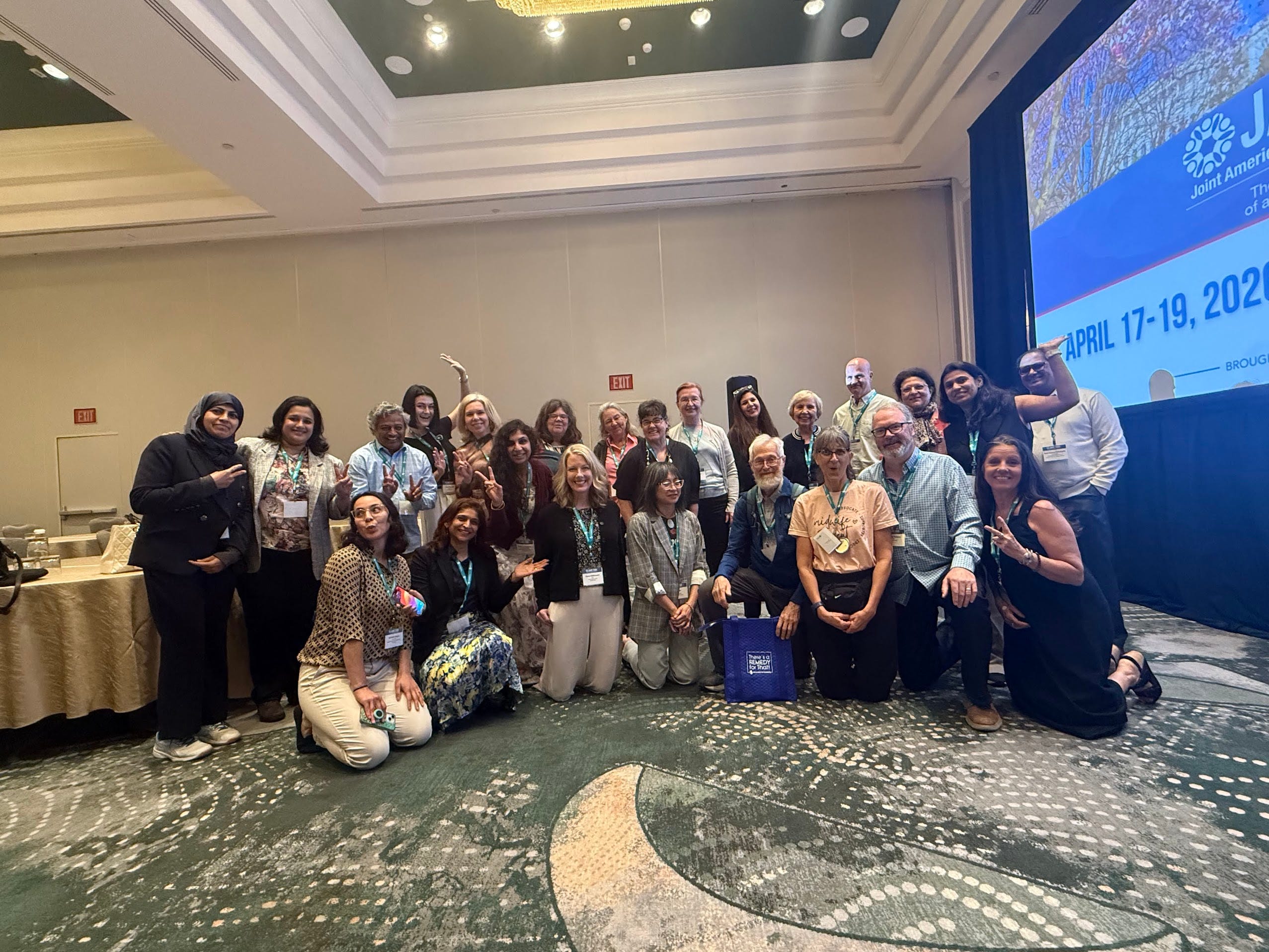
The conference also served as the culminating celebration of World Homeopathy Awareness Week, bringing a week of global outreach and education to a close. A highlight was the screening of the pilot episode of Investigating Homeopathy.
Saturday evening brought a shift in tone. The awards dinner honored leaders in the field, followed by a lively 1970s-themed dance party. Before long, nearly everyone was dancing, fully immersed in the moment. It felt authentic, like a community that trusts each other and isn’t afraid to show up fully.
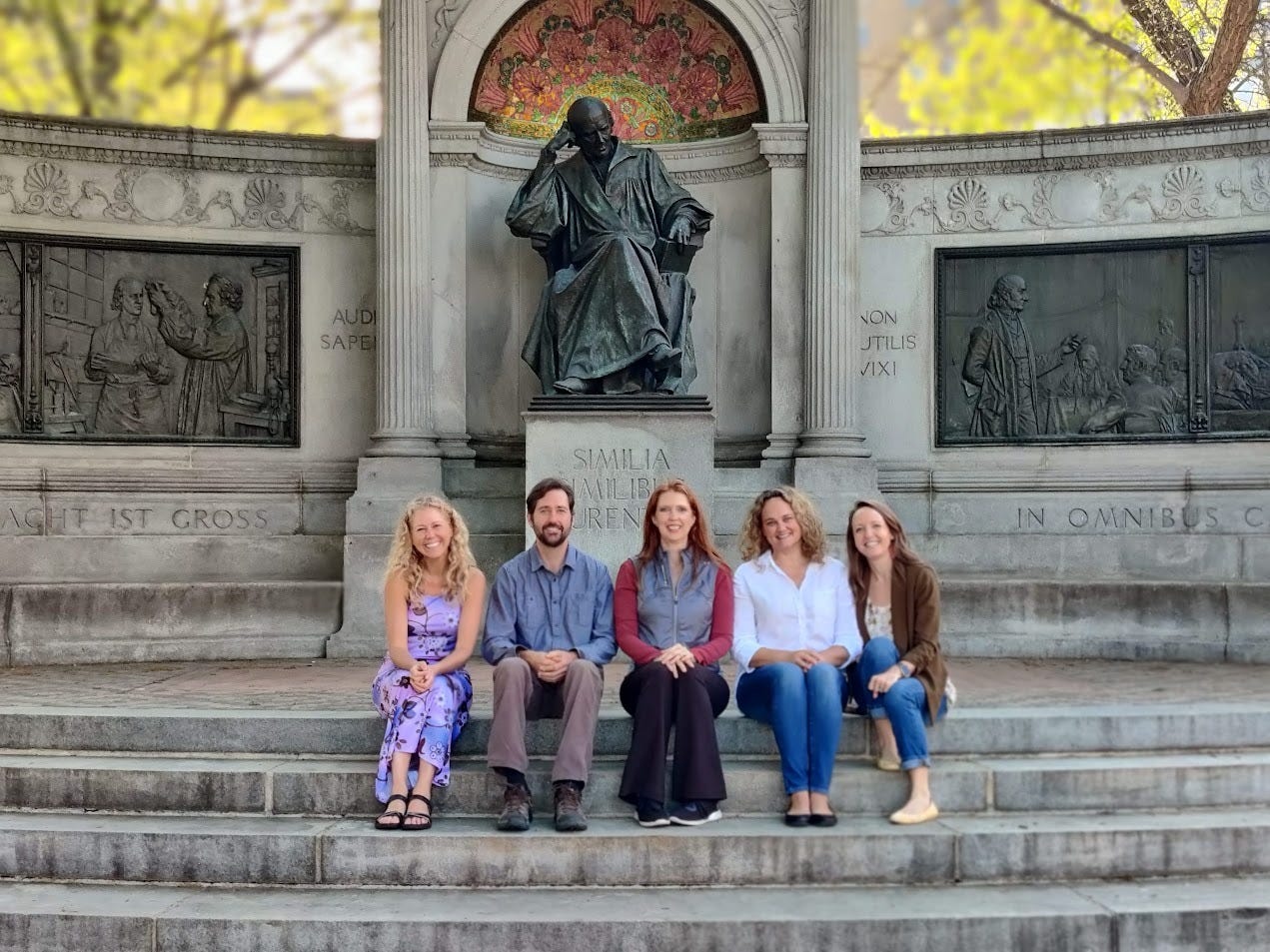
The conference concluded on Sunday evening, April 19, with a sparkling toast at the 126-year-old Hahnemann Monument in Washington, D.C.
Standing together to reflect on the weekend and honor Dr. Samuel Hahnemann, the father of homeopathy, there was a quiet sense of gratitude and purpose. As the sun set, conversations lingered, and goodbyes were filled with long hugs and tears. As one chapter closed, a more powerful one opened—one that has the potential to elevate the future of healthcare.
Reactions to the conference were overwhelmingly positive, with many attendees emphasizing both the clinical depth and the growing momentum surrounding homeopathy. Dr. Jamie Oskin described the conference as “one of the most energizing and affirming gatherings” he has attended as a naturopathic physician. He noted the breadth of homeopathy’s applications, from complex autoimmunity to chronic disease. What stood out most to him, however, was the momentum supporting advocacy for homeopathy that is now possible because of MAHA.
“MAHA isn’t just about removing toxins from our food supply,” he said. “It’s about restoring trust in whole-person, low-risk medicine that honors the body’s innate capacity to heal.”
At a time when questions around pharmaceutical overuse, environmental toxins, and root causes of disease are becoming more urgent, he emphasized that homeopathy deserves a seat at the table.
Paola Brown, president of Americans for Homeopathy Choice Action, expressed optimism about the introduction of H.R. 7050, a bill aimed at modernizing the regulatory framework while safeguarding access to homeopathic medicines.
“Homeopathic medicines are not supplements,” said Dr. Lisa Amerine, president of the American Institute of Homeopathy. “They are not fringe products. They are legal drugs with nearly a century of federal recognition behind them, and they deserve a regulatory framework that reflects that.”
She said she especially appreciated Dr. Mike Knapp’s presentation.
“He delivered exactly what this profession needs more of—real case management, without glitz or performance, just honest, precise homeopathic practice presented before a room of colleagues,” she told me. “He reminded everyone why we chose this medicine and what it truly looks like when practiced well.”
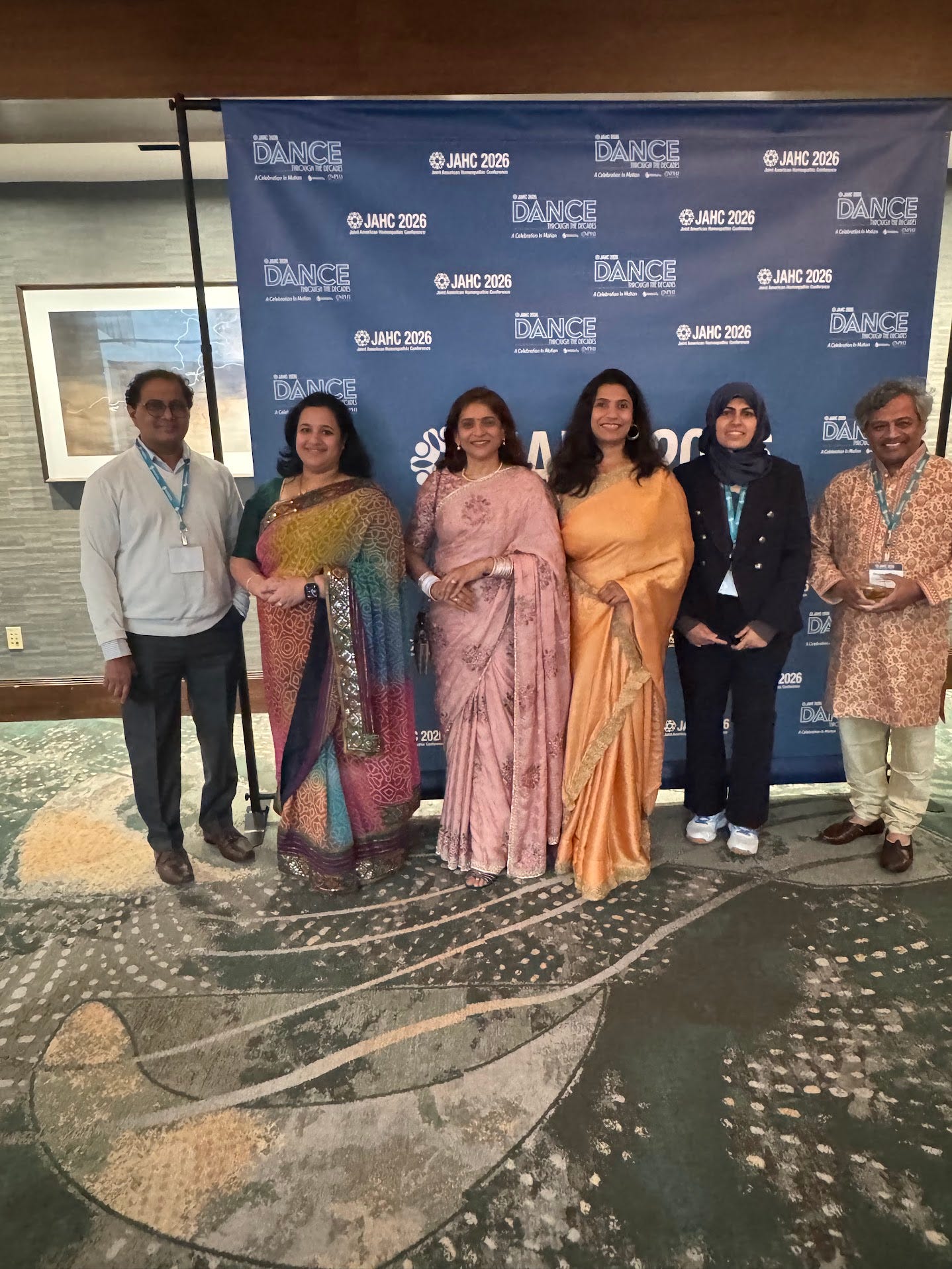
As the cracks in our healthcare system become harder to ignore, conversations around chronic disease, pharmaceutical overuse, and patient centered care are no longer fringe; they are front and center. Once dismissed, homeopathy is now being reexamined with renewed curiosity.
This year’s Joint American Homeopathic Conference did not simply reflect this change; it embodied it, revealing a global community stepping forward with clarity and conviction to help shape the future of healthcare.
Unfortunately, this year’s conference was the last one that will be in-person, as the National Center for Homeopathy will shift to focusing on strengthening engagement, while also taking on the role of hosting World Homeopathy Awareness Week.
Gabrielle Traub is a board-certified classical homeopath and M.Tech (Hom, CCH, HD (Hon). She is also the author of the 2022 book Live Right For Your Remedy Type.
So reassuring to see homeopathy finally getting its due. It has saved me when western medicine only made me sicker and sicker. But, that experience taught me that "there is always another way" when it comes to healing the body and emotions.
Strong Cannabis medicine replaced my Rx Oxycontin 23 years ago. I will stick with cannabis medicine I grow. Learn to grow to have. No pain patient can buy it when we have no money...