

By Amy Sapola, Pharm.D., Contributor, The MAHA Report
On April 2, the Advanced Research Projects Agency for Health (ARPA-H), an agency within Health and Human Services (HHS), unveiled a $144 million program—STOMP (Systematic Targeting Of MicroPlastics)—designed to confront microplastics as an urgent environmental and human health challenge.
HHS made the historic announcement in tandem with the Environmental Protection Agency (EPA).
With the recent release of the Plastic Detox documentary, public attention is catching up to what the science has been signaling: we are not just surrounded by plastic—it is accumulating in our bodies.
Once assumed to be inert packaging, plastics have quietly crossed a dangerous threshold: they are now understood to fragment into microscopic particles that enter the body through the food we eat, the water we drink, the air we breathe, and even the clothes we wear, embedding themselves in tissues and interacting with our biology in ways we are only beginning to understand.
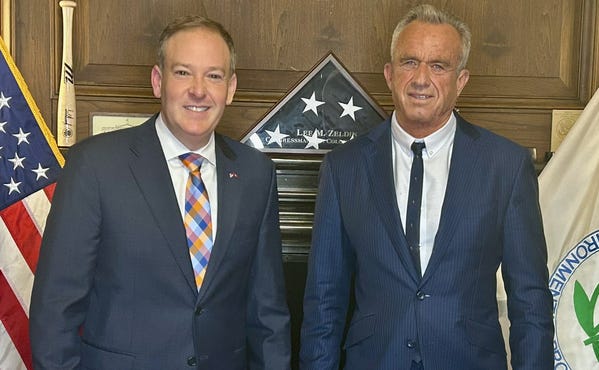
“Today, HHS is taking decisive action to confront microplastics as a growing threat to human health,” said Secretary Robert F. Kennedy Jr. on April 2.“Americans deserve clear answers about how microplastics in their bodies affect their health.”
In lock step with Kennedy, EPA Administrator, Lee Zeldin, said, “For too long, Americans have vocalized concerns about plastics and pharmaceuticals in their drinking water. That ends today.”
Zeldin continued, “By placing microplastics and pharmaceuticals on the Contaminant Candidate List for the first time ever, EPA is sending a clear message: we will follow the science, we will pursue answers, and we will hold ourselves to the highest standards to protect the health of every American family.”
Kennedy and Zeldin capture both the urgency and the unease of the moment. Microplastics are no longer a distant environmental issue; they are an immediate biological one.Particles, small enough to evade detection yet persistent enough to accumulate, have now been identified in the human brain, lungs, arterial plaques, reproductive tissues, and the placentas and breastmilk of mothers.
Against this backdrop, Thursday afternoon’s announcement feels less like a research initiative and more like a necessary turning point designed to confront microplastics at their root.
The Phases of STOMP
STOMP is structured as a coordinated, multi-phase effort to build the scientific and technical foundation that the field currently lacks. The program will begin by developing standardized, highly sensitive methods to detect and quantify microplastics and nanoplastics in human tissues and fluids, a task previously hampered by inconsistent measurement techniques across laboratories.
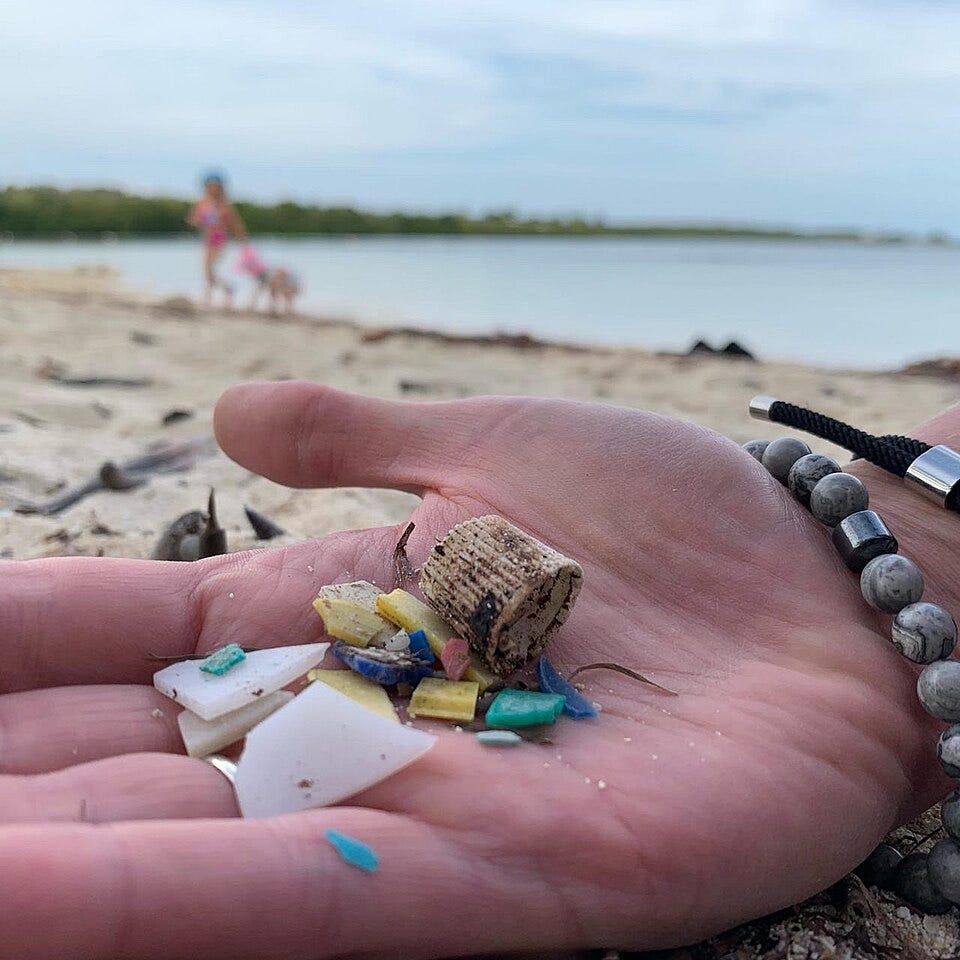
From there, researchers will map how different types of plastics enter the body, where they accumulate, and how they interact with biological systems. This includes understanding how plastic particles cross cellular barriers, distribute across organ systems, and potentially disrupt key physiological pathways. A central component of this work is the creation of a risk stratification framework—ranking microplastics by their relative biological harm and, for the first time, giving scientists, clinicians, and policymakers a shared answer to which exposures matter most.
Only after that foundation is established does the program move into its most ambitious phase: removal. Drawing on pharmaceutical biology and bioremediation science, STOMP aims to design targeted strategies to reduce microplastic burden in the body. These new approaches can eventually allow clinicians not just to detect exposure, but to intervene in ways that are precise, safe, and scalable.
In that sense, STOMP is more than a research initiative. It represents a shift from passive awareness to active response, an acknowledgment that what was once invisible must now become measurable, and that what is measurable can be addressed.
STOMP also reflects a broader focus within HHS toward confronting root causes rather than managing consequences. By prioritizing measurement, transparency, and targeted intervention, the agency makes clear that environmental exposures can no longer remain peripheral to our health.
The Microplastics Daily Routine
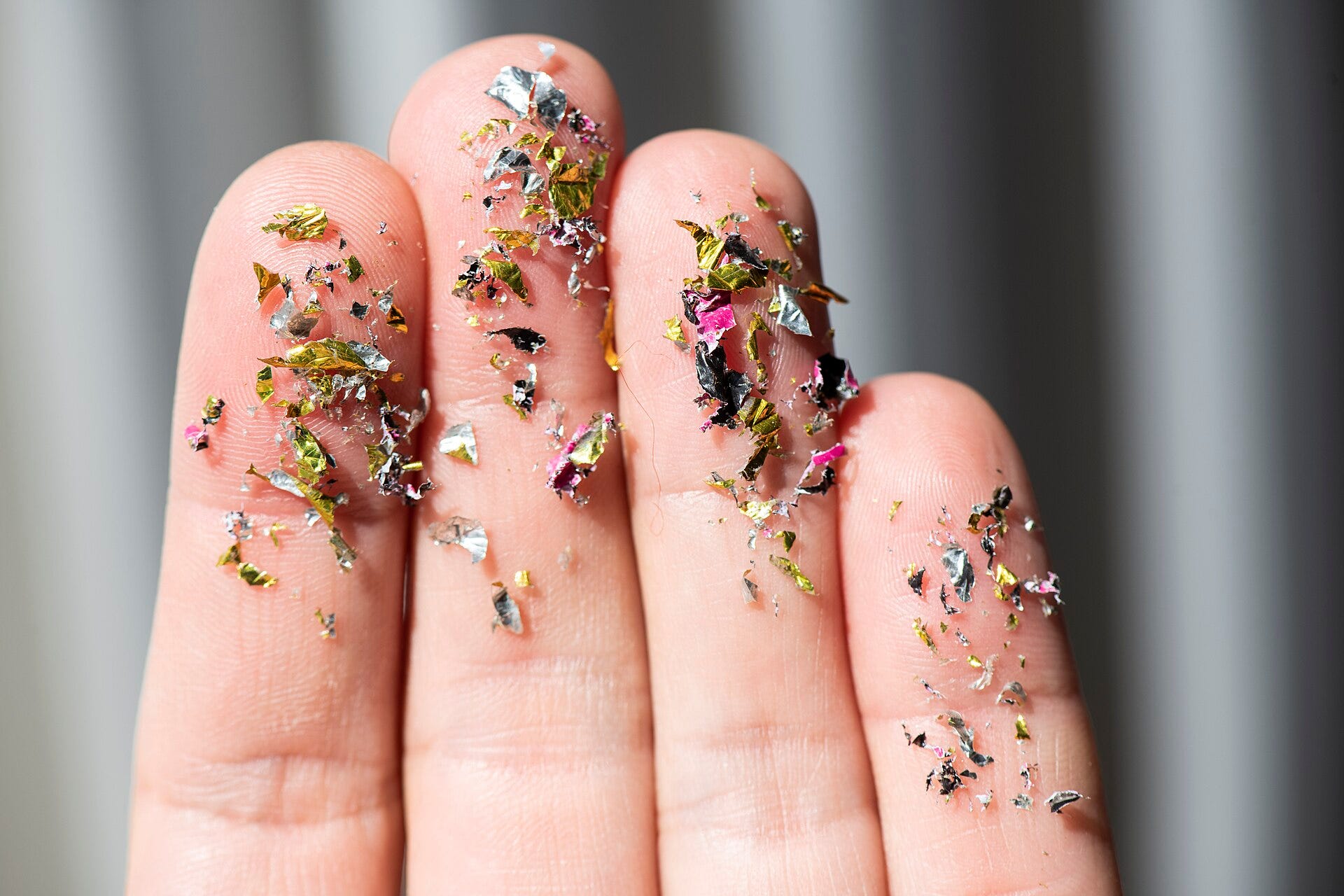
Often, microplastics feel abstract, but in reality, exposure is built into some of the most routine parts of daily life, especially how we prepare food and beverages. Heat, friction, and repeated contact with plastic materials create the perfect conditions for these particles to shed directly into what we consume.
One of the clearest examples comes from something widely perceived as a health-conscious habit: tea. A widely cited study found that a single nylon or PET plastic teabag, when brewed in hot water, can release approximately 11.6 billion microplastic particles and 3.1 billion nanoplastic particles into a cup of tea. These are not trace contaminants; they are orders of magnitude higher than most other known exposure sources in a single serving – often repeated daily for weeks, months, and potentially years.
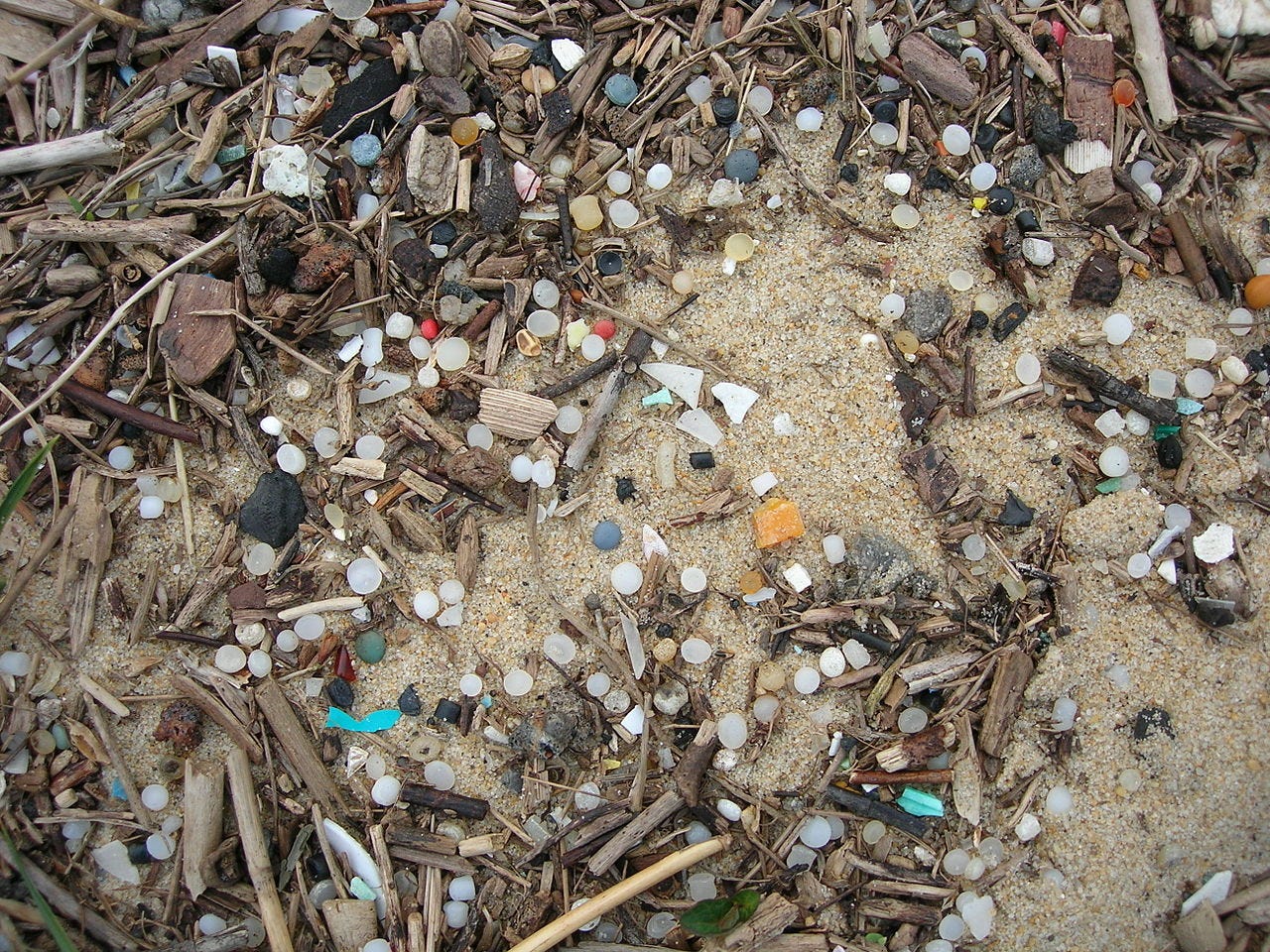
Coffee presents a similar, though more variable, pathway. Studies of plastic-based drip coffee bags have shown they can release over 10,000 microplastic particles per cup when exposed to hot water. With single-serve systems such as the Keurig K-Cup, the data is not yet available, but the mechanism is clear: hot water is forced through plastic capsules, filters, and internal components, creating multiple opportunities for particle shedding and chemical leaching. Research has confirmed the presence of plastic-associated compounds, including endocrine-disrupting chemicals, in beverages prepared this way, even if precise particle counts per cup are not yet known.
These simple daily routines highlight a critical reality: microplastic exposure does not occur “out there” in the environment. It is happening in your home. Everyday.
Microplastic Soup
What makes microplastics particularly concerning is not just their presence, but how they behave once inside the body.
Unlike a single, well-defined toxin, microplastics are highly variable because they consist of different plastic polymers and can carry or release chemicals such as phthalates, bisphenols, heavy metals, and other environmental contaminants, each with distinct biological effects. Some particles may become trapped in tissues and contribute to local inflammation or oxidative stress. Emerging research has detected microplastics in arterial plaque, where their presence has been associated with higher cardiovascular risk, including stroke.
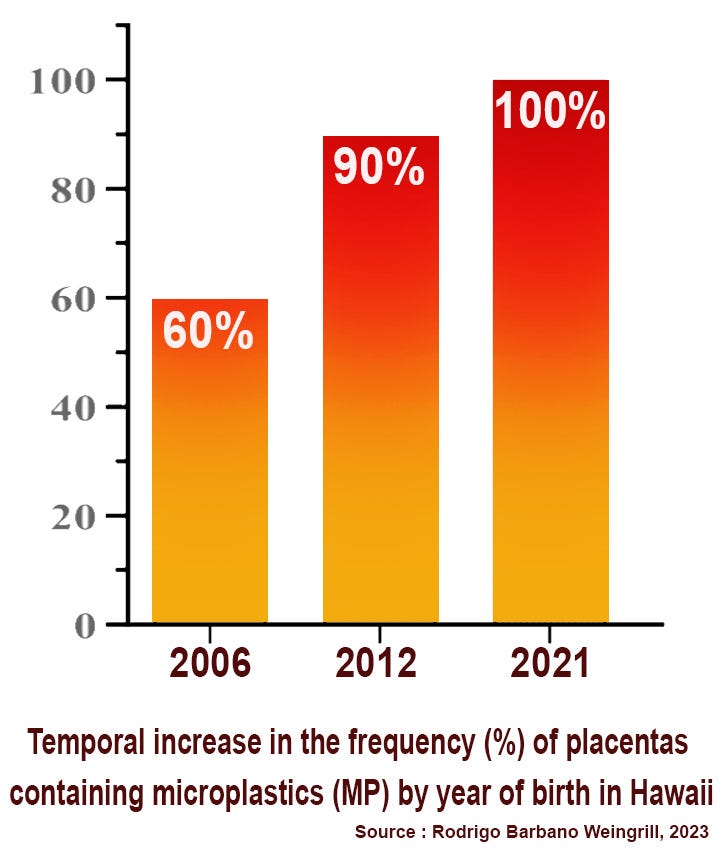
There is also early evidence that smaller particles, particularly nanoplastics, can cross the blood-brain barrier and also the placenta barrier. This raises important questions about impacts not only on individual health, but on fetal development and potential long-term effects that are still largely unknown.
For the first time, the central question is no longer how much plastic is in our environment; it is how much is in us, and what that means for our health, our fertility, and future generations.
A Public Health Inflection Point
What distinguishes the STOMP program is that it is an upstream investment in understanding and ultimately mitigating a foundational exposure shaping human health.
If microplastics are accumulating in critical tissues, and early evidence suggests they are, the stakes may extend across generations, particularly given growing concern about potential impacts on reproductive health. While the full effects are not yet established in humans, the question is no longer whether microplastics matter. It is how long we can afford to wait before we fully understand and can address their impact.
STOMP offers a structured path forward, beginning by measuring, prioritizing, and ultimately intervening in an exposure that has, until now, remained largely invisible.

“Microplastics are in every organ we look at—in ourselves and in our children. But we don’t know which ones are harmful or how to remove them,” said Alicia Jackson, Ph.D., ARPA-H Director, per Thursday’s HHS press release. “Nobody wants unknown particles accumulating in their body. The field is working in the dark. STOMP is turning on the lights.”
Bravo! An effort long overdue. My fear is that the advances made during this administration need longer than 4 years to continue. So much corruption so little time.
So I guess the fact that the US government (Ralph Baric, Fauci, Daszak, UNC, DARPA etc) was responsible for the pandemic and for the deaths from the Covid vaccine will be swept under the rug forever?
Most people I know still don’t know the truth. And when I tell them they get this really bizarre look on their face. And When I post a document of proof online, people lash out against me saying it’s a lie, Even though it’s a government document… one that Dr David Martin used in his presentations.