


For more than a century, chiropractors have quietly served the public at the intersection of healthcare and innovation. What began in the 1890s as a movement centered on the relationship between spinal alignment, the nervous system, and the body’s natural ability to heal, has grown into a licensed profession with tens of thousands of practitioners, an expanding research base, and an increasingly organized national voice.
Now, with the support of the MAHA movement, the chiropractic profession has entered a new chapter.
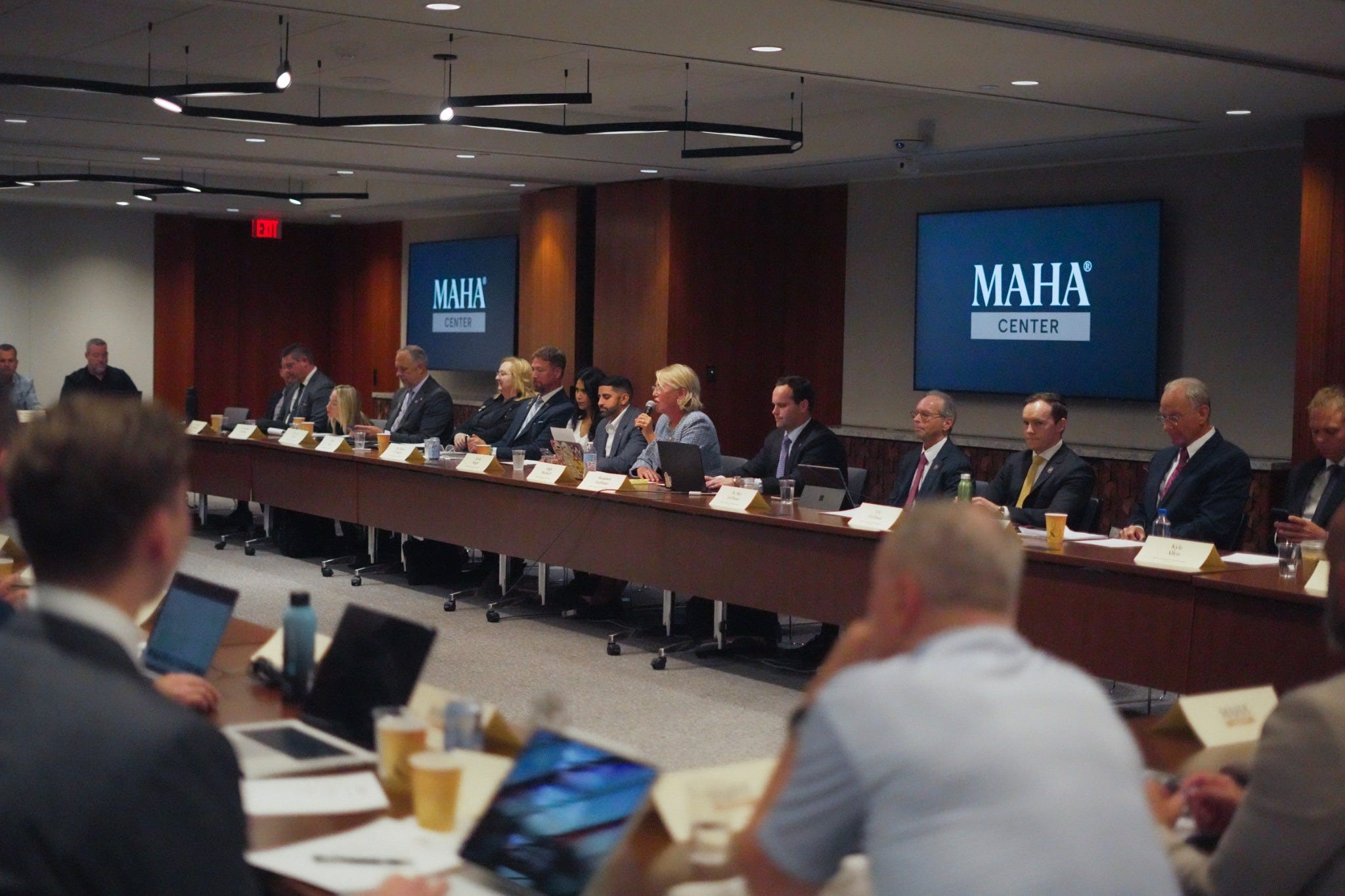
On Monday, July 20, in Washington, D.C., the MAHA Chiropractic Hub Roundtable marked a significant moment for the profession: bringing together organizations that have historically had separate initiatives and approaches.
The event, held at the MAHA Center, featured panels on topics including Medicare; chiropractic care in schools and outcomes data; research, pediatric and pregnancy care; VA and DOD access; reimbursement parity; and building a united front for chiropractic through MAHA.
Key speakers included Leigh Merinoff, Arvin Singh, Brandon Hoffman, Dr. Joe Betz, Dr. Kris Anderson, Dr. Lona Cook, Dr. Amanda Blonigen, Dr. Vickie Dubin-Master, Dr. Steve Tullius, Dr. Joel Bohemier, Dr. Tony Ebel, Dr. Steve Kraus, Dr. Fab Mancini, and former Delaware Governor Bethany Hall-Long.
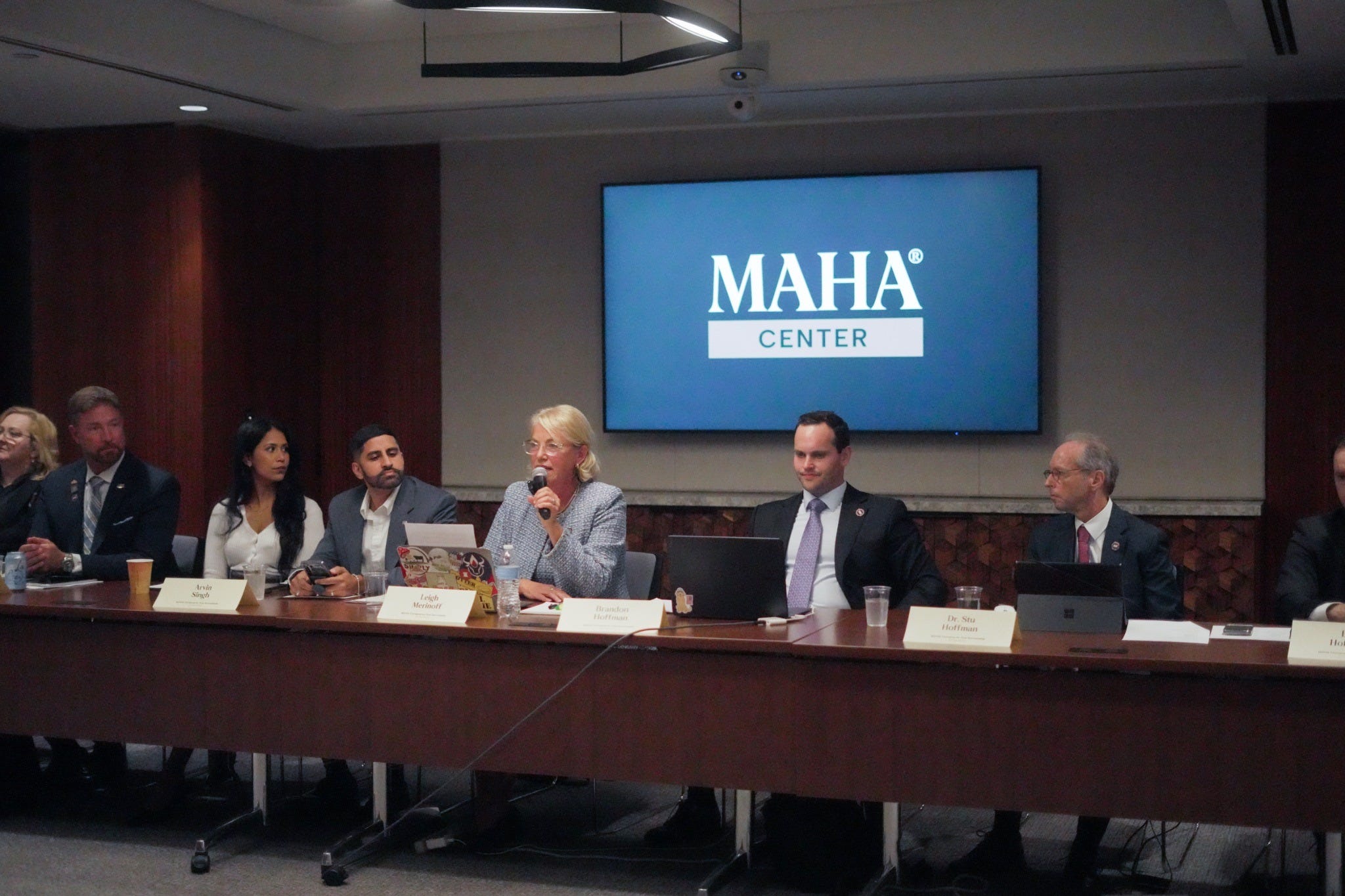
“Chiropractors have been improving the health of people for 130 years, and they should be the first line of defense,” said Leigh Merinoff, senior vice president of The MAHA Center.
She explained that the goal is to activate the nearly 60,000 chiropractors across the United States who are already serving their communities and to build a model that brings together leaders from different health sectors.
Historically, there has not been a major legislative opportunity that required the profession’s leading associations to align. Organizations like the International Chiropractors Association (ICA) and the American Chiropractic Association (ACA) often pursued their policy efforts independently.
The groups are aligning around the following:
expanding access to care
increasing funding for research
raising public awareness
advancing a preventative model of health
The Chiropractic Medicare Coverage Modernization Act
The Chiropractic Medicare Coverage Modernization Act (H.R. 539 in the House and S. 106 in the Senate) has become one of the profession’s top legislative priorities. The bill seeks to expand Medicare coverage for chiropractic services, and supporters argue that seniors should have access to the same level of chiropractic care already available through other federal programs, including the Department of Veterans Affairs and the Department of Defense.
The chiropractic profession strongly supports advancing H.R. 539 while improving the bill in three key areas: defining covered services according to each state’s authorized scope of practice, including clear boundaries excluding drugs, surgery, and obstetrics; extending Medicare opt-out and private-contracting rights to doctors of chiropractic; and establishing a reasonable timeline for the regulations necessary to implement the law.
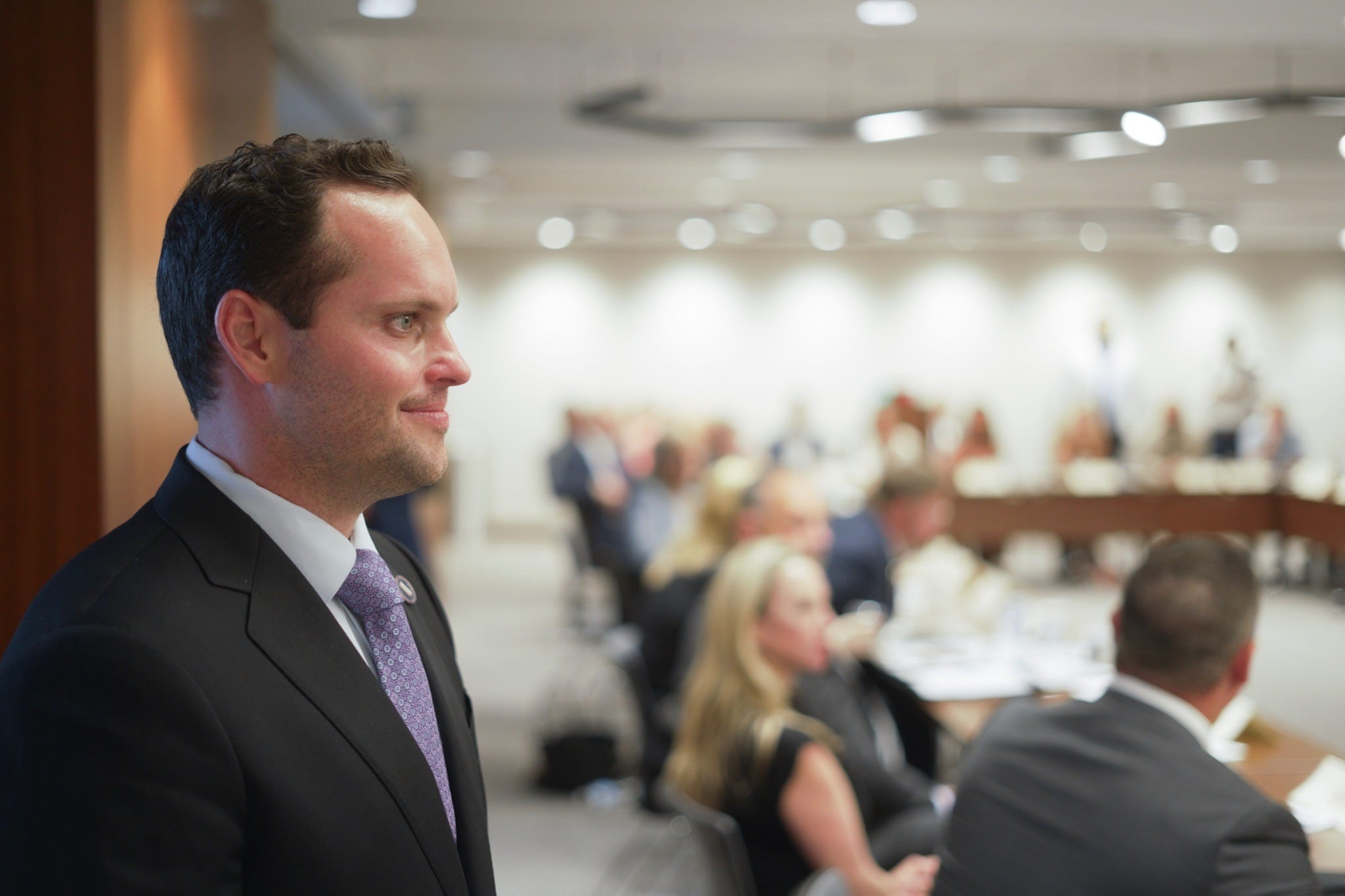
For Brandon Hoffman, executive director of the MAHA Chiropractic Hub, the Medicare effort represents something larger than a single policy change.
“The momentum behind this bill has accelerated because organizations across the profession are activating their members around a shared objective,” Hoffman said. “That coordinated action is exactly what the Hub was built to support.”
Hoffman emphasized that the Hub’s role is not to replace existing chiropractic organizations, but to bring together leaders and advocates across the profession while supporting grassroots engagement and aligned advocacy efforts.
The roots of chiropractic care stretch back to 1895, when Daniel David Palmer developed a system of care based on the idea that spinal health plays an important role in overall wellness. In its earliest years, chiropractic faced significant opposition and spent much of the 20th century fighting for legal recognition and professional legitimacy. Today, all 50 states recognize chiropractic as a licensed profession, and Medicare has covered certain chiropractic services since 1972.
Beyond the policy discussions and legislative goals, one thing was clear inside the MAHA Center on Monday: the passion among chiropractors attending the Roundtable. Many described chiropractic as their calling, something they plan on fighting for everyone to have the chance to get. They regularly care for their own families, adjust their children, and volunteer their time to expand access to care in their communities; now they want to help everyone.

One of the strongest examples of chiropractic’s expanding vision is the effort to bring such care into schools. Dr. Lona Cook, co-founder of Well Adjusted Students, a Wisconsin-based nonprofit, described a model in which chiropractic becomes part of a broader support system for children alongside services such as occupational therapy, physical therapy, and dental care.
“The pharmaceutical industry doesn’t have a hard time thinking so big for our country and our families… Why do we?” said Dr. Lona Cook, challenging the chiropractic profession to think beyond its current boundaries and envision a larger role in the future of health care.
“Instead of asking about vaccination records before they enter a school, how about asking if they’ve had a chiropractic check up?” She continued.
Advocates believe wellness-focused chiropractic care could become another valuable preventative resource for students, just as we would view a school nurse, particularly in underserved communities.
Dr. Amanda Blonigen, also a co-founder of Well Adjusted Students, highlighted growing interest in addressing challenges such as nervous system dysregulation and behavioral struggles. The organization’s school-based programs support both students and staff while collecting data to better understand outcomes.
Another major theme of the Roundtable was the profession’s push for greater recognition and investment in chiropractic research. Dr. Vickie Dubin-Master, who leads the MAHA Chiropractic Working Group, described this moment as a turning point.
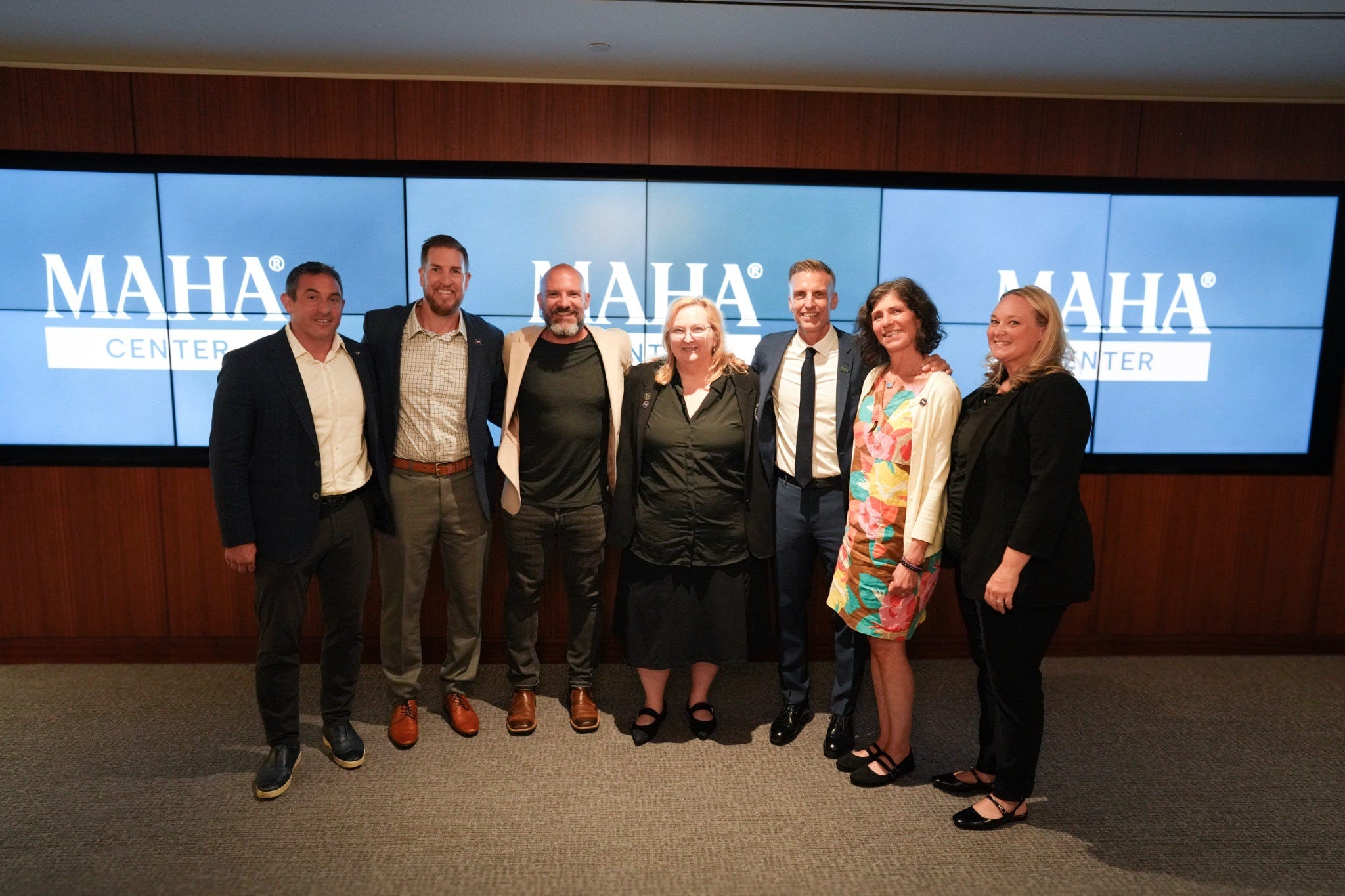
“MAHA is chiropractic’s moment to shine,” said Dr. Dubin-Master, arguing that chiropractic has long emphasized many of the same principles now highlighted by the MAHA movement: family wellness, maternal health, pediatric care, metabolic health, and prevention.
“We are the OG MAHA,” she said. “We’ve been doing this for 130 years. We’ve always had the answers.”
Yet as the MAHA movement gains momentum in Washington, D.C., and around the country, Dubin-Master noticed that chiropractic was not consistently represented at many of its events. She believes the profession needs a stronger presence and that chiropractors have a role to play in the broader conversation around preventative health. That’s why, with the help of Merinoff and Dr. Steve Tullius, Dubin-Master started the MAHA Chiropractic Working Group.
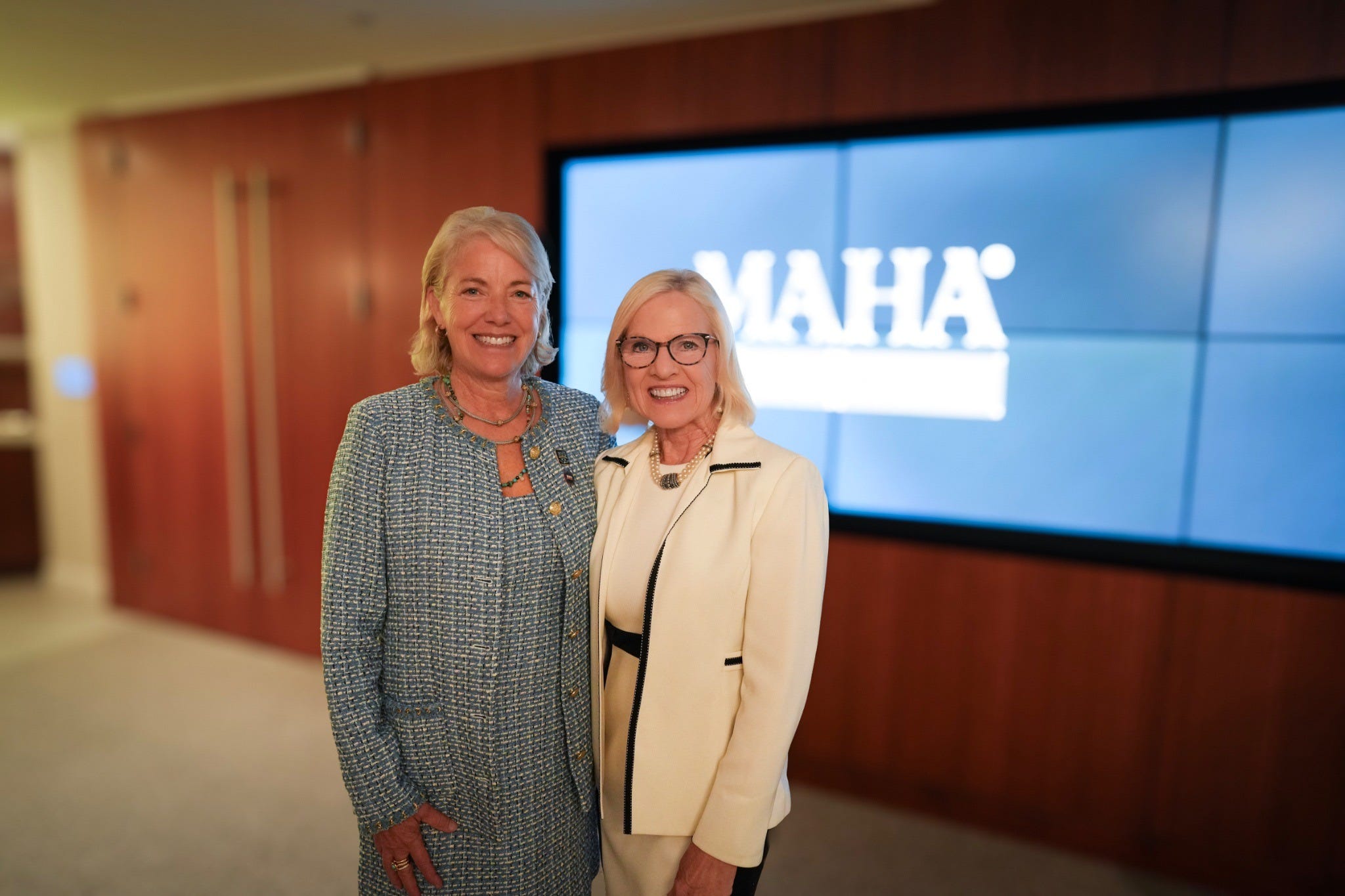
Former Delaware Governor Bethany Hall-Long brought a public health perspective to the discussion, emphasizing the importance of preventative care and policies that improve outcomes while reducing costs.
The Roundtable also addressed mainstream medicine’s frequent attacks on chiropractors, alleging the unfounded view that chiropractic care can cause strokes. Legal experts John Salvucci and Kyle Allen discussed the research: There is NO causal link between spinal manipulation and stroke.
For chiropractic advocates, the Medicare bill is only one piece of a much larger movement. The future they envision includes chiropractic access parallel to that of the current medical system; funding for research; innovative practice models; and a healthcare system that places greater emphasis on prevention.

On a personal note: In my senior year of high school, I took a hard fall during a soccer game. For days afterward, I could barely walk. The pain in my hip was intense, and it felt like my body was “out of place.”
I went to the doctor, where I was referred for physical therapy and pain medication. Instead, I decided to visit a chiropractor. After taking scans of my leg and evaluating the injury, he performed an adjustment.
I still remember the sound: “POP.”
Within moments, I felt a noticeable release. The pain that caused me to limp for days was gone, and I could walk as I could before the injury. That experience shaped my personal view of chiropractic care and showed me why so many people seek it out.
On Monday, leaders acknowledged that while the profession has come a long way, it still faces challenges, particularly surrounding research funding and institutional acceptance. They argue that greater investment in chiropractic research is necessary to better understand where chiropractic care can play a role in improving health outcomes.
After more than 130 years of development, chiropractic is entering what may be its most influential chapter. Through legislative advocacy, research initiatives, school-based programs, and partnerships within the MAHA movement, the MAHA Chiropractic Hub Roundtable showed that chiropractic is a powerful voice in the future of American health care.
Shop our merch store to support the MAHA Report and the MAHA movement.
All proceeds go to supporting the cause.

Hi - this is wonderful. Please also look into instituting quality medical massage therapy. It can do wonders for managing pain. Thank you!
Been using chiropractic care for 40 years. I remember watching my Dad laying in a hospital bed for days in the 50s and 60s hooked up to a traction contraption in order to align his spine. It's hard to imagine how much that care could have helped him.