

By Catherine Ebeling, RN MSN, Contributor, The MAHA Report
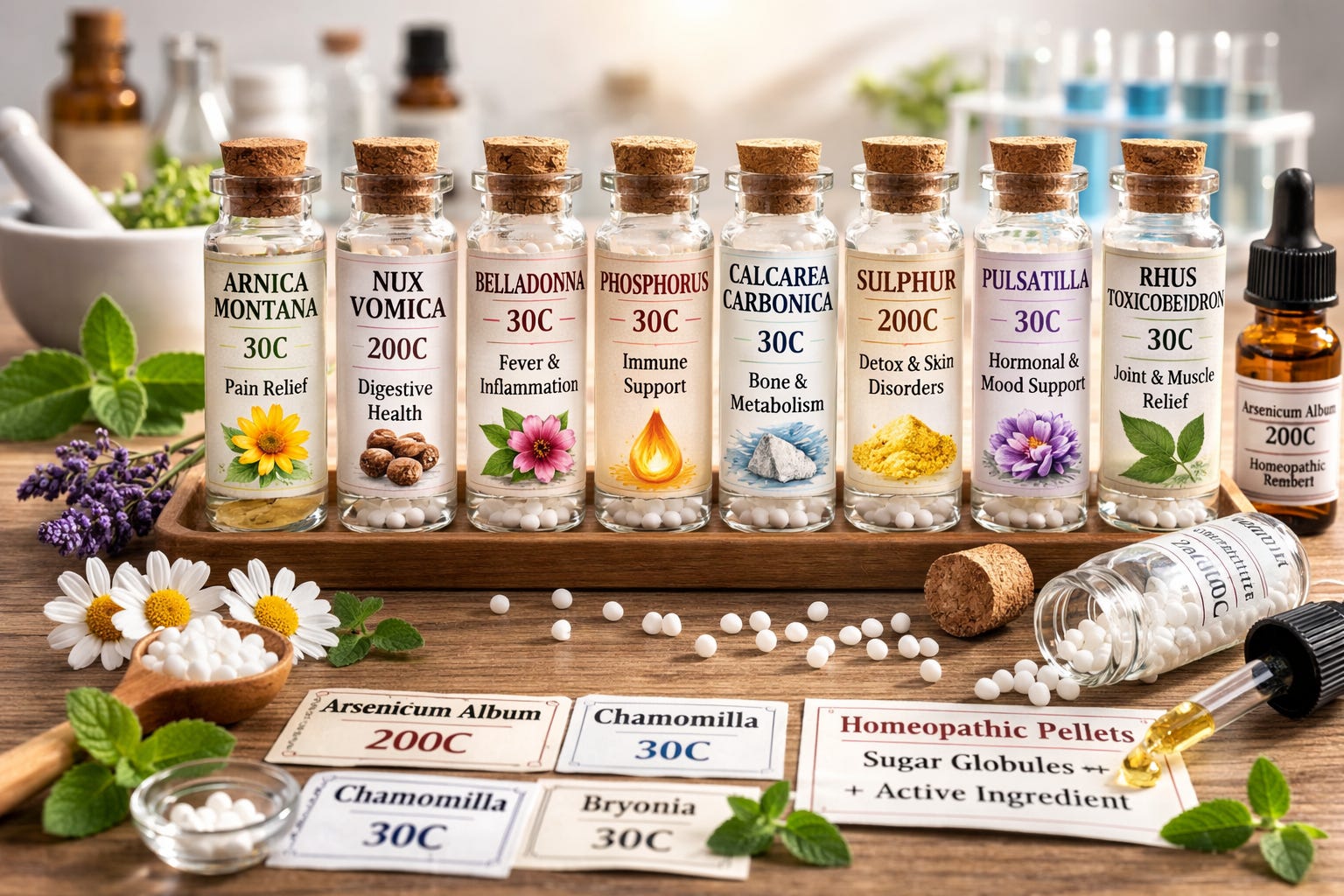
As Americans search for ways to restore health in the face of rising chronic disease, many families are rediscovering a traditional form of natural medicine—homeopathy.
Developed more than two centuries ago, homeopathy is a system of medicine based on the principle of “like cures like.” Substances that produce symptoms in a healthy person are used in highly diluted forms to stimulate the body’s healing response. Rather than targeting a single disease in isolation, homeopathic care focuses on supporting the body’s natural healing processes and restoring balance.
According to the World Health Organization, homeopathy is the second most widely used form of complementary and alternative medicine worldwide, next to herbal medicine.
Interest in alternative medicine comes as many more Americans question whether the current conventional healthcare system can address the nation’s chronic disease crisis. According to the CDC, 60 percent of American adults have at least one chronic condition and 40 percent have two or more chronic conditions. Chronic disease now accounts for roughly 90 percent of the nation’s $4.5 trillion in annual healthcare spending.
Health advocates within the Make America Healthy Again (MAHA) movement have increasingly emphasized prevention-first approaches. HHS Secretary Robert F. Kennedy Jr. notes that the nation’s health crisis cannot be solved simply by adding more medications to an already overburdened system.
“We need to start focusing on prevention and restoring health rather than simply managing disease,” Kennedy has said.
In many parts of the world, homeopathy is integrated into broader healthcare systems. Hospitals in the United Kingdom, India, and Pakistan have incorporated homeopathic treatments alongside conventional care. India alone has nearly 350,000 practicing homeopathic physicians.

Several European countries also include homeopathic training within medical education. In France, homeopathy is widely used by physicians. Estimates suggest close to half of French doctors refer patients for homeopathic treatment, and a study analyzing French health insurance databases found that ~95 percent of general practitioners and pediatricians prescribed at least one homeopathic during the study period.
This widespread adoption reflects strong global interest in preventative healthcare. Several characteristics have helped sustain homeopathy’s worldwide use for more than two centuries, including its strong safety record, individualized treatment approach, minimal reliance on multiple medications, and the affordability of homeopathic remedies.
Homeopathic remedies are generally considered non-toxic when manufactured according to established standards. Because of their relative safety profile, homeopathic remedies are often used for common illnesses and minor injuries.
“Homeopathy can often be used as a first line of defense for non-emergency conditions,” says Gabrielle Traub, a board certified classical homeopath who is also a bestselling author and founder of World Homeopathy Awareness Week, which this year runs from April 10 - 16.
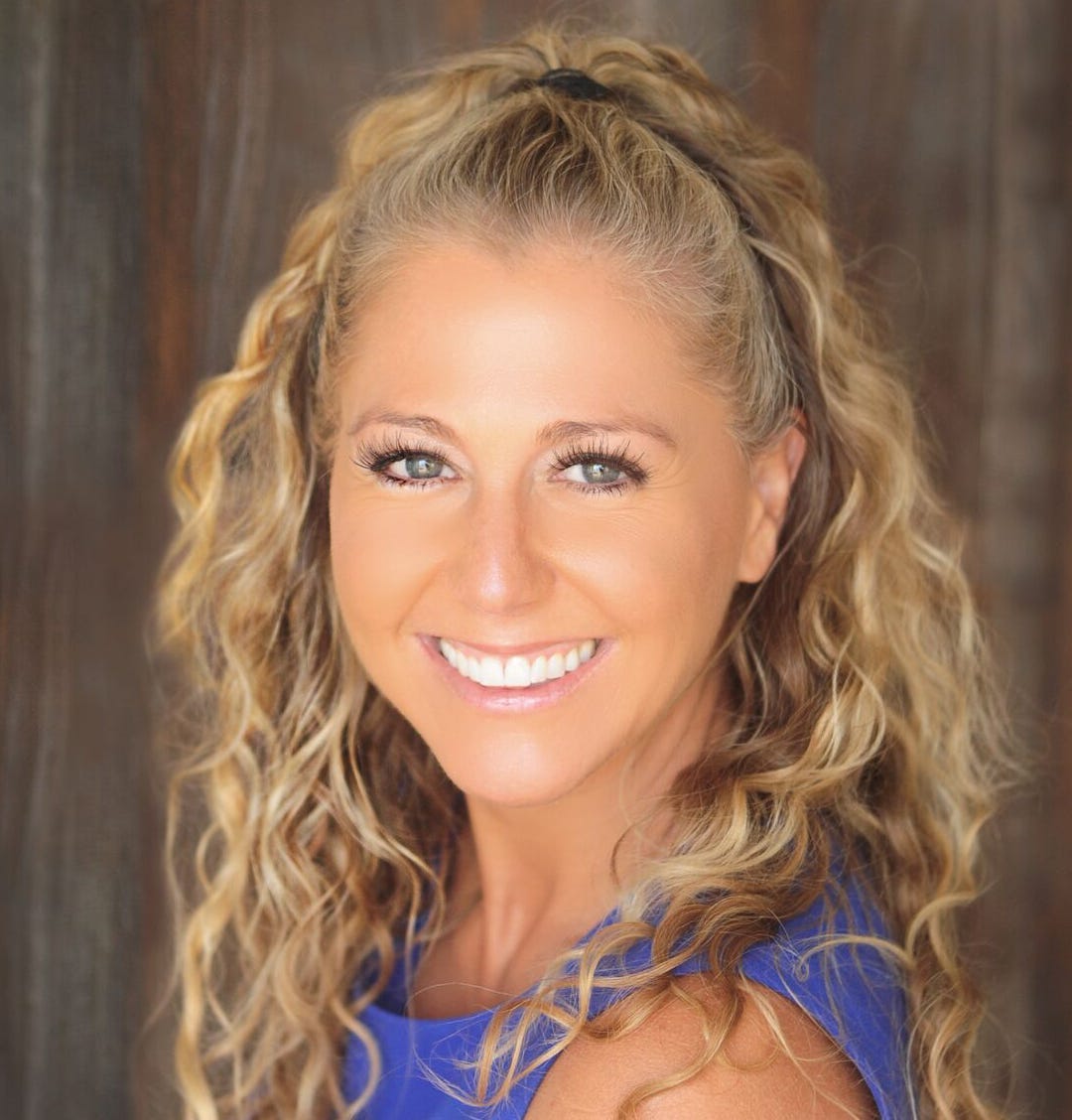
Continues Traub, “It helps people address health issues early and may prevent the cascade of multiple medications and side effects.”
Some of those illnesses include: colds, fevers, allergies, asthma, skin issues, GI problems, migraines, and anxiety.
Another defining feature of homeopathy is its emphasis on individualized care. Practitioners select remedies based on the unique symptoms of each patient, recognizing that two individuals with the same diagnosis may experience illness differently.
Homeopathy also typically uses a single remedy at a time, addressing what practitioners describe as the “totality” of symptoms rather than treating separate conditions with multiple medications.
“Homeopathy works by helping the body regulate its own immune responses,” Traub said. “Instead of constantly suppressing symptoms, the goal is to gently help restore balance.”
In the United States, a growing number of parents are also discovering homeopathy as a practical tool for caring for their families’ everyday health needs. Many practitioners refer to these mothers as “momeopaths”—parents who learn how to use homeopathic remedies at home for minor illnesses rather than immediately turning to over-the-counter medications or antibiotics.
While more complex conditions still require professional care, early home treatment of routine illnesses may help reduce unnecessary doctor visits and ease pressure on an already strained healthcare system.
Scientific research has examined homeopathy across a range of conditions, including pain management. Some studies suggest it may support recovery from injuries and post-operative care while reducing reliance on nonsteroidal anti-inflammatory drugs and opioids. Advocates for homeopathy have also investigated its potential role in addressing antimicrobial resistance by supporting immune function and reducing unnecessary antibiotic use.
Evidence includes randomized controlled trials, meta-analyses, observational studies, and laboratory research examining homeopathic treatments for conditions ranging from migraines and musculoskeletal injuries to respiratory infections, allergies, gastrointestinal disorders, and chronic disease.
Those subjects, and more, will be discussed during World Homeopathy Awareness Week, an international event which every year attracts practitioners, educators, and patients. According to Traub, the event is designed to highlight homeopathic research and the role this holistic system plays in preventative health care. The event now spans 46 countries, reflecting growing global interest in homeopathy.
“There is a substantial body of research on homeopathy,” Traub said. “World Homeopathy Awareness Week highlights the fact that this research exists and that homeopathy is being studied around the world.”
The week is part of a broader global shift toward preventative health, drawing attention to approaches that support the body’s natural healing capacity and expanding the range of options available to families outside of medication.
Homeopathy is a return to a form of medical practice that honors the body as its own best healing system; no wonder the MAHA movement embraces it.
Note: For more on homeopathy, please see the documentary, “Introducing Homeopathy,” available here: https://introducinghomeopathy.com/en/purchase/.
I have been using homeopathy for 50 years. It helped me get away from drugs used for air sickness. I only use homeopathy for that issue in my life. I also use it for common complaints, headaches, sinus issues, fevers, coughs...and I have many books that I have used to learn the techniques of using homeopathy.
Wonderful! I’ve been using homeopathy for years for us and our animals. When I saw actual effects in pets is when I realized it works. It’s not like hitting with a hammer like allopathic medicine , it’s gentler. Homeopath Joette Calabrese is my favorite and has much info on her website.