


Near the start of the second annual MAHA Summit on Tuesday in Washington, D.C., Tony Lyons, president of MAHA Center said the gathering represented “a critical moment in a movement that started with autism moms and grew into the MAHA revolution.”
“We’ve changed the way millions of people in this country think about food and medicine and farming and public health,” he said. “We changed the language that we use – words and phrases like ‘eat real food,’ seed oils, petroleum-based food dyes, beef tallow, ultra-processed foods and regenerative agriculture.”
But America, he said, still faces the “staggering reality” of rampant chronic disease, affecting 60 percent of the population.
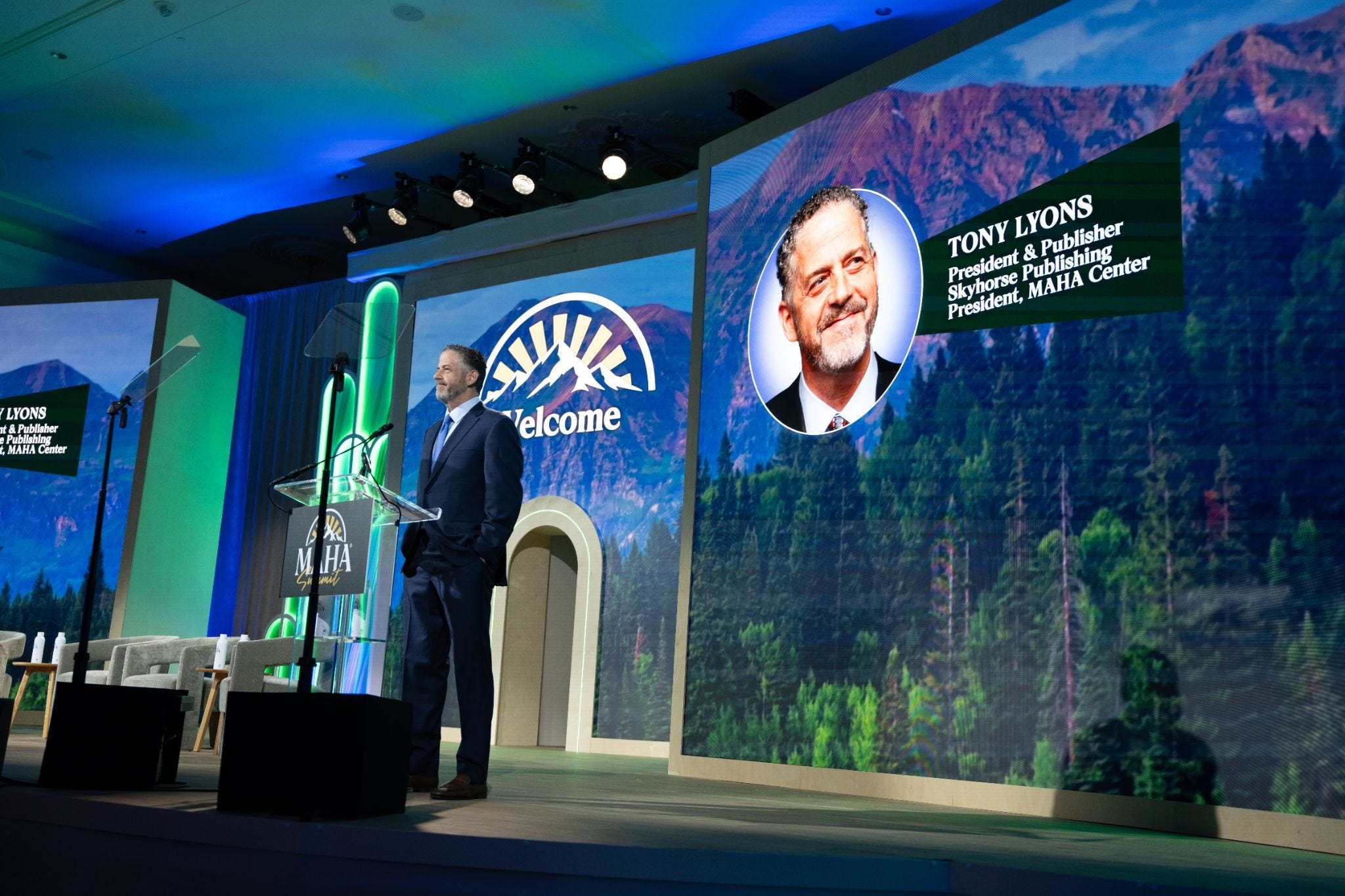
“But the most hopeful truth we carry with us in this room is that 85 percent of that chronic disease is entirely preventable, and even reversible,” said Lyons. “And we have the talent, the technology, the ingenuity to become the healthiest country in the world.”
To transition from a “sick care” system to a health care system that is proactive will take a “broad coalition,” he said, “A kind of a dream team where every sector of society has a seat at the table and has a role to play in the debate, and can then also participate in the progress.”
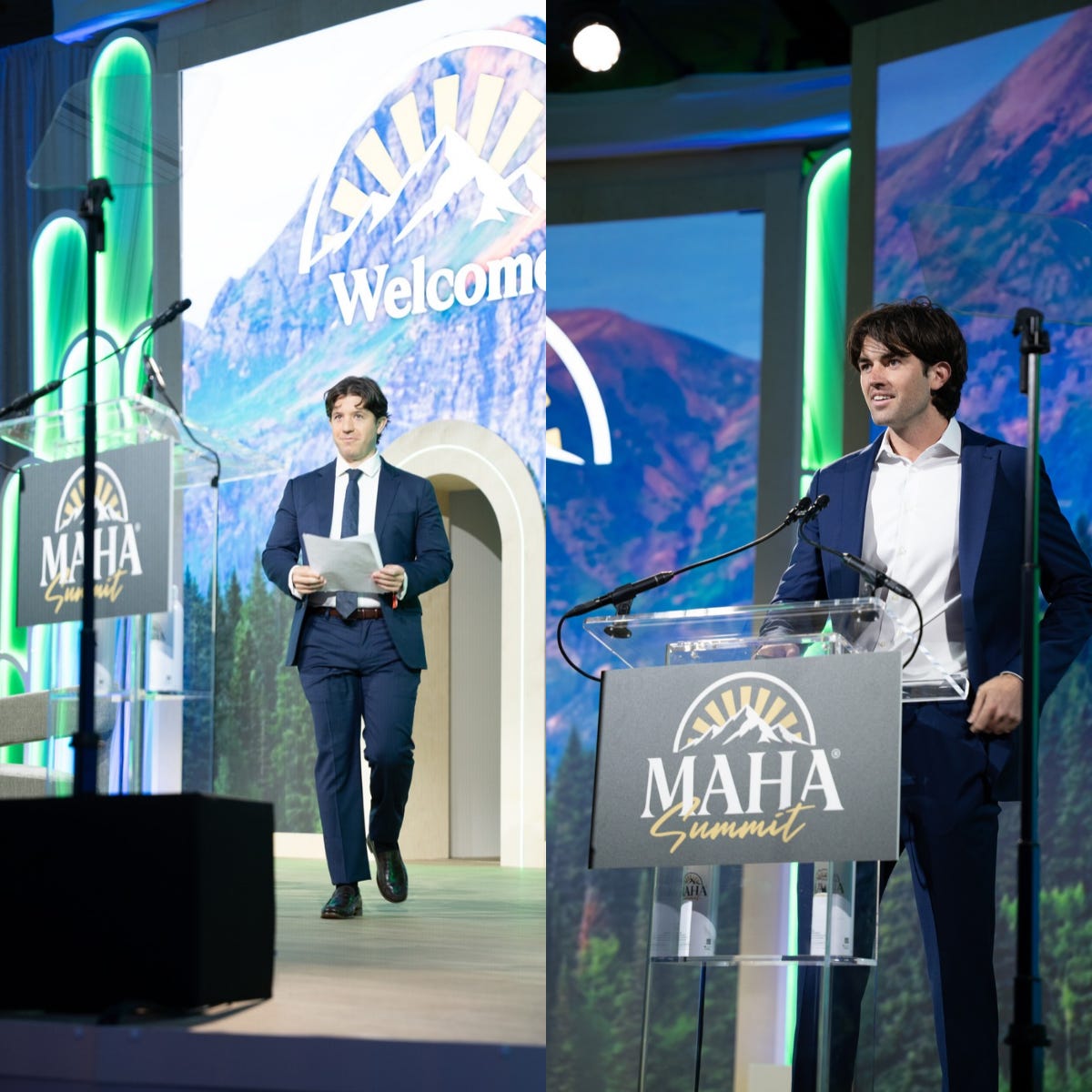
As the Summit unfolded, and different speakers took to the retro-futuristic, frequently morphing stage at the Waldorf-Astoria hotel’s ballroom on Pennsylvania Avenue, there was agreement that the dramatic changes in public health, nutrition and agriculture that have been made since February 2025, when HHS Secretary Kennedy was sworn in, are here for good and they’ll be no turning back.
The Summit attracted roughly 1,000 attendees and was livestreamed for audiences across the country.
“Every single boardroom in America is talking about MAHA,” said Calley Means, an advisor to HHS. “Every single boardroom in America is investing significantly into better food ingredients, and is thinking about toxins. That is happening to an unbelievable degree … We have established an incredible, historic trajectory that I don’t think is going away.”
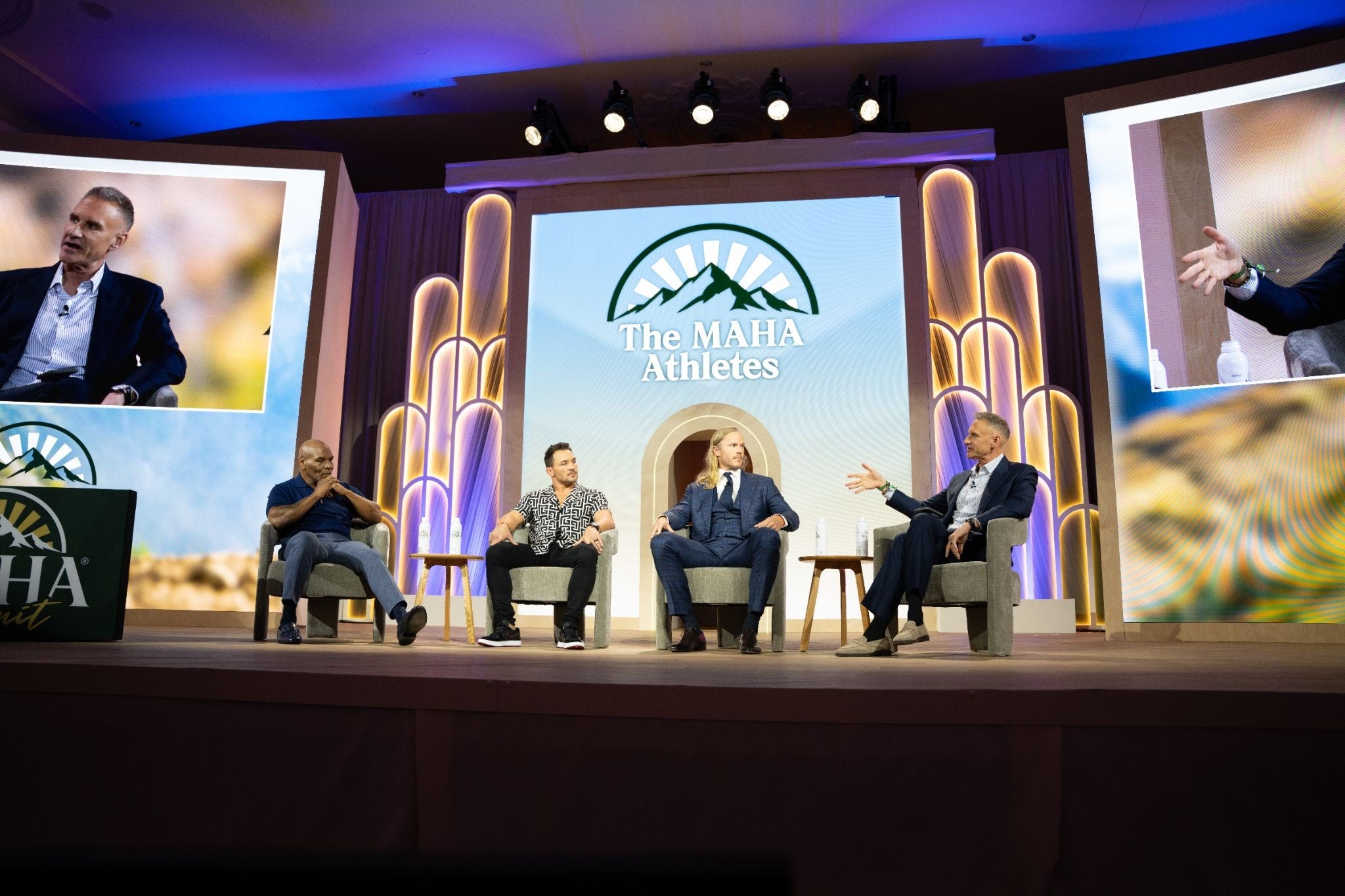
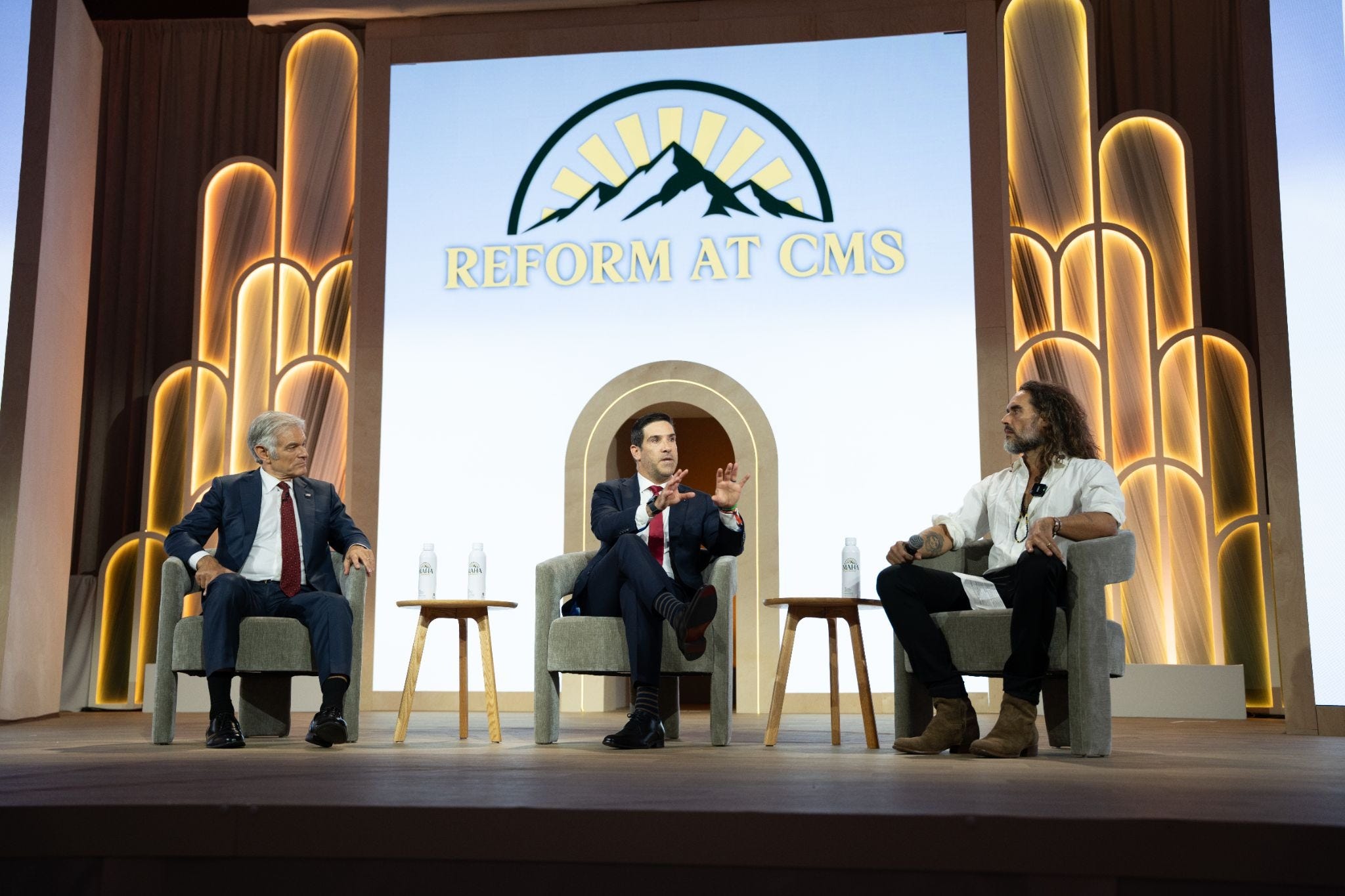
A diverse group of speakers addressed a variety of health topics. They included boxing icon Mike Tyson, who shared that his worst MAHA habit is snacking on Jolly Ranchers, and wellness and spirituality commentator Russell Brand, who moderated a panel featuring Dr. Mehmet Oz, head of the Centers for Medicare & Medicaid Services.
A central theme was securing healthier, less expensive food for all Americans, with one late day panel, “Real Food at Scale,” featuring Scott Morris, Senior Vice President of Private Brands at Walmart, the largest grocery retailer in the world.
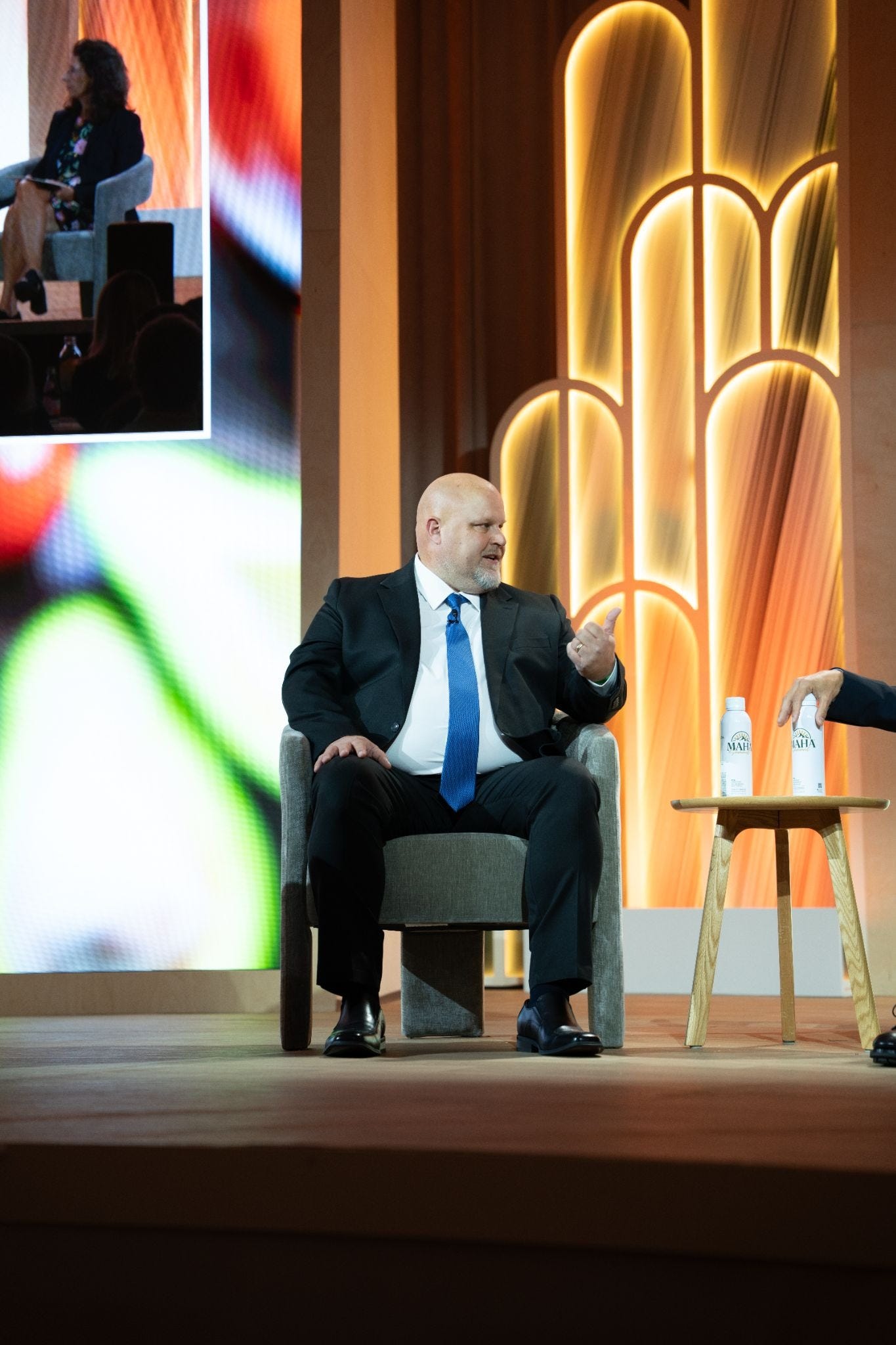
“I don’t think a single American shouldn’t be able to eat healthy because they can’t afford it,” Morris said during that discussion.
USDA Secretary Brooke Rollins’ appearance in a session titled “Securing America’s Food Supply & Environmental Innovation” offered a report card for the administration thus far.
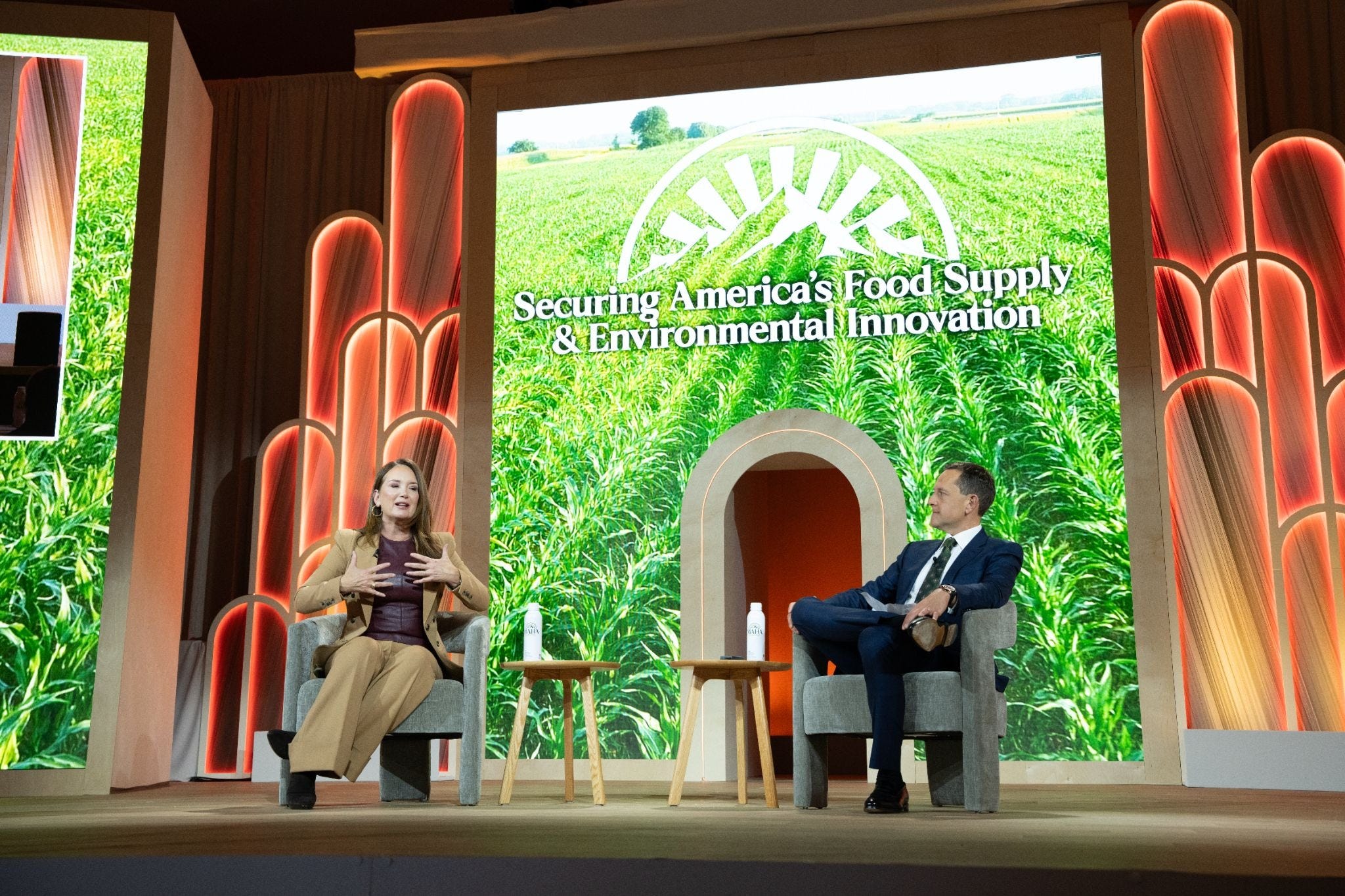
The question-and-answer session with Rollins focused on the administration’s agricultural policies, including efforts to improve federal food programs while increasing agricultural production. Their discussion opened with praise for the achievements of limiting soda and junk food for Supplemental Nutrition Assistance Program (SNAP) recipients. Secretary Rollins enthusiastically pledged to “get better food into SNAP,” then summarized rule changes requiring SNAP retailers to offer more fresh produce.
Secretary Rollins emphasized that her agency’s regenerative efforts have been “an extraordinary success.” Rollins made a huge announcement that the grant to regenerative farming grants is increased to $1 billion. She called the initiative the biggest regenerative agriculture announcement in history, stating, “We have had 15,000 grant applications. Fifteen thousand of our farmers have been approved for these grants for regenerative agriculture.”
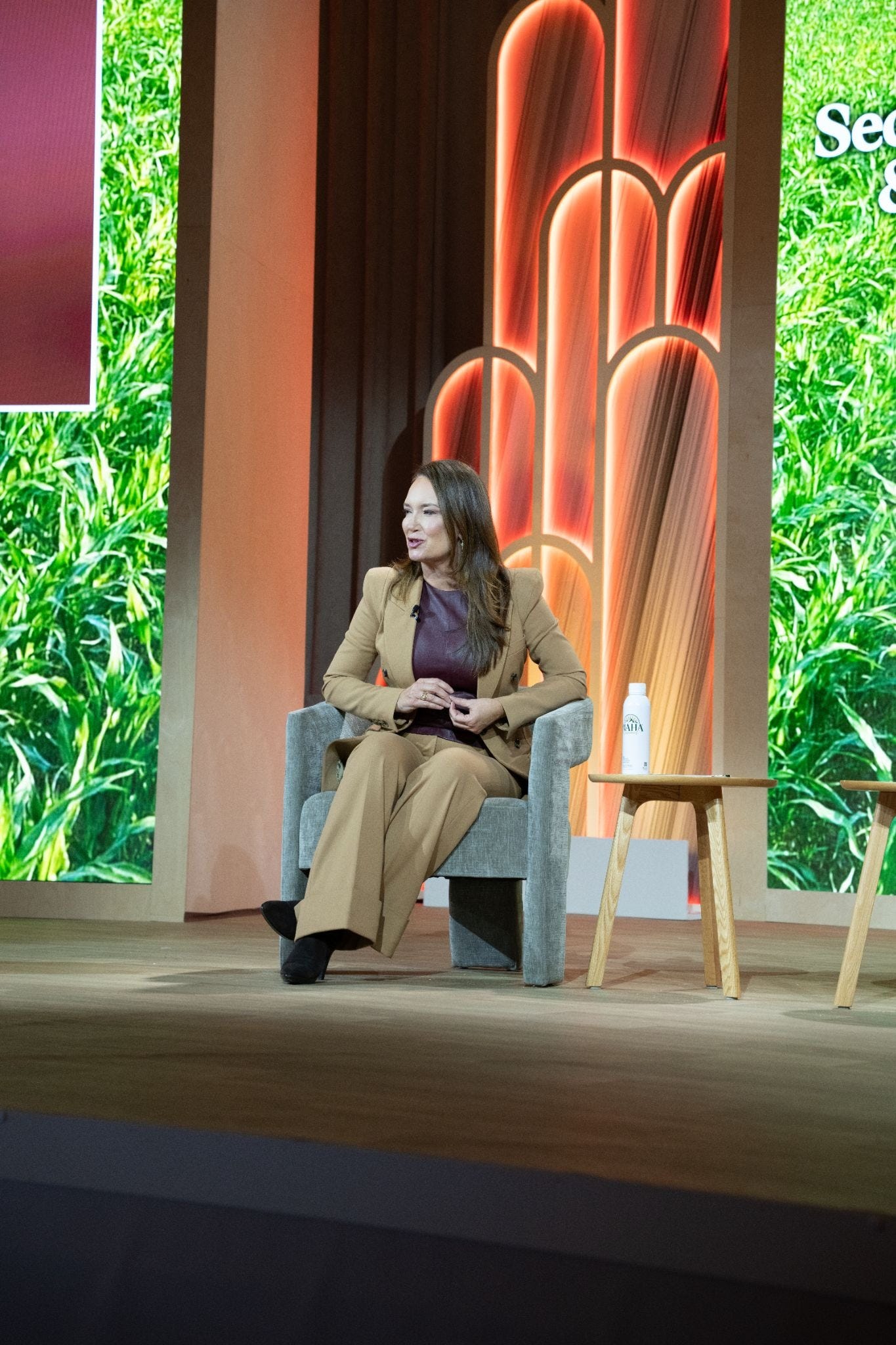
The school lunch program, Rollins said, represents a “massive opportunity” to transition school lunches from plastic containers and reheating food from outside vendors, to feeding children real meals made from locally grown, locally sourced food that’s been cooked on site in school kitchens.
Rollins reminded the audience of the jointly announced Harvest to Hallways program that “incentivize[s] the local purchasing of healthy food grown right next to our schools for our school lunches.”
In her effort to support domestic farmers and ranchers and source more school lunch, SNAP, and other foods from local regenerative producers, Rollins credited Secretary Kennedy for raising public awareness. She also warned that the fight to reverse decades of poor policy will not be won overnight.
“The swamp, the status quo, will always be a challenge, but we must keep running toward the goal…,” she said. “And I think Secretary Kennedy has done that as well as anyone perhaps in our lifetimes. It’s my honor to partner with him in that important effort, and I think we’re going to continue to see some real wins.”
During his panel, Calley Means was seated on the stage with Kyle Diamantas, the acting commissioner of the FDA, Lee Zeldin, Secretary of the EPA and Tony Lyons as moderator.
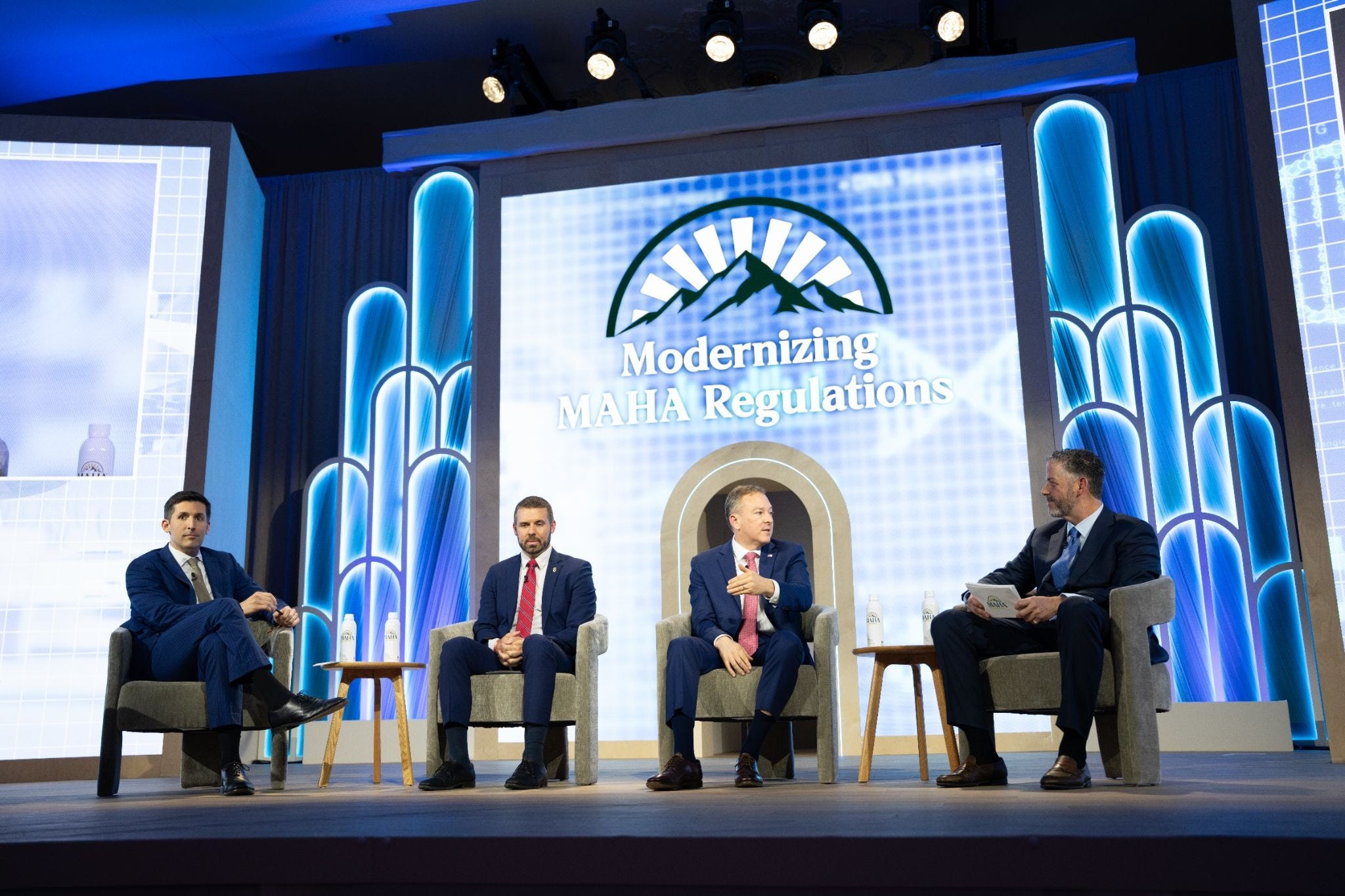
“We were with Secretary Kennedy last night,” said Diamantas. “And one of the things he said is that if he got hit by a bus tomorrow, HHS would never go back to the way it was before. And that’s fundamentally true.”
As evidence of lasting changes, Diamantas pointed to HHS closing the GRAS (Generally Recognized as Safe) loophole to require that companies notify the FDA when introducing a new ingredient or chemical into the food supply. He also said that for the first time in history, the FDA is setting up a process to review problematic ingredients that are already in American food.
The agency has also introduced a federal regulation that will allow the government to compile a list of ingredients found in food, something most Americans would likely be astonished to know does not yet exist.
Means talked about the other revolutionary changes at HHS in just the last year and a half: The new food pyramid that puts protein at the top; the removal of harmful food dyes; HHS working with 40 states to ban cell phones in schools; and HHS coordination with 30 states to ban soda and candy from SNAP.
“We are on a 10-year journey to really marshal a grand conversation about what the future of healthcare looks like, what the future of food looks like,” said Means.
He said that as secretary of HHS, Robert F. Kennedy Jr. is pushing for transparency.
“He wants the truth to get out,” he said.
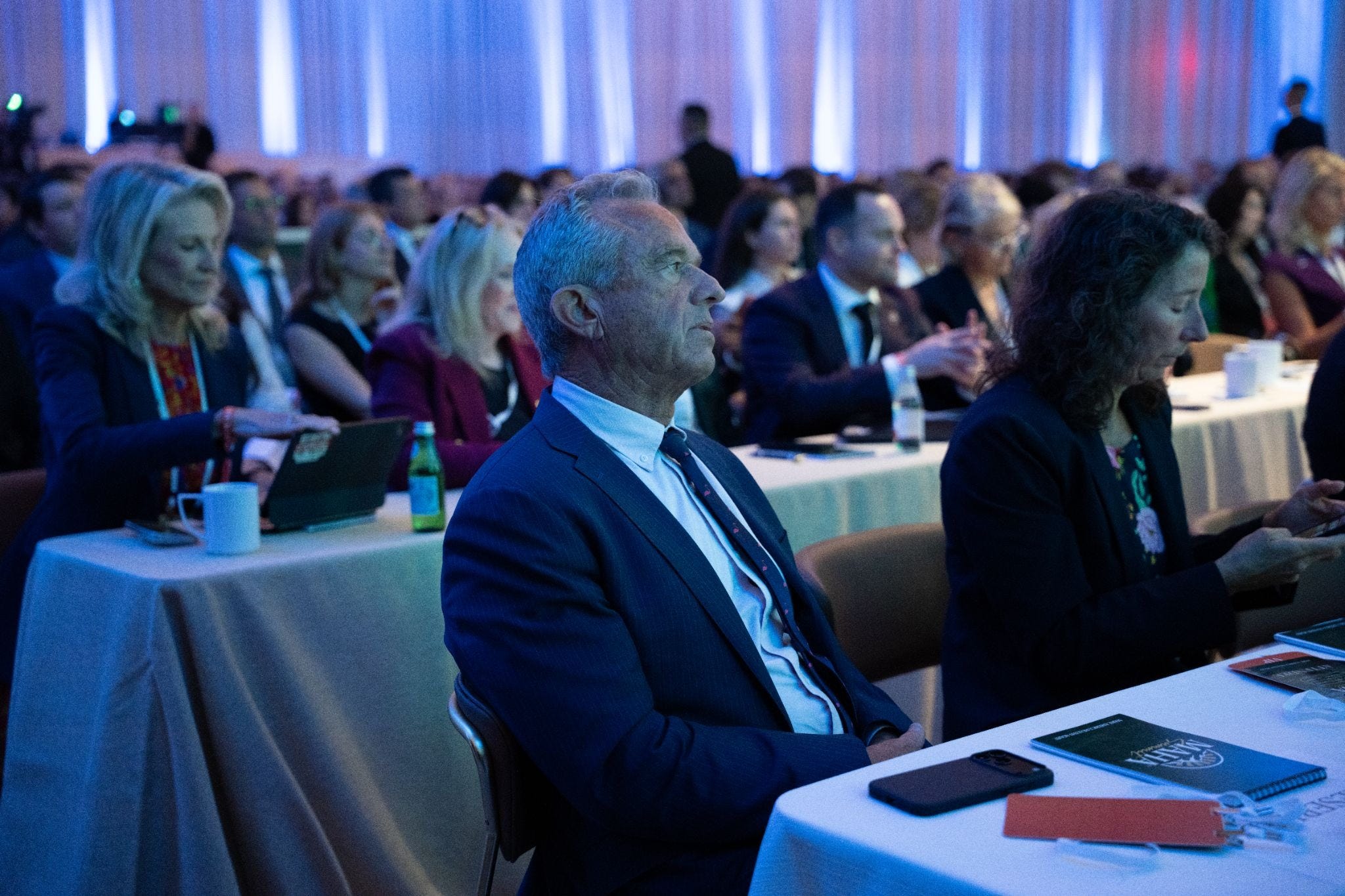
One of Kennedy’s closest advisors, Stefanie Spear, moderated the late afternoon panel, “Real Food at Scale” – featuring Jonathan Neman, the founder and CEO of SweetGreen; Morris, the Wal-Mart executive; and Michael Boes, the chief MAHA officer at Steak ’n Shake, who has guided the burger chain’s transition from seed oils to beef tallow (to cook french fries) and to grassfed beef for its burgers.
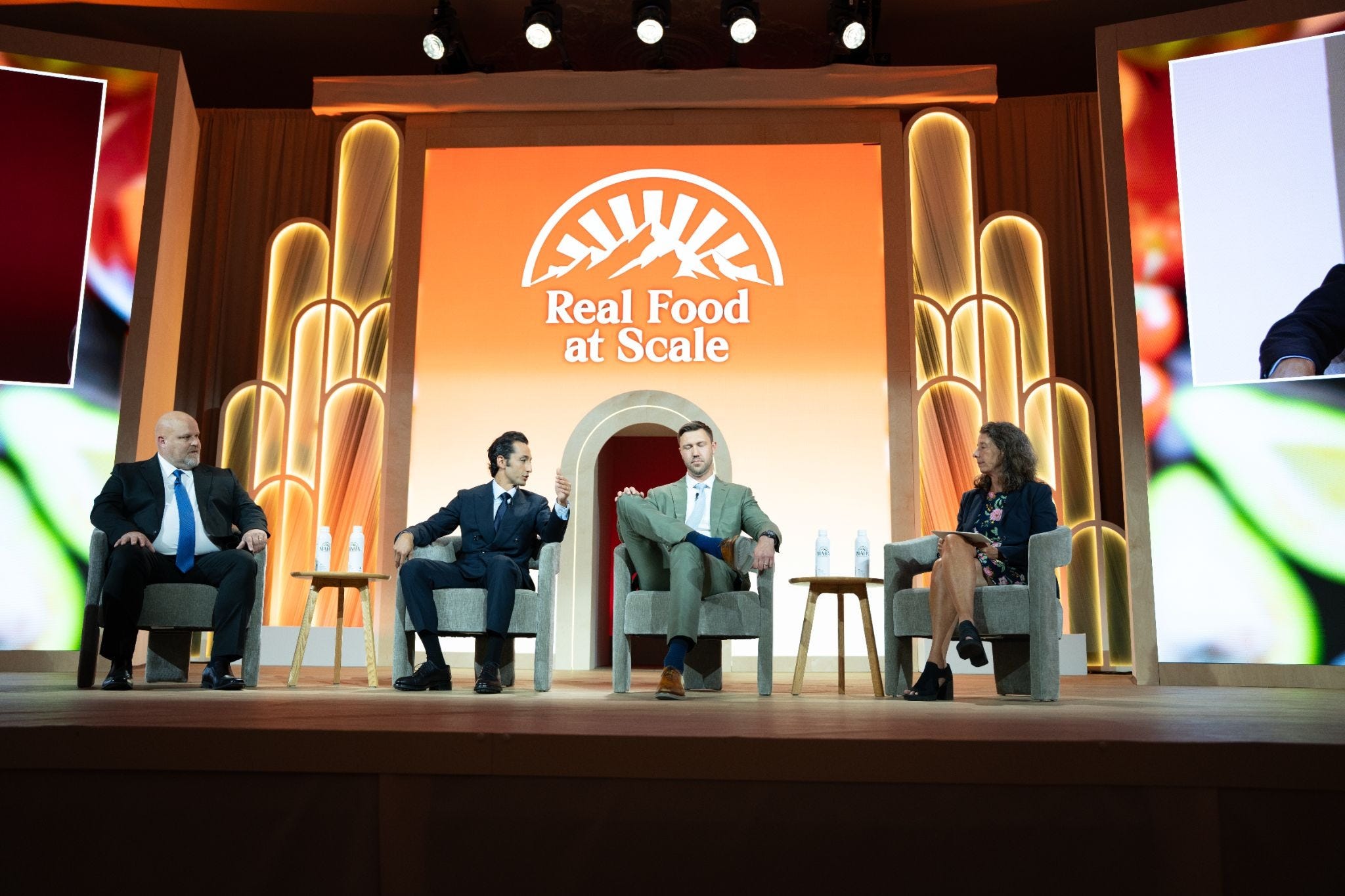
“These policies are going to stick. MAHA is here to stay,” said Spear. “And I think companies see that now. I think that’s why we have more than 50 percent of companies doing all these voluntary commitments and taking dyes out of their food…I think that’s something we can all be proud of and it’s going to definitely help make America healthy again.”
Before Cheryl Hines introduced her husband, Robert F. Kennedy Jr., and Vice President J.D. Vance, she announced seven full-day MAHA Symposiums scheduled over the next 12 months, another sign that MAHA is here to stay.
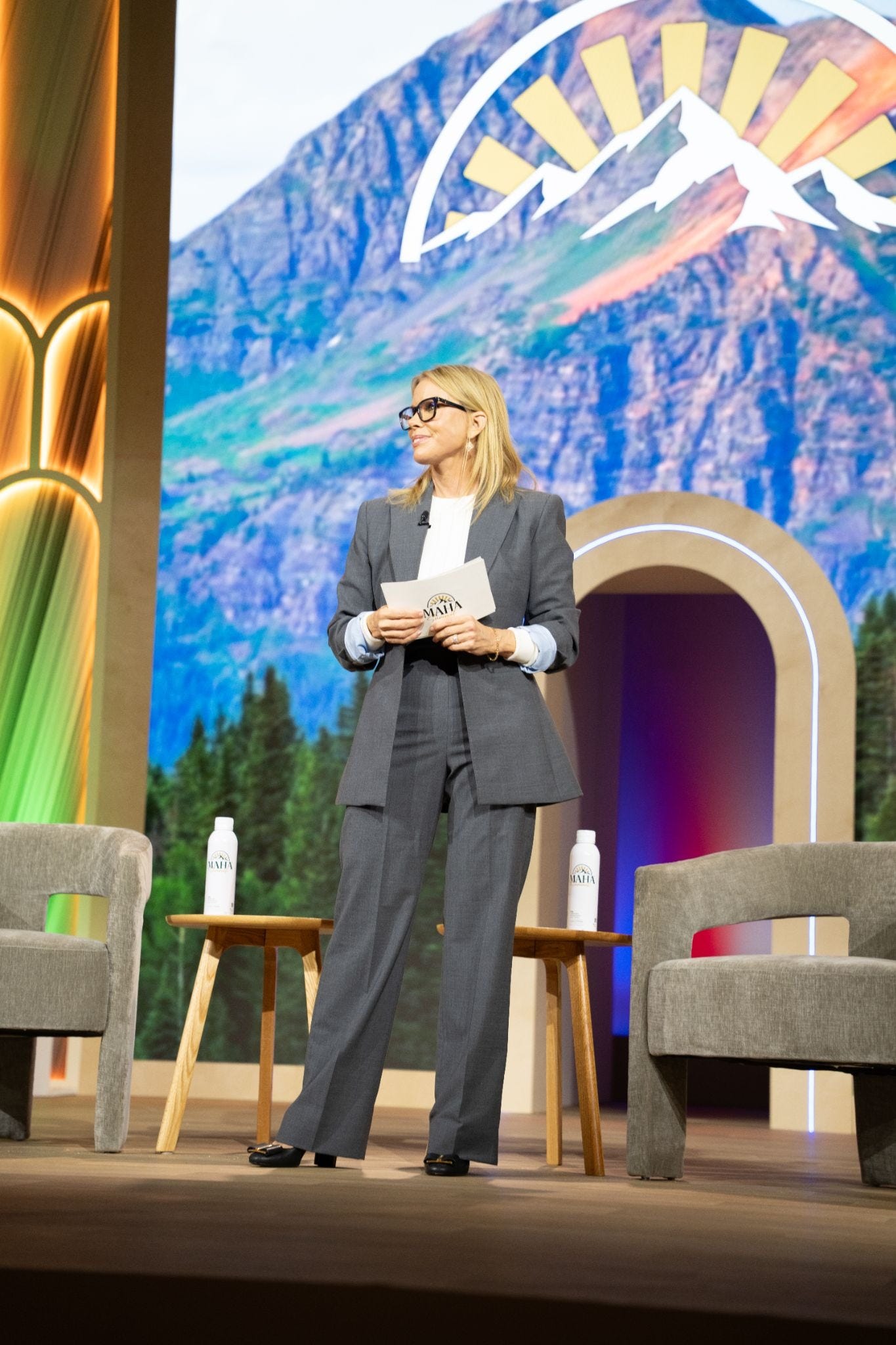
Then, with impeccable comic timing, she said, “And now I’d like to introduce two guys you’ve never heard of…”
The audience laughed and applauded as Kennedy and Vance took the stage.
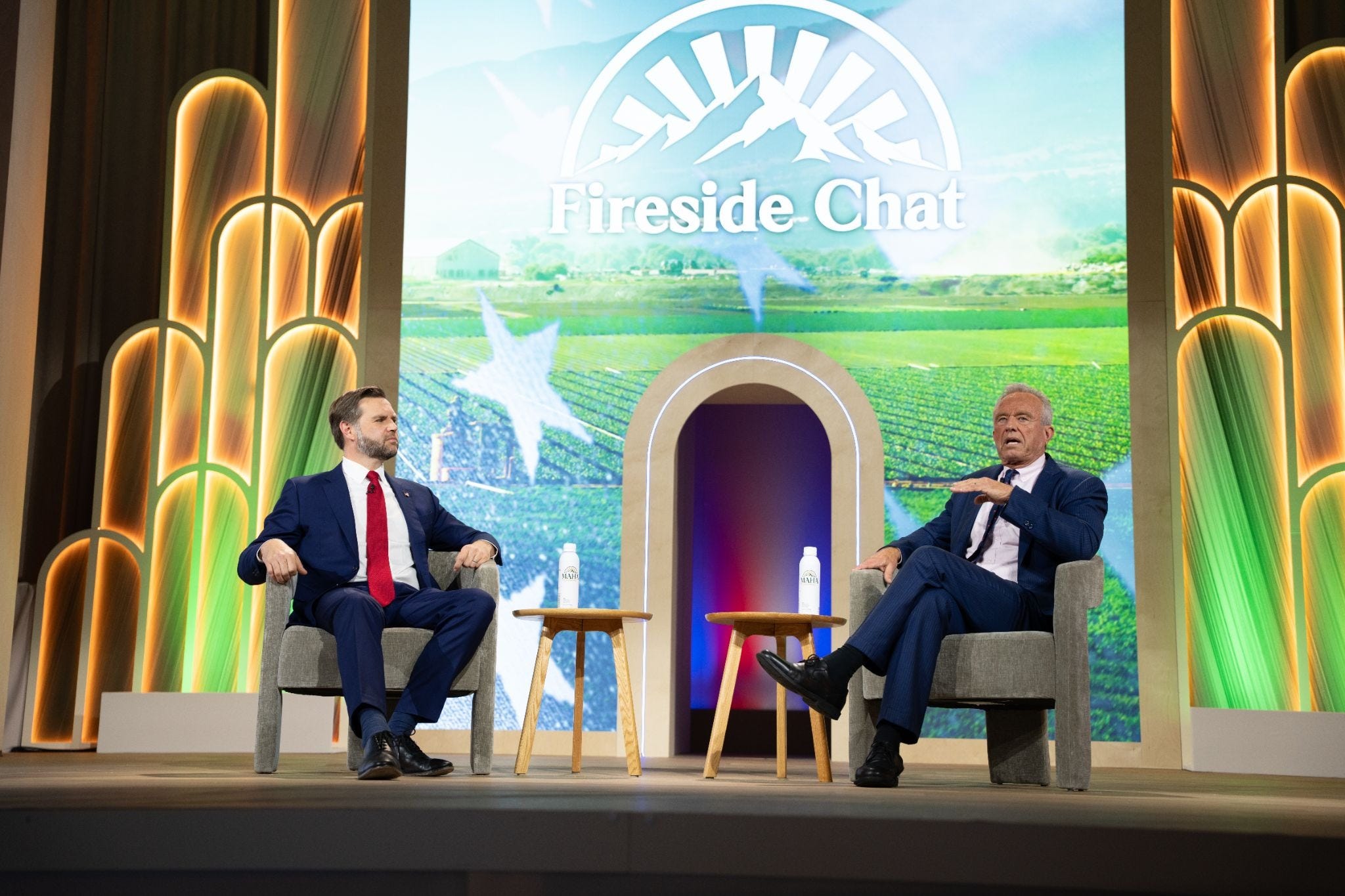
As some of the speakers had before him, Kennedy addressed the issue of AI, or Superintelligence, and how it will change healthcare.
HHS has done more than any other agency to drive demand for Superintelligence, he said, referring to the “tremendous potential” of AI to help solve problems in healthcare.
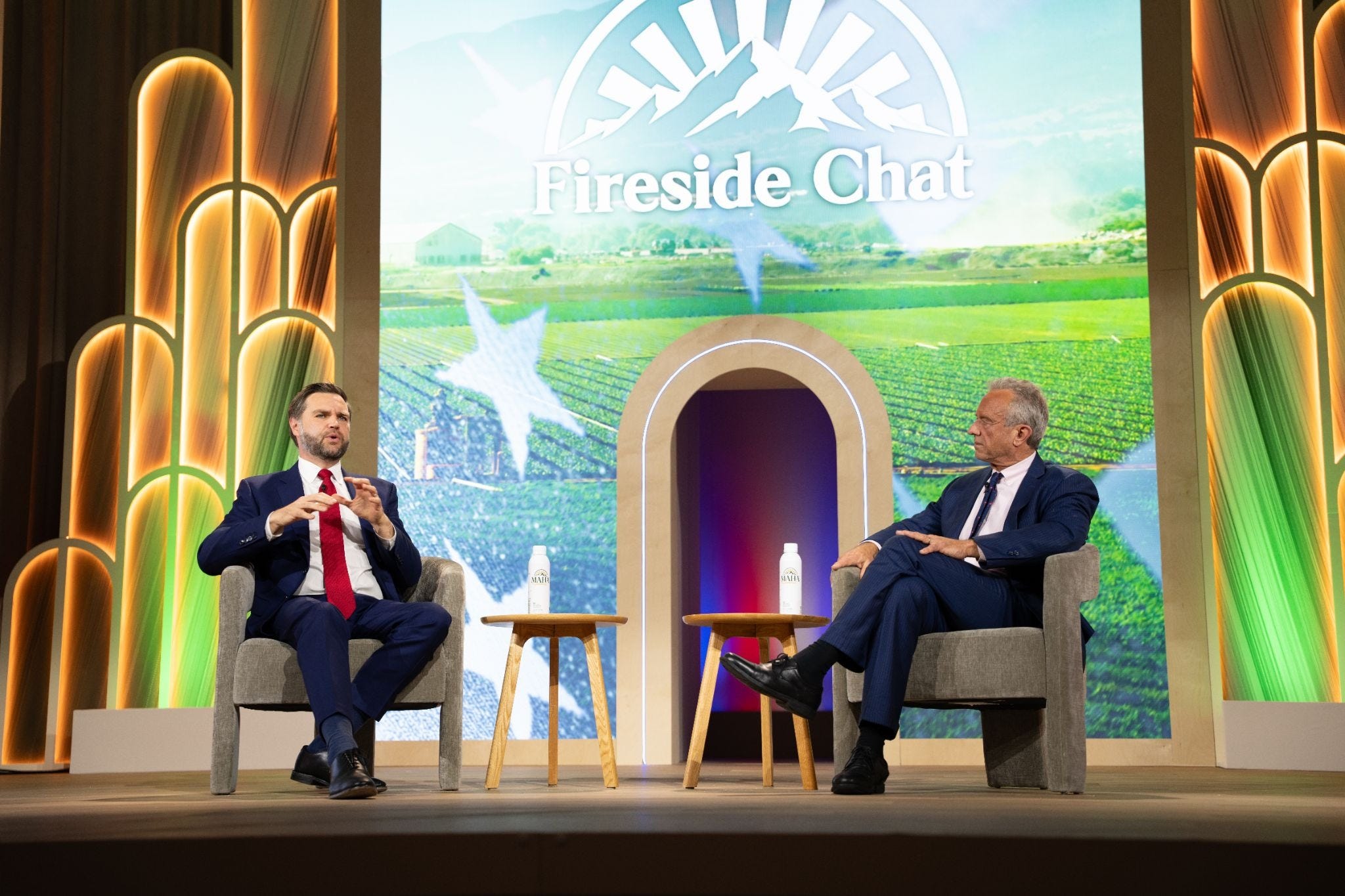
By 2029, he said, Americans will have access to their medical records on their cell phones. But it goes much deeper than just efficiency.
“One of the things that is going to change is that we’re never, ever again going to be able to be dominated by public officials who tell us, ‘Trust the experts,’” Kennedy said.
He continued, “Every American will be able to check their own medical advice. They’ll also be able to check the advice of public officials. And if somebody tells you, ‘Masks work. Trust the experts,’ AI may tell you otherwise. If somebody tells you, ‘Social distancing works, trust the experts,’ AI may correct that. And if somebody tells you that a vaccine will prevent transmission and infection and you need to take it to protect your grandmother, AI may tell you, ‘It actually doesn’t do that.’”

[You can watch the full MAHA Summit, here].
“... America, he [Tony Lyons] said, still faces the “staggering reality” of rampant chronic disease, affecting 60 percent of the population.
. . .
Perhaps largely due to an “inconvenient word”? (never once mentioned in this post). See the documentary: aninconvenientstudy.com
“We were with Secretary Kennedy last night" ... one of the things he said is that if he got hit by a bus tomorrow, HHS would never go back to the way it was before"." … “These policies are going to stick. MAHA is here to stay,” said [Stephanie] Spear.”
. . .
“Personnel is policy.” Look at the Covid Era heroes who have “resigned” (or been fired) this year at FDA: Dr. Marty Makary, Dr. Vinay Prasad, Tracey Beth Hoeg.
I just watched an interview with Hoeg by Paul Thacker at his “Disinformation Chronicle” Substack “"Fired FDA Official Dr. Tracy Beth Høeg Exposes What’s Hidden Behind Closed Doors” – Dr. Tracy Høeg on School Closures, Masking Children, Vaccine Deaths, and White House Interference at FDA
P.S. On 9/14/26, President Trump nominated Heidi Overton (White House Deputy Assistant for Domestic Policy) to replace Dr. Makary to head the FDA (Bartlett, Tom (July 24, 2026). "The White House's MAHA Gatekeeper". The Atlantic)