


On Monday, September 28, the MAHA Institute hosted its Open Data Summit at the Willard Hotel in Washington, D.C., bringing together federal health officials, researchers, health information exchanges, physicians and technology leaders to address one of the less visible problems underlying America’s healthcare crisis: the fact that Americans often cannot easily access their own medical records.
The summit, entitled “Building a Health Data Architecture for America,” focused on creating a health data system that allows medical records to move securely between patients, doctors, researchers and public health agencies.
The MAHA Institute says the goal is to make health data more accessible while maintaining privacy and security.
Mark Gorton, president of the MAHA Institute, opened the summit by arguing that modern medicine cannot function effectively without modern data infrastructure.
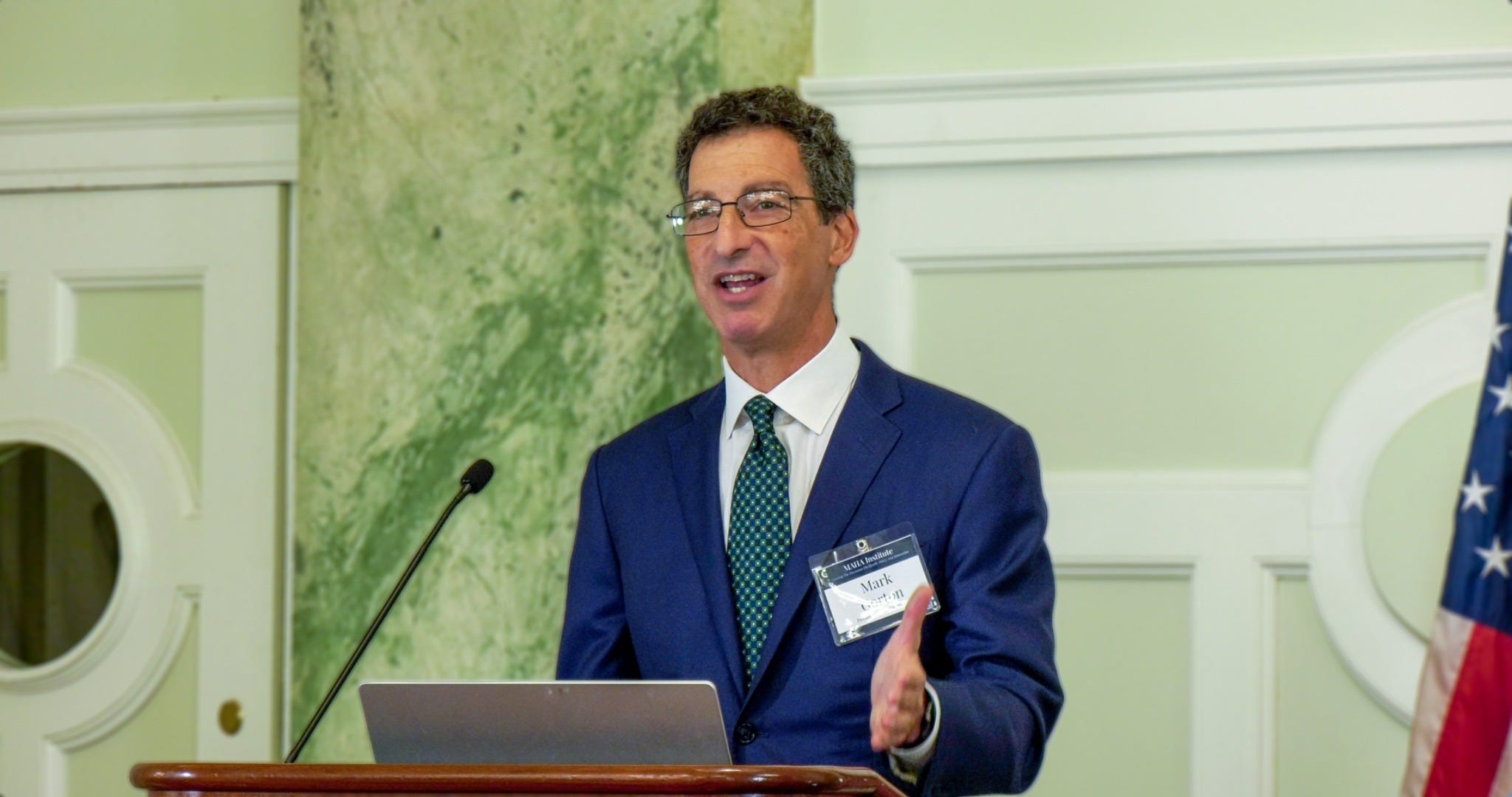
“Having a modern health data infrastructure is foundational to nearly every aspect of our medical system,” Gorton said.
Gorton argued that the country has invested heavily in healthcare while failing to make the same investment in the underlying systems that organize and connect health information.
“Patients struggle to access records. Doctors struggle to see records. Researchers can’t access crucial data,” he said.
The Patient as the “Integration Layer”
The most immediate problem discussed throughout the summit was the experience of patients navigating a fragmented healthcare data system.
Amy Gleason, administrator of DOGE and both deputy administrator and chief product officer of Centers for Medicare & Medicaid Services (CMS), described her daughter Morgan’s experience living with a rare autoimmune disease known as juvenile myositis. Morgan sees doctors across multiple health systems and, at one point, had 51 separate patient portals.
Gleason said that having multiple health providers had turned Morgan into the sole person responsible for connecting her own records. In other words, she had to do all the administrative leg work herself. With chronic disease on the rise, for many this burden is impossible to navigate.
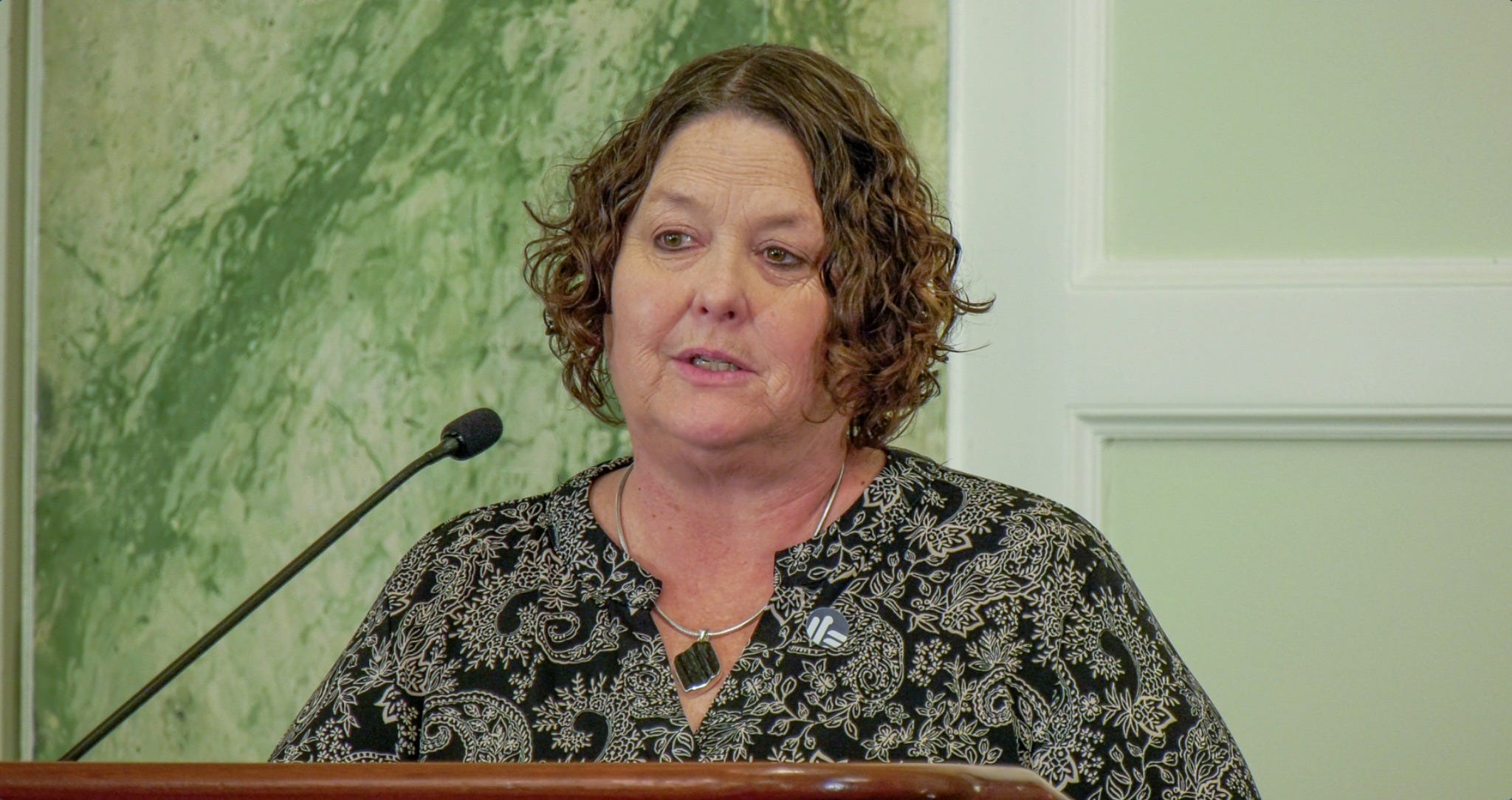
“We made the patient the integration layer,” Gleason said.
The consequences are not merely inconvenient. Gleason described having to physically transport medical records and MRI discs between doctors and watching insurance companies deny claims because information from previous providers was unavailable.
“Get your data today because it’s coming for you or your loved one sometime, and you’re going to need to be able to help them,” Gleason told attendees.
Gleason outlined CMS’s HealthTech ecosystem, which aims to allow patients to verify their identity once and retrieve their health records through an app of their choice. The initiative also includes a Medicare App Library intended to help patients identify applications that meet privacy and security requirements.
From Interoperability to Individual Ownership
Dr. Donald Rucker, chief security officer of 1upHealth and former national coordinator at ONC, argued that healthcare remains fundamentally different from nearly every other modern industry because its information systems were not built around easy data exchange.
“We have almost no automation,” Rucker said. “Hospitals … [are] still document-centric.”
Rucker believes healthcare needs to move toward Application Programming Interfaces (APIs) and modern data-sharing infrastructure that allow patients and authorized users to access information without unnecessary barriers. In simple terms, APIs would allow different healthcare systems to “talk” to each other, making it easier for patients and their doctors to access and share medical records.
Raymonde Uy, medical director of health informatics at the National Association of Community Health Centers, said the medical records need to be packaged so that both doctors and computers can actually find it, understand it and use it.
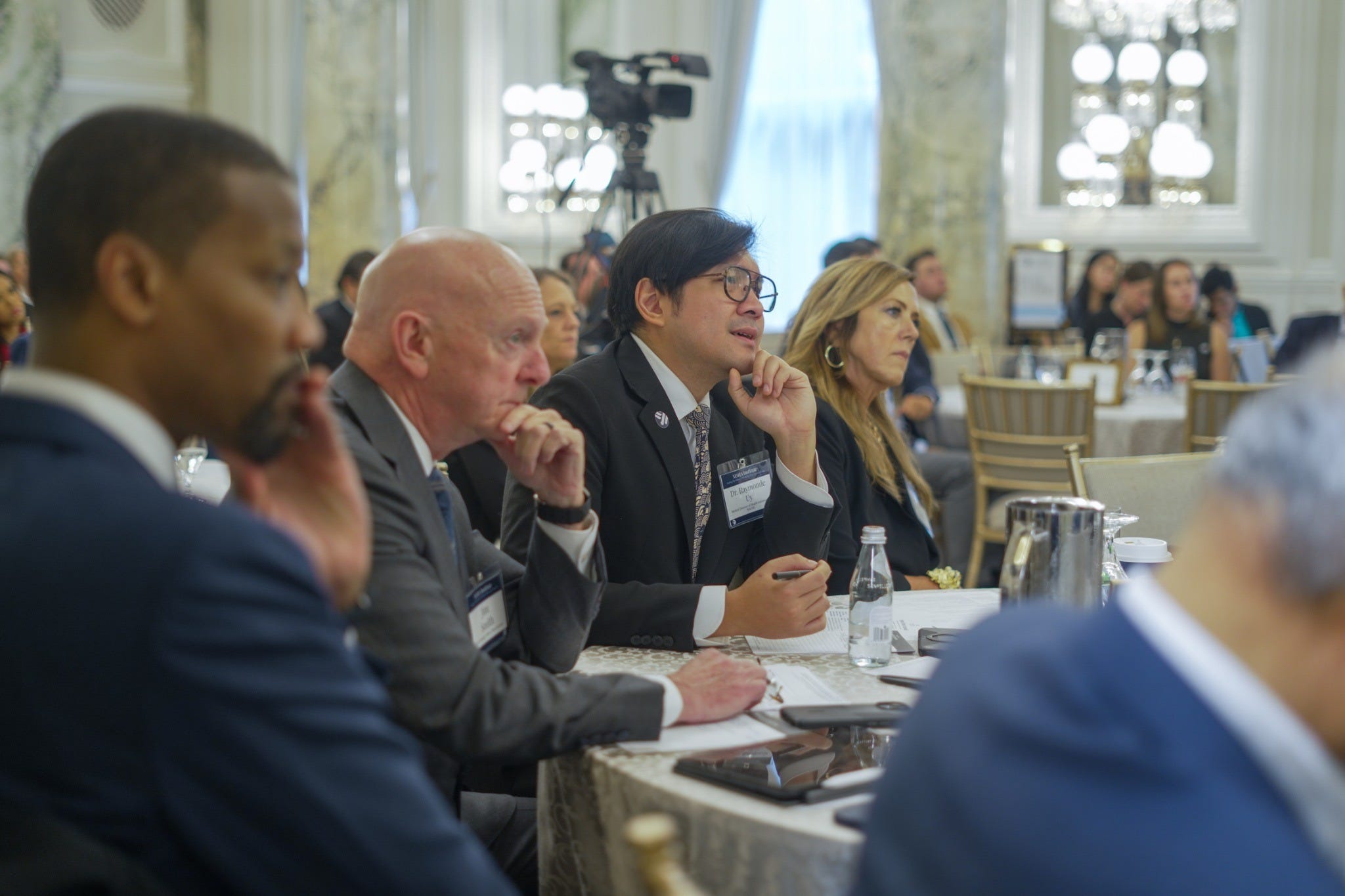
“The data must be represented semantically, not just transported,” Uy said.
A patient’s record may contain their medications, diagnoses or screening history, but if that information is buried or unreadable to the next doctor, the data is useless.
Building a National Health Data Infrastructure
NIH Deputy Director Nicole Kleinstreuer described efforts to connect research datasets that currently operate independently, including the All of Us Research Program and other federal health data resources. The All of Us Research Program is already building a massive database combining participants’ medical records, genetic information, surveys and wearable-device data to “advance research.”
Still, the scale and sensitivity of that information also raise significant privacy and data-security risks if it is breached or misused.
Kleinstreuer said researchers repeatedly spend time and money rebuilding the same “plumbing” by linking, cleaning and organizing datasets, rather than using a shared infrastructure.
Opening Vaccine Safety Data to Independent Research
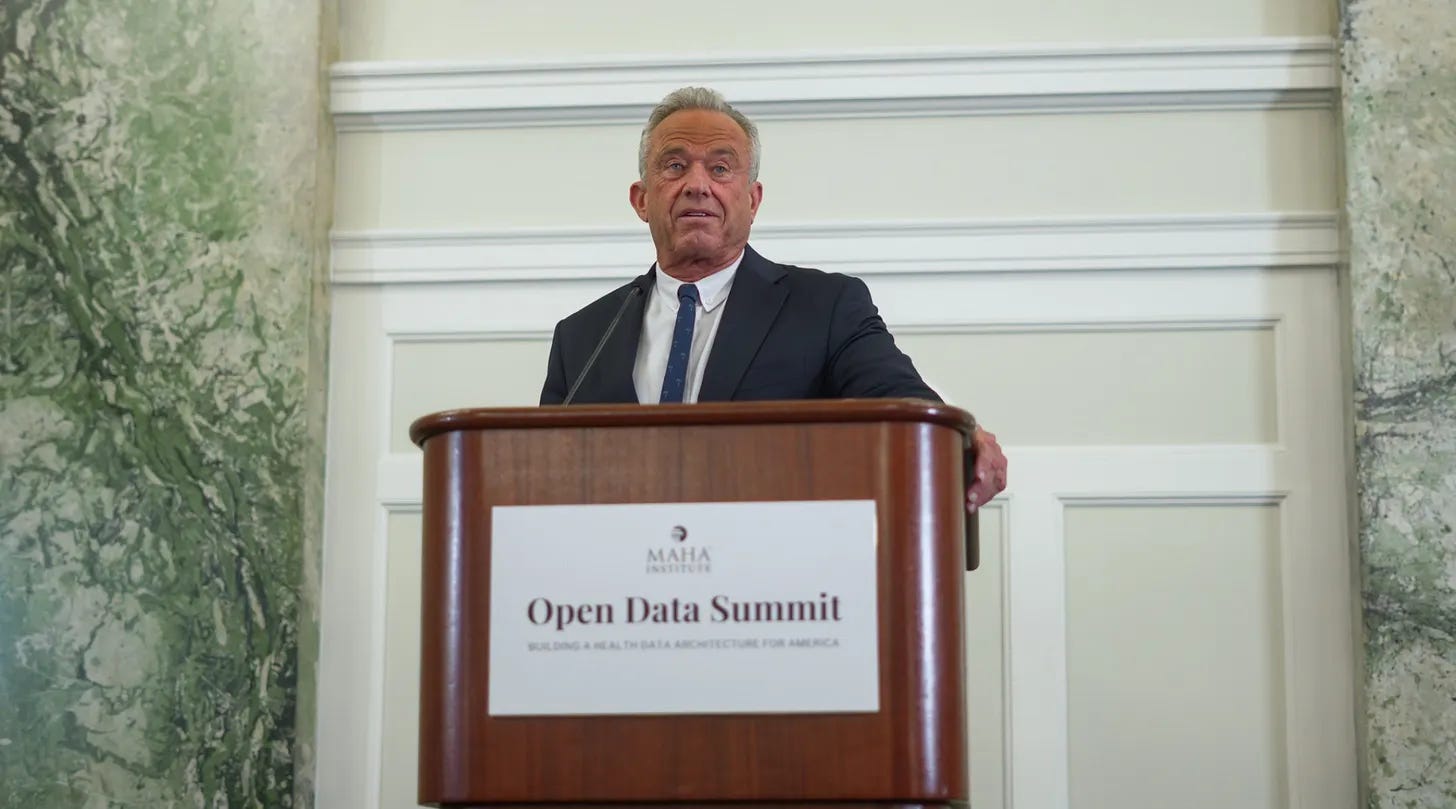
HHS Secretary Robert F. Kennedy Jr., who delivered the summit’s keynote remarks, called for health data to be made “research ready” and accessible to qualified outside researchers while protecting patient privacy.
Kennedy described the current health data system as “vertical,” with information trapped in separate institutions and stages of care, and argued that the goal should be to make it “horizontal”—connecting a person’s health data across their entire lifespan, from preconception through death, to create a complete longitudinal picture of individual health.

“We need to use America’s health data to determine whether the food we eat, the chemicals we encounter, the vaccines we are administered, and other environmental and lifestyle exposures are contributing in one way or another to the chronic disease epidemic,” Kennedy said.
He pointed to vaccine safety research, describing efforts to connect immunization records with clinical data, laboratory results, pharmacy information and insurance claims.
Kennedy also discussed the CDC’s Vaccine Safety Datalink, a system created in the 1990s using health data from participating Health Maintenance Organizations (HMOs). He lamented that such information is now spread across multiple organizations rather than in a single federal repository, creating barriers for independent researchers seeking to examine vaccine safety.
The goal, Kennedy said, is to use linked health data to compare outcomes and investigate potential relationships between vaccines and long-term health.
“We need Americans to be in control of their own health data,” Kennedy said. “Your medical records belong to you. You should be able to access them on your cell phone. You should be able to carry them with you. You should be able to share them with your doctor.”
For Kennedy, greater access to health data is ultimately about giving both patients and researchers the ability to examine the evidence for themselves.
“Follow the evidence wherever it leads,” Kennedy said.
States Take the Lead
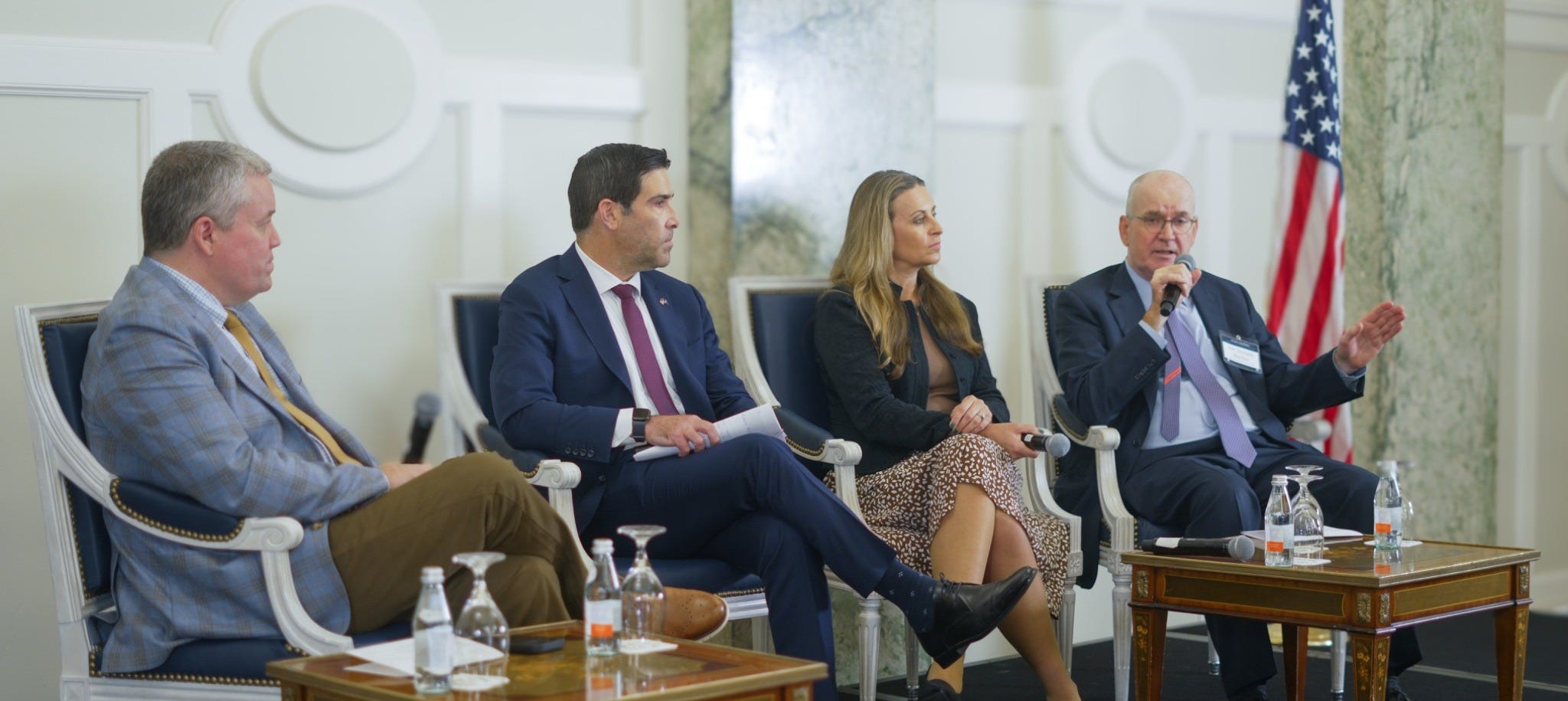
The final panel shifted the conversation from Washington to the states, where health information exchanges are already working to connect fragmented healthcare systems.
Dr. Jaime Bland, chief data strategist for the MAHA Institute, pointed to Nebraska as an example of what can happen when states treat health data as essential infrastructure. Nebraska’s investment in data governance has helped create a system where information can be shared across hospitals and providers.

Ben Tyrrell, CEO of Montana’s Big Sky Care Connect, said rural providers should not be at a disadvantage simply because they lack the resources of larger hospital systems.
“Access to data should not be the barrier to whether they can be successful,” Tyrrell said.
The panelists discussed health information exchanges as a possible bridge between state and federal systems, giving states a role in testing new approaches to data sharing, governance and AI before they are expanded more broadly.
As Bland put it, the goal is to make patients “the CEO of their own health care.”
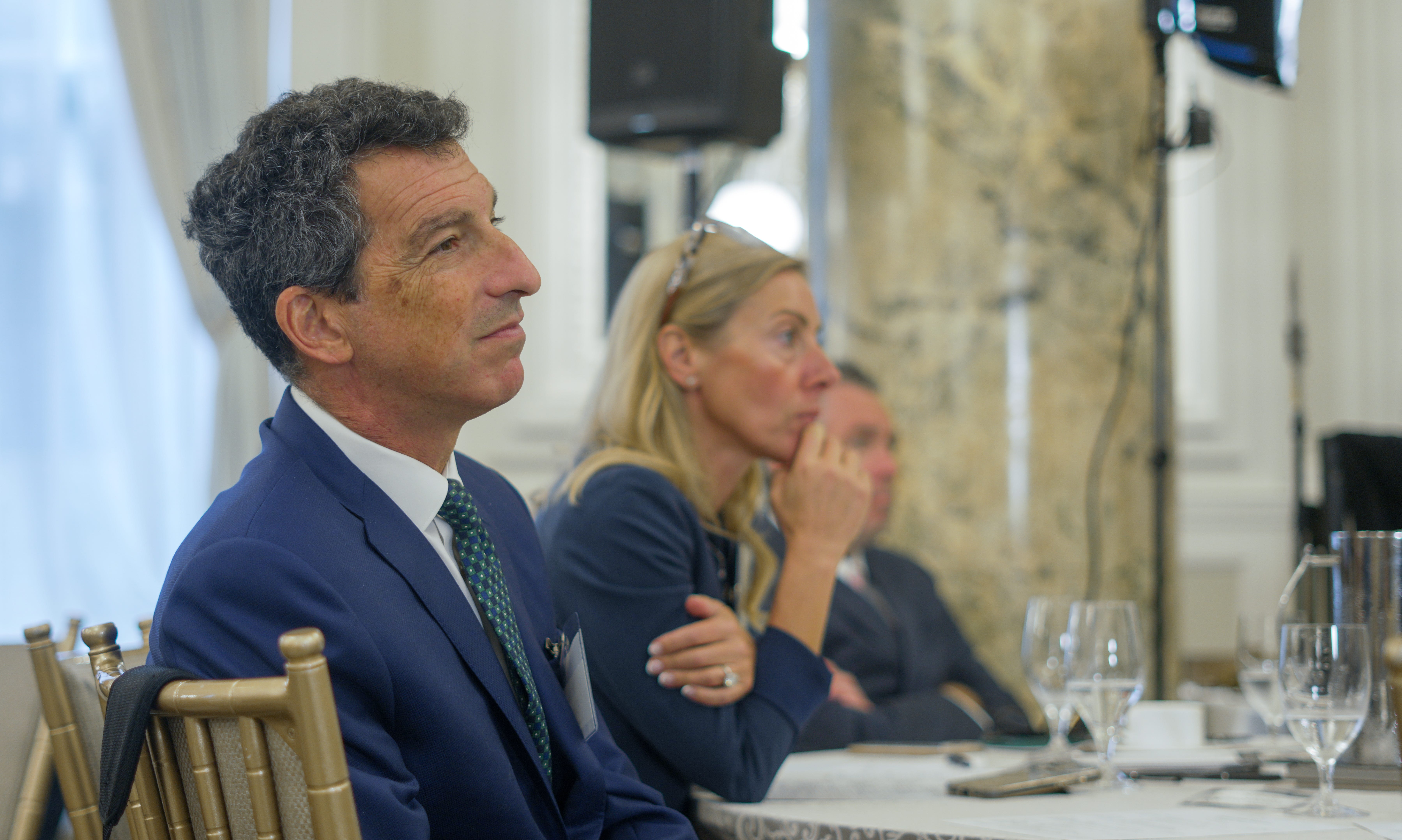
For his part, Gorton left the summit more optimistic than when he arrived, saying, “There are good people, there are good ideas, there’s an administration that wants to act – and there are states that want to act.”

It was more shameless corruption.
No one believes this - https://www.fastcompany.com/91616768/rfks-maha-summit-proves-maha-truly-is-just-maga-for-your-health