


On Tuesday, the U.S. Department of Health and Human Services (HHS) hosted the Live Real Life Symposium at the Hubert H. Humphrey Building in Washington, D.C., bringing together experts and advocates to rethink the culture, science, and legislation surrounding the harms of screen use among children and adolescents.
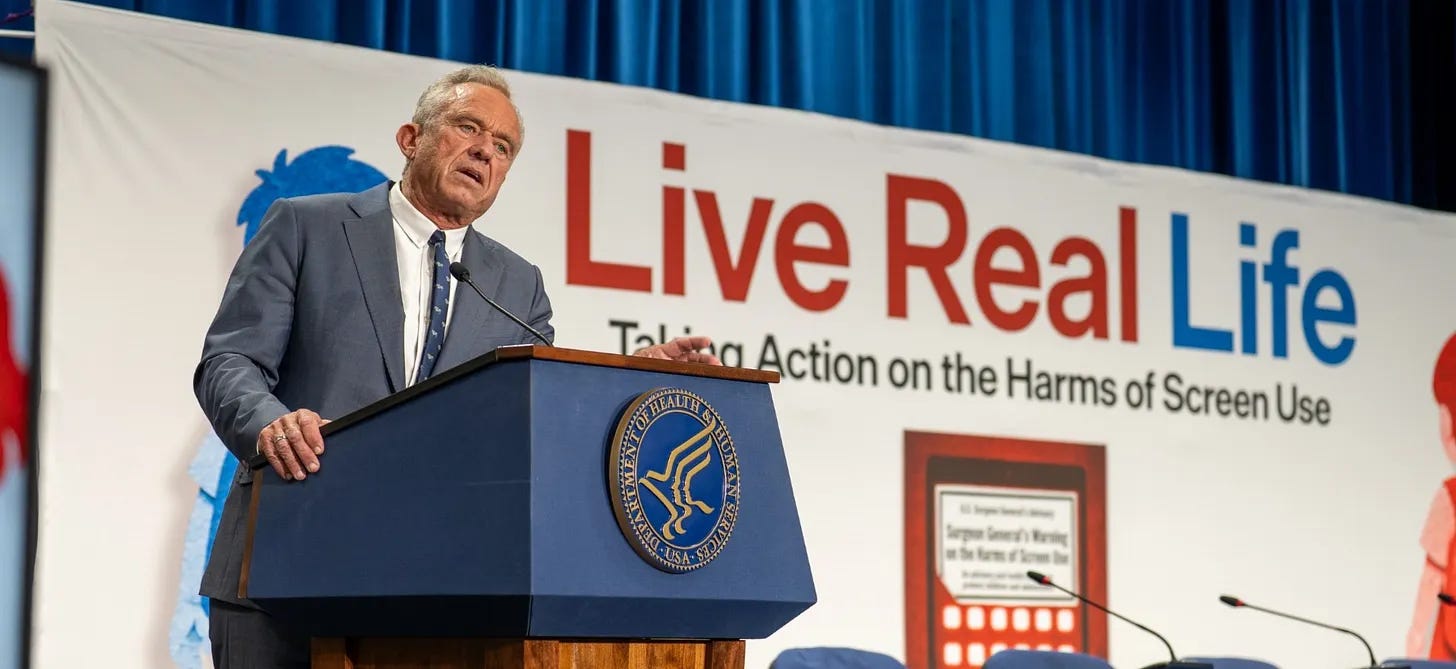
The symposium is part of a broader HHS Live Real Life campaign — to ensure children don’t squander away their childhood staring at their smart phones and laptops instead of enjoying what HHS Secretary Robert F. Kennedy Jr. called “unplugged play” in real environments.
The effects of excessive screen use may feel obvious to many families, yet institutions have been slow to establish meaningful guidelines around how much screen time is appropriate for children. On Tuesday, HHS took a step toward changing that.
“Our children get one childhood, and we cannot allow screens to replace the real-world experiences they need to grow and thrive,” Secretary Kennedy said. “Through the Office of the Surgeon General’s Live Real Life initiative, we are giving families practical tools to put technology in its proper place.”
The Harms of Screentime
Panelists outlined specific health impacts, including:
Mental Health: Excessive screen use has been linked to severe mental health risks in vulnerable youth, including a twofold increase in suicidal ideation, self-harm, anxiety, and depression.
Eye Health: A sharp rise in myopia (nearsightedness) linked to screen proximity and lack of outdoor light.
Neurological Factors: Increases in pediatric headaches and migraines
Safety Risks: Online exploitation, grooming, and tech-facilitated abuse targeting vulnerable youth.
Dr. Dimitri Christakis, Editor-in-Chief of JAMA Pediatrics, noted during a medical panel that passive sensor tracking shows the 95th percentile of teenage phone use reaches 12 hours a day, while the 85th percentile reaches 9 hours a day.
“There’s only so many hours in the day,” Christakis said. “If kids are spending nine or twelve hours a day on their phone, things are giving. Sleep is giving, focus in school is giving, real life outside of school is going away.”
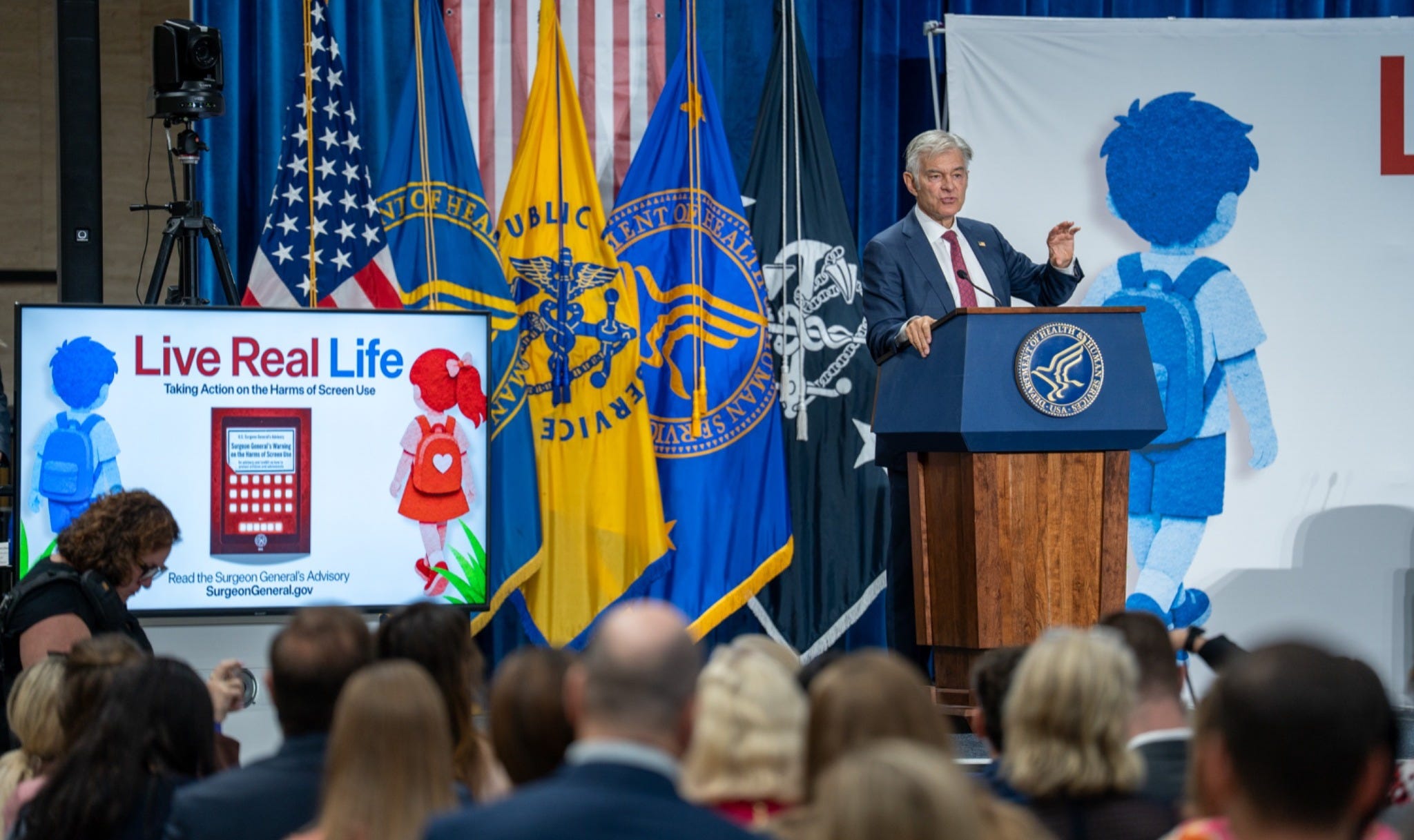
Centers for Medicare & Medicaid Services (CMS) Administrator Dr. Mehmet Oz pointed to the addictive nature of digital platforms, comparing screen habits to a loss of grounding that requires active replacement with real-world activity. Dr. Oz noted that getting just 20 minutes of daily exercise in the Medicare population could save the nation up to $100 billion, emphasizing that replacing passive screen time with real-world activity naturally drives healthier habits.
How the Initiative Addresses Harms

As part of the event, HHS unveiled The Magic Tablet, a new children’s book created by the Surgeon General’s office to
communicate the campaign’s principles through a story-based format. Printable versions were made available for families and communities at Surgeongeneral.gov.
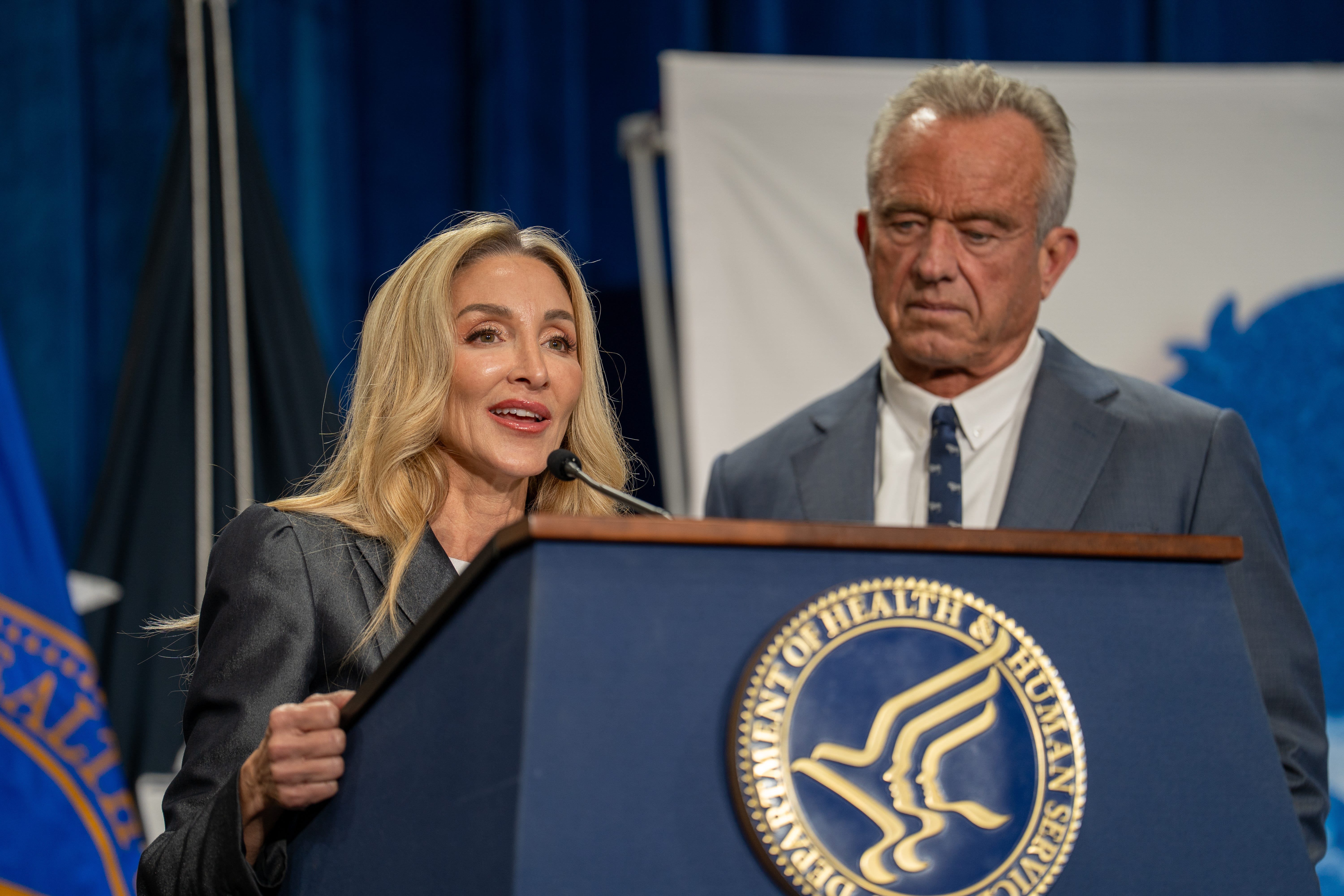
Dr. Stephanie Haridopolos, Director of National Health Communications for the Office of the Surgeon General and Principal Deputy Assistant Secretary for Health, called the campaign a crucial transition from evidence to practice.
“Technology has a place in our lives, but it should never come at the expense of our children’s health,” Haridopolos said. “Live Real Life is about turning that conversation into action and protecting the space for kids to simply be kids.”
The industry must change
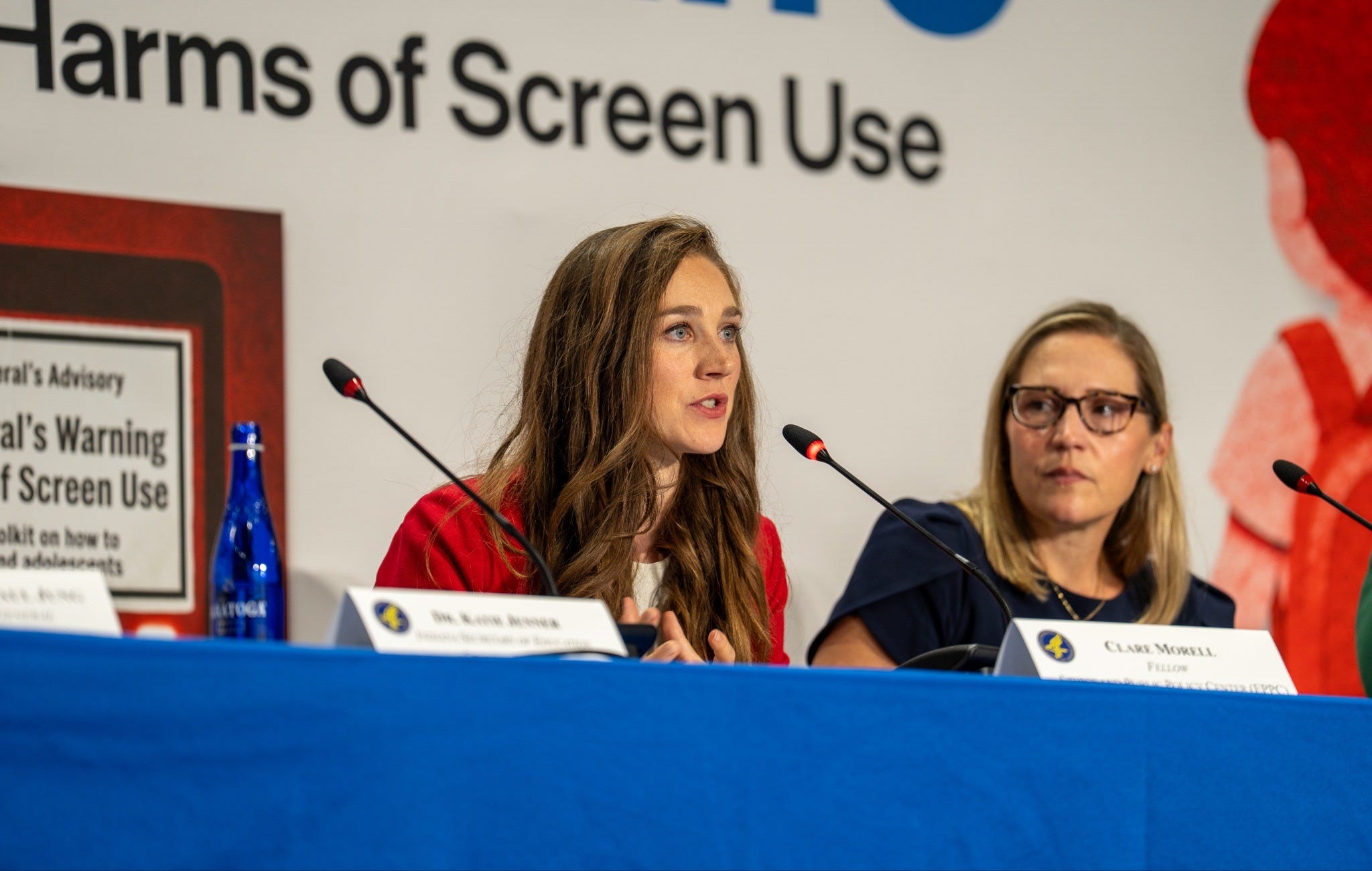
Clare Morell, a fellow at the Ethics and Public Policy Center and author of The Tech Exit, noted that individual parental effort often falls short without policy backup due to social pressure and algorithmic design.
“Leaving it up to parents alone isn’t working,” Morell said, pointing to negative group dynamics and broken parental control tools that fail to put families in charge of recommendation algorithms.
This reality was starkly underscored by Meta’s recent landmark $17.1 billion settlement across 47 states, D.C., and U.S. territories, which forced the tech giant to curb addictive design features, turn off night and school notifications, and restrict teen usage.
The presence of high-level tech representatives, including Meta’s VP and Global Head of Safety, Antigone Davis, and Snapchat’s Global Head of Platform Safety, Jacqueline Beauchere, shows that the meta lawsuit has put a fire under big tech. Their participation is just the beginning of building safer, non-addictive digital environments for children.
What’s Next?
NTIA Senior Advisor Matthew Plaster announced a September 15 evening listening session where parents and teachers can share feedback on technology in schools and the FCC’s E-Rate program.
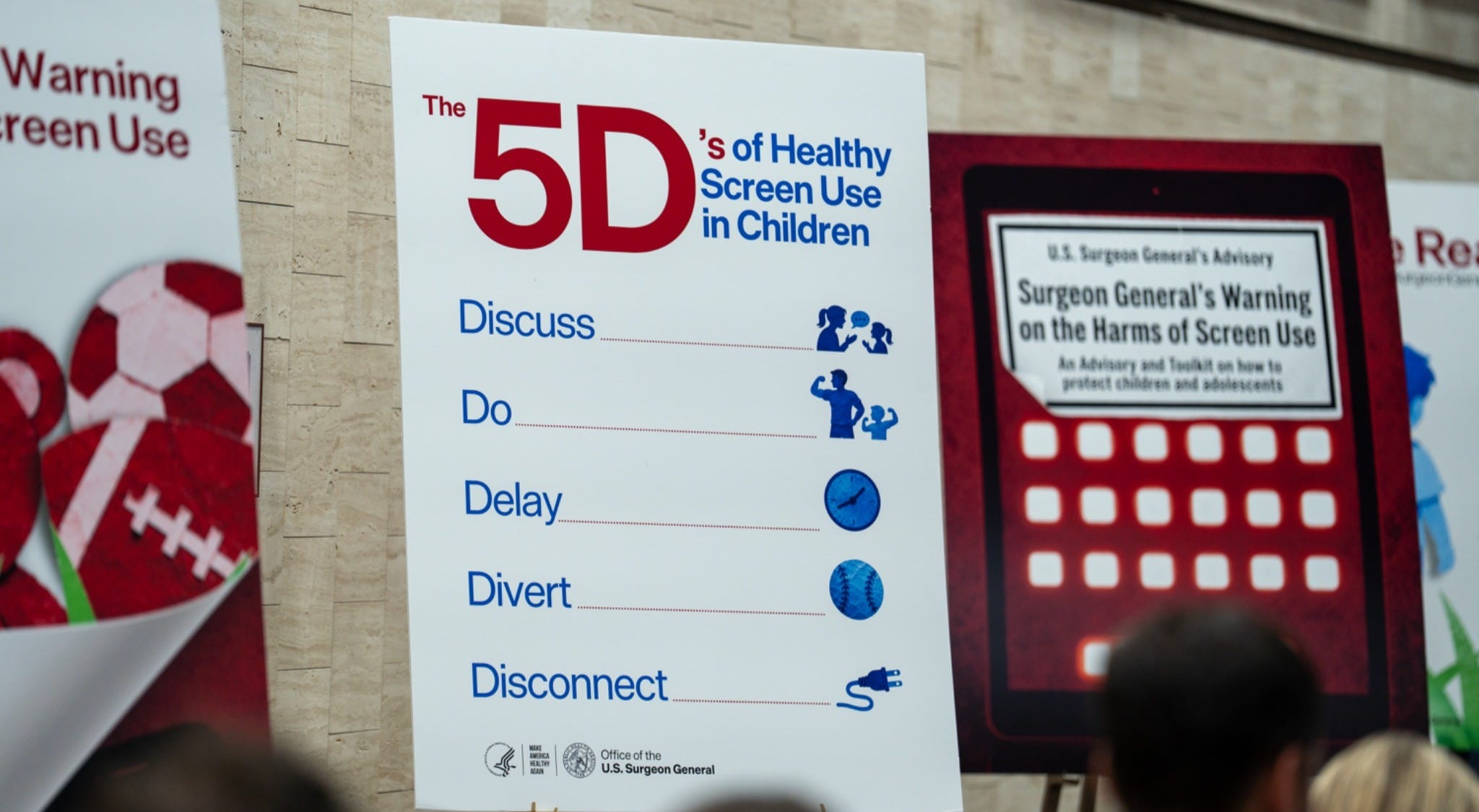
In his closing remarks, HHS Secretary Robert F. Kennedy Jr. dug a little deeper, addressing digital addiction in a broader defense of human nature, faith, and the American democratic spirit.
Reflecting on his own childhood spent roaming woods and creeks, Kennedy argued that unplugged play connects youth to thousands of generations of human history, instilling the character, resilience, and spiritual grounding that screens systematically strip away. He emphasized that true health and civic strength stem not from digital immersion, but from a tangible connection to nature and community, framing the defense of childhood as both a civic duty and a moral imperative.
As Kennedy warned, “It’s a tragedy if we deprive ourselves of those experiences, but it’s a sin if we deprive our children.”
Continued Kennedy, “Children now spend enormous amounts of their waking time in technology ecosystems. We need to take responsibility, and this agency is taking responsibility . . . to make sure our children get those experiences that prepare them for life.”
Shop our merch store to support the MAHA Report and the MAHA movement.
All proceeds go to supporting the cause.

Listening to Bobby wax poetic about his wholesome childhood is rich.
https://www.dailymail.com/news/article-3269576/How-Ethel-Kennedy-abandoned-son-Bobby-Jr-spiked-family-s-milk-laxative-turned-JFK-s-gay-best-friend-claimed-gave-President-oral-sex-surrogate-father.html