

By Garrett Pagel
On September 8, a town of barely 11,000 people in eastern Wisconsin achieved something very few places in the nation have. With a vote of 7-2, the city council agreed to stop adding fluoride to the city’s drinking water.
How did they do it? And how can you help your city replicate it?

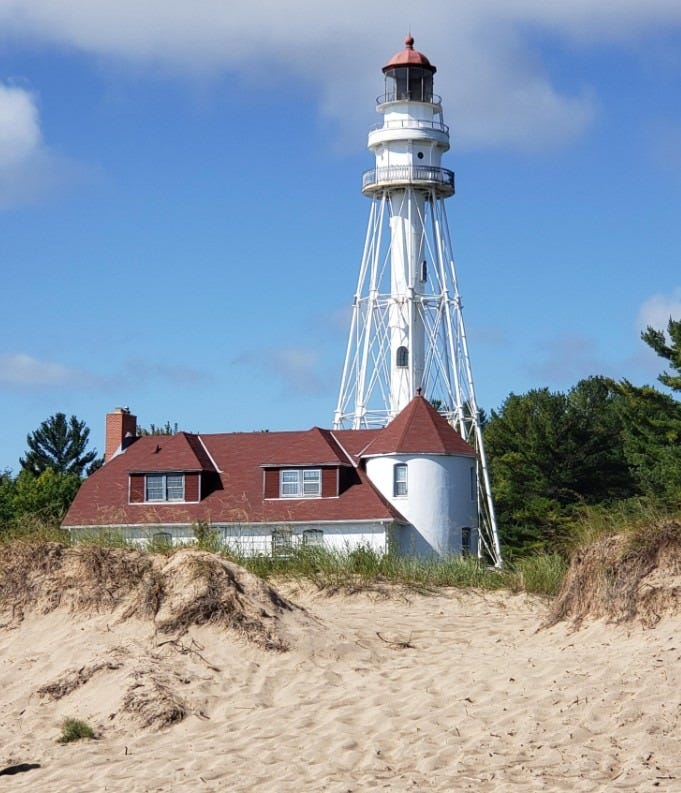
Two Rivers, Wisconsin, is a small fishing town on Lake Michigan, about 40 minutes southeast of Green Bay. Neshota Beach, the town’s main attraction in the summertime, is the best-rated beach in the state. Two Rivers is also the birthplace of the ice cream sundae. The surrounding area is rural and covered by farm fields and forests.
I grew up in Two Rivers and have lived here my whole life. I got involved in politics in college, and in 2024, went to work for Charlie Kirk’s Turning Point Action. In 2025, I joined the MAHA Action team as its political director.

On the morning of September 8, my wife was looking through her phone when she saw an article reporting that that very evening there would be a vote at the city council meeting on whether to continue to fluoridate the city’s drinking water. I immediately called my boss at MAHA Action and got approval to send out alerts to MAHA supporters in Wisconsin, urging them to get involved. Stand For Health Freedom also got involved and contacted their activists, urging them to make a stand. Later that night I attended the city council meeting along with more than 50 other residents. City council members commented that there were far more people there than usual and that a turnout of that size was rare for our small town.
For over an hour people shared stories and personal perspectives and spoke about their opposition to forced fluoridation. The room applauded every time another person spoke.
Residents gave a number of reasons for stopping the fluoridation of the city’s water.
Comments included: “Fluoride cannot be purchased individually without a prescription” and “I believe your constituents would rather get their medications prescribed by a physician, not politicians.” One lone resident testified in favor of fluoride, saying she believed fluoride was a benefit of being on the city water system.
During the city council’s discussion of the issue, one city council member said he thought it should be moved to a city-wide vote, ultimately trying to postpone the decision and push it further down the road.
Another member, Adam Wachowski, wanted the council to act.
“We explored fluoride ingestibles and found you need a prescription,” he said. “That should be another reason to stop putting it in the water.”
Another council member, who was in favor of the city continuing to fluoridate the water, compared fluoride to lead.
“We ingest lead throughout our day from root vegetables to the stanley water cups to lunchables,” said Shannon Derby.
Once the discussion wrapped up, the roll call vote started. One by one the members cast their votes and the room anxiously waited for the final tally. Not even halfway through the vote it became obvious that the proposal to stop adding fluoride to the water was going to pass. Once the words “the motion carries” were heard, the room exploaded with applause as residents stood up to clap and cheer.
The residents of Two Rivers, starting this October, will no longer have fluoride in their drinking water.
Since 1995, a total of 80 Wisconsin communities have stopped fluoridation. In the most recent wave starting in 2024, at least nine Wisconsin municipalities removed fluoride from their drinking water. In 2025 and 2026, the issue continued to percolate, with at least 14 communities voting to end fluoridation. Not every vote has gone this way.
In 2025, the city of Wisconsin Rapids, in central Wisconsin, voted to continue to fluoridate the city’s drinking water. That same year, the fluoride issue made national headlines.
In April of 2025, HHS Secretary Robert F. Kennedy Jr. announced plans to direct the CDC to stop recommending community water fluoridation nationwide. HHS also convened a new independent task force to study fluoride and issue updated recommendations. Also, the CDC’s Division of Oral Health, the office that managed fluoridation programs and grants, was eliminated as part of the agency’s restructuring. The EPA even issued a scientific review of ‘new scientific information’ on potential health risks of fluoride in drinking water.
What does the science say? In September of 2024, a federal judge in the U.S. District Court for the Northern District of California ruled in favor of plaintiffs, finding that water fluoridation at the current U.S. level of 0.7 milligrams per liter poses an unreasonable risk of injury to public health under the Toxic Substances Control Act. The findings showed that fluoride at that level poses a risk of reduced IQ in children. Other studies have come to the same conclusion. Fluoride has been classified as a developmental neurotoxin in peer-reviewed scientific literature, and that classification is supported by substantial federal research.
People in towns across America can mobilize to get fluoride out of their water just as we did in Two Rivers, Wisconsin. Often all it takes to get a city council to put the issue on the agenda is a little nudge from their constituents. And as few as a dozen people showing up at a local meeting and speaking out about fluoride’s potential harms can make enough difference to persuade a local government to stop fluoridation.
If you want to bring these types of changes to your city, get involved with MAHA Action, where a network of health freedom-minded people is growing rapidly, everyday.
Garrett Pagel is the political director at MAHA Action. He lives with his wife and their infant daughter in Two Rivers, Wisconsin.
Tremendous win 👍
Not smart. Fluoride can reduce cavities and strengthen developing teeth. As a pediatrician, I think you should all be very, very ashamed of this stunt!