

By Amy Sapola, PharmD, Contributor, The MAHA Report
On Wednesday, February 25, Dr. Casey Means, President Trump’s nominee for Surgeon General, calmly defended her record during an at times testy two-and-a-half-hour confirmation hearing in front of the politically divided United States Senate Committee on Health, Education, Labor, and Pensions (HELP).
Even though several Democratic Senators sought to rattle her, Dr. Means stuck to a script that aligns squarely with the Make America Healthy Again movement: she spoke of the need to shift our nation from reactive “sick care” to proactive, root-cause prevention.
In opening remarks, Dr. Means elaborated on the problem. “Nearly 150 million Americans are on federal healthcare programs, and we spend $50 billion per year on research. Yet outcomes are worsening, and disparities are widening. Our nation is angry, exhausted, and hurting from preventable diseases.”
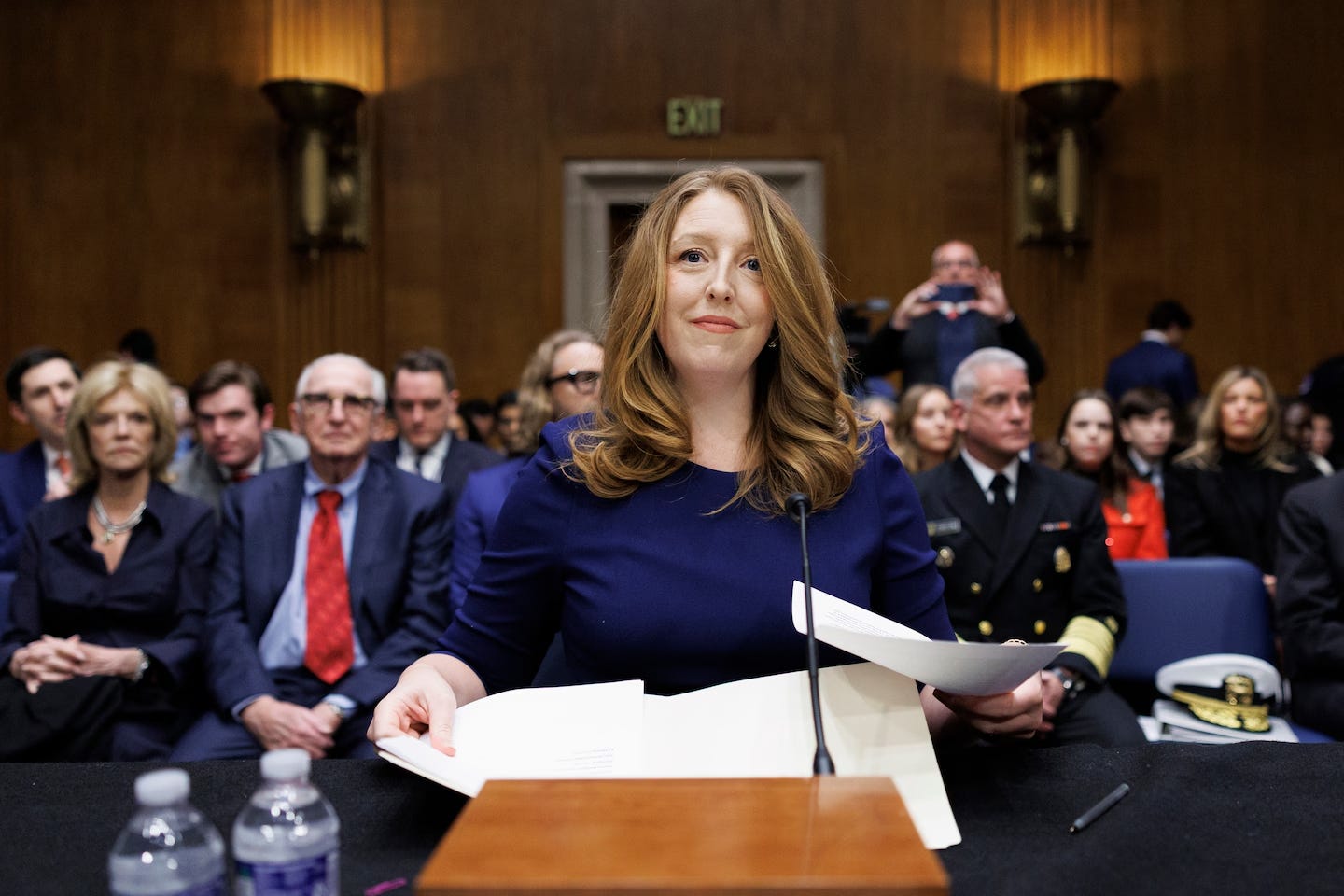
She continued, “This public health crisis is touching every American family. It is robbing our children of possibility, our workforce of productivity, and our nation of security. It strains our federal budget and dims hope for millions. We must confront this epidemic through a vision grounded in science, dignity, shared humanity, and a respect for freedom, not politicization and division. Public health leaders must address the evidence-based, modifiable drivers of chronic diseases, which include ultra-processed foods, industrial chemical exposure, lack of physical activity, chronic stress, loneliness, and over-medicalization. I’ve been asked to help our nation get healthy and answer the call of millions, especially mothers, who are begging for transparency and support. That is what I’m here to do.”
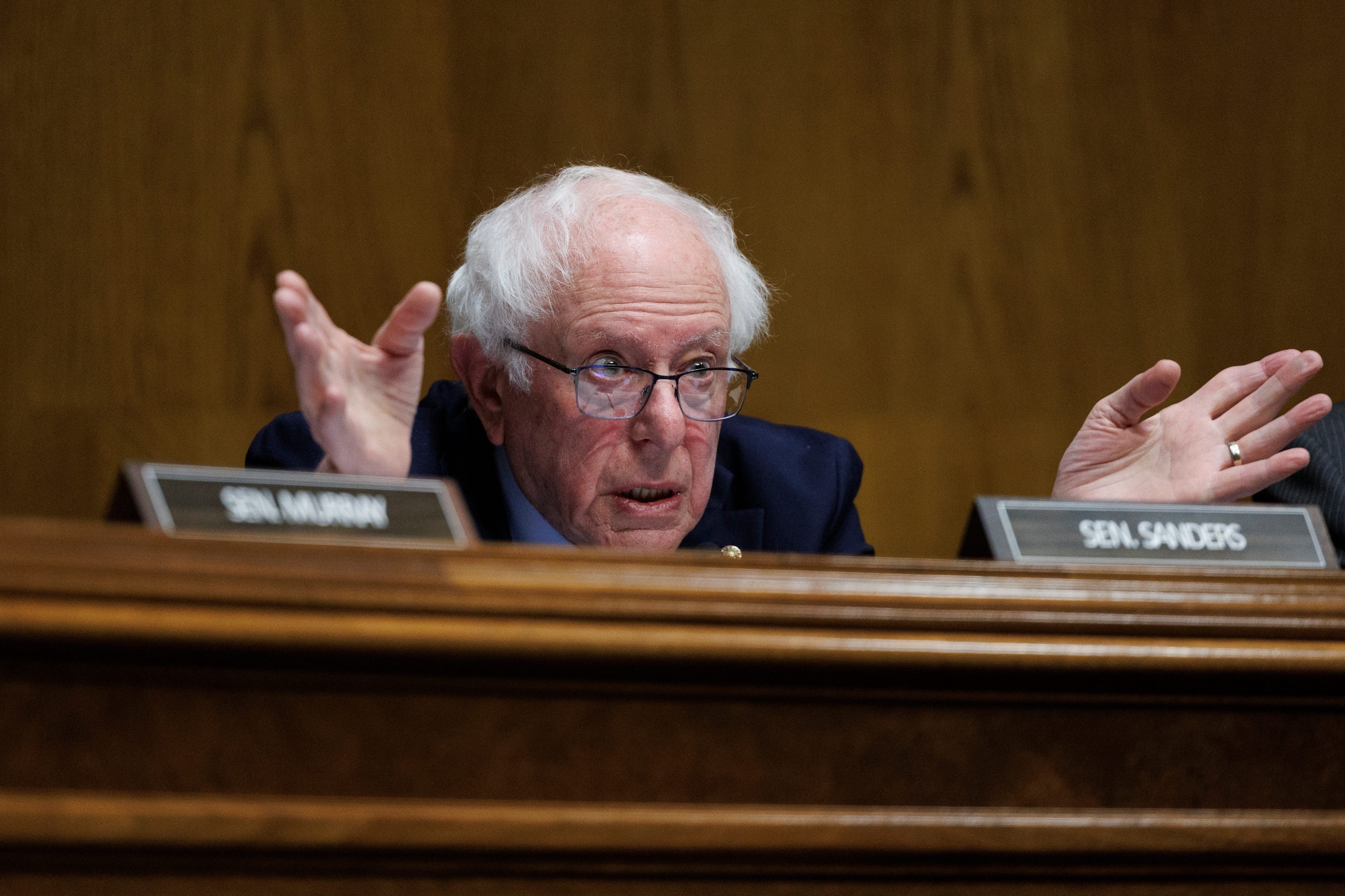
Unfazed by partisan show-boating during the hearing, Dr. Means told the committee what many members already know: America is facing an unprecedented chronic disease crisis, we spend more on healthcare than any other nation, and the current system is not delivering the outcomes Americans deserve.
Dr. Means appeared before the committee not only as a physician, but also as a mother. Her hearing was originally scheduled for October, but just five hours before it was set to begin, she went into labor. The Senate postponed the proceeding to accommodate the birth of Means’ son, Phoenix.
Now, as a new mother with her family seated proudly behind her, she testified through the dual lens of clinician and parent, speaking about public health policy and also on the kind of country her son and his generation will inherit. “As I sit here in the early months of motherhood, I feel profound awe at the privilege we have as adults to create a better world for future generations,” Dr. Means said. “And that is why I’m here.”

That perspective was palpable.
If confirmed, Dr. Means will become only the fourth woman in history to serve as U.S. Surgeon General—a milestone in itself—but her candidacy represents more than symbolism. Throughout her career, she has been a vocal advocate for women’s and children’s health, highlighting rising infertility, metabolic dysfunction in young women, childhood obesity, and the mental health crisis affecting adolescents. Her work has consistently emphasized empowering women with evidence-based information about hormones, nutrition, environmental exposures, and metabolic health, while advocating for earlier intervention to protect children from preventable chronic disease. Her nomination signals not just a shift toward prevention, but also an elevation of the health of the next generation
The next step in the confirmation process is procedural but significant. Senators can now submit written questions for the record. Once those questions are reviewed and answered, the HELP Committee, which leans Republican by a one person margin, will vote on whether to move Dr. Means’ nomination to the full Senate. If favorable, the nomination will go to the Senate floor, where a majority vote is needed for confirmation. If she secures the majority, Dr. Means will be sworn in as Surgeon General and assume leadership of the U.S. Public Health Service Commissioned Corps, officially becoming America’s doctor.
A National Emergency Hiding in Plain Sight
During the hearing, multiple senators from both sides of the political divide, acknowledged the scope of America’s health crisis. Nearly eight in ten adults live with at least one chronic disease. One in three adolescents has pre-diabetes. Childhood obesity, autoimmune conditions, infertility, dementia, autism, depression, and metabolic dysfunction are rising at alarming rates.

Dr. Means did not downplay the severity of our situation: “We are now the most chronically ill, high-income nation in the world.”
The clearest through-line of the hearing was metabolic dysfunction, an area for which Dr. Means holds deep passion. She’s the co-founder of Levels Health and author of the best-selling book Good Energy.
Dr. Means underscored that the majority of American adults show at least one biomarker of metabolic dysfunction—insulin resistance, elevated triglycerides, fatty liver markers—conditions that underlie dementia, cardiovascular disease, type 2 diabetes, and infertility, which all drive healthcare spending.
Dr. Means views health through the lens of systems biology, which represents a paradigm shift from siloed subspecialty care to root-cause medicine.
The hearing also turned to two interconnected pillars of the MAHA vision: youth mental health and environmental exposure. Dr. Means expressed concern about the mental health impact of social media and excessive screen time on children, signaling openness to further study and to provide stronger public health guidance. At the same time, she emphasized the need for deeper, more transparent research into cumulative chemical exposures in food, water, and air, including reform of the “Generally Recognized as Safe” (GRAS) pathway that has allowed thousands of food additives into the marketplace with limited oversight.

When questioned about pesticides and agricultural policy, Dr. Means acknowledged that American farmers are in a tough spot, but she remained consistent in her core message: chronic disease cannot be detached from environmental context. She highlighted regenerative agriculture as a constructive path forward, one that reduces reliance on toxic inputs while strengthening long-term soil health and farm resilience. By pointing to federal investment in regenerative practices, she underscored a positive shift toward aligning environmental stewardship, food quality, and disease prevention as an integrated strategy that reflects the long-term MAHA commitment to restoring health from the soil up.
Tensions spiked when Senators dove into vaccines and pharmaceutical policy. Dr. Means affirmed that vaccines save lives and are an essential component of public health, while also emphasizing the need for continued research into vaccine safety and schedules, informed consent, and shared decision-making.
A Cultural Inflection Point
What stood out most was not the partisan sparring, but the cultural shift.

Metabolic dysfunction is now being discussed in Senate hearings. Ultra-processed foods are being named directly. Soil health is being linked to human health. Environmental exposures are being treated as serious contributors to chronic disease. This is an incredible moment and what so many of us in the MAHA movement have been working towards.
Fifteen years ago, these conversations were fringe. Today, they’re front and center – where they belong.
I am in my 70s and happened to read Good Energy, which motivated me to lose 20 lbs. I am at my college weight for the first time in fifty years. Yes, Dr. Means may have promoted some products in which she had a financial interest; I really do not care. She is very knowledgeable and an outstanding communicator. We all know that we should eat vegetables...what Dr Means does in her book is explain exactly WHY, at the cellular level. that is beneficial; and why fake food robs us of that nutrition and harms our systems. I am a grateful supporter; and I am baffled by the animosity generated herein.
Doctor Means did a brilliant job emphasizing proven biological health concepts to the narrow-minded politicians who seem to be constantly trying to politically divide this country.
I understand why Dr Means said vaccines save lives.. but do they really? Vaccines do not fit in with the biological model of good health. I suspect that continued independent research into vaccine safety will confirm they are more detrimentalto human health then they're alleged benefits